When I first walked into a showroom three years ago and saw rustic wood-look tile flooring, I was instantly captivated but also skeptical. Could tile really capture the warmth and character of reclaimed barn wood while offering the durability I needed for my high-traffic family home? After months of research and now two years of living with these floors throughout my main living areas, I can confidently say that rustic wood look tile exceeded every expectation I had.
The authentic grain patterns, varied plank widths, and weathered textures fool even my closest friends into thinking we installed actual reclaimed hardwood. But unlike real wood, these floors handle my kids’ spills, the dog’s muddy paws, and daily chaos without showing a single sign of damage or wear.
Selecting the Perfect Rustic Wood Species and Color
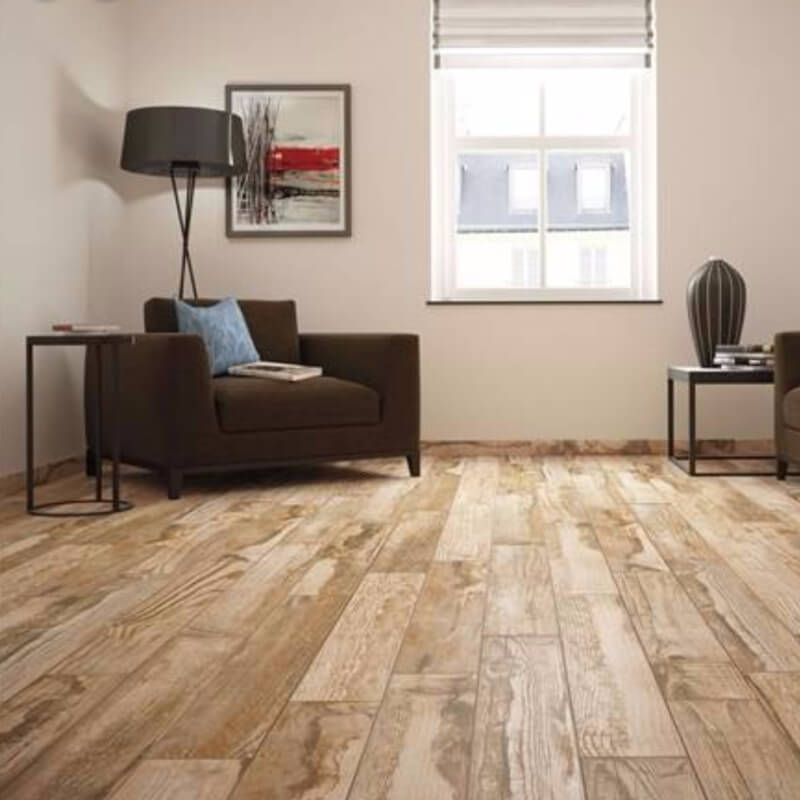
Choosing the right wood species look for my tile proved more challenging than selecting actual hardwood because the options seemed endless. I spent weeks comparing samples of distressed oak, weathered pine, reclaimed chestnut, and aged hickory patterns. Each species offered different grain patterns, knot characteristics, and aging effects that dramatically changed the overall feel of my space. I ultimately chose a weathered barnwood oak pattern because it provided the perfect balance of rustic character without being too dark or overwhelming for my open-concept living area.
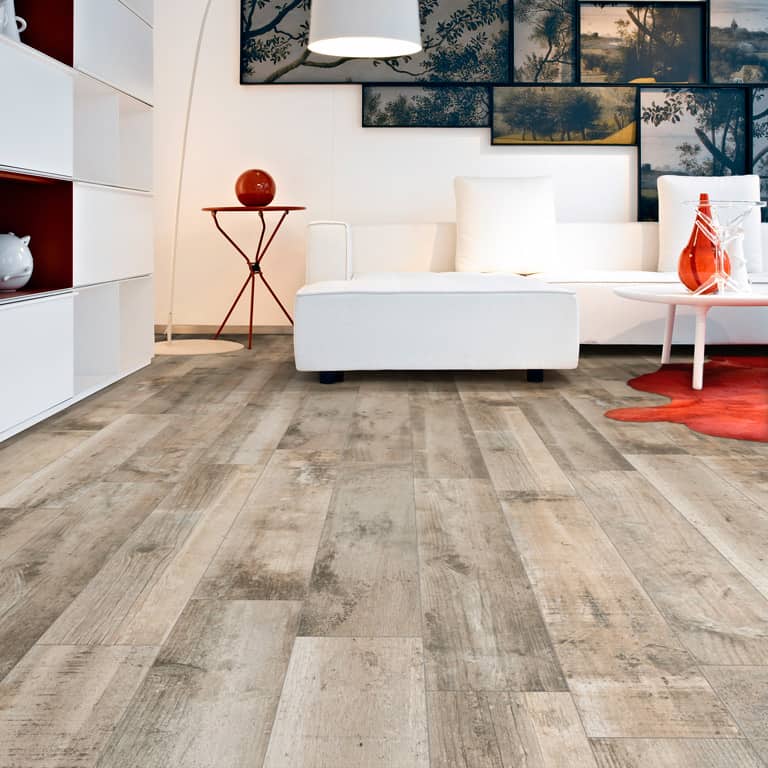
The color variations within each plank were crucial to achieving an authentic rustic appearance. Unlike uniform wood-look tiles that can appear artificial, the best rustic options feature multiple tones within each plank, ranging from light honey to deep espresso browns. I selected tiles that included grey undertones and subtle white-washed areas that mimicked the natural weathering process of aged barn wood. These color variations create depth and visual interest that makes the floor appear naturally aged rather than manufactured.
I learned that lighting plays a huge role in how rustic wood look tiles appear throughout the day. The samples I initially loved under showroom lighting looked completely different in my home’s natural light conditions. I brought home large samples and lived with them for two weeks, observing how morning sunlight, afternoon shadows, and evening artificial lighting affected their appearance. This patience during selection paid off tremendously because the final result looks absolutely perfect in all lighting conditions throughout our home.
Understanding Tile Construction and Quality Differences
The construction quality of wood-look tiles varies dramatically between manufacturers, and I quickly learned that not all options are created equal. Premium tiles use high-definition printing technology and multiple layers of color that create incredibly realistic wood grain patterns and texture variations. I could actually feel the raised grain lines and subtle plank imperfections on the best tiles, while cheaper alternatives felt flat and looked obviously artificial. Investing in quality construction made all the difference in achieving the authentic rustic appearance I wanted.
Tile thickness was another important consideration I hadn’t anticipated when starting my research. Standard ceramic tiles felt flimsy and hollow underfoot, while thicker porcelain options provided the substantial feel I expected from flooring. I chose 10mm thick tiles that felt solid when walking on them, similar to actual hardwood planks. The extra thickness also allowed for deeper texture impressions that enhanced the realistic appearance and tactile experience of the rustic wood grain patterns.
The wear layer and surface treatment significantly impacted both the durability and appearance of my wood look tiles. I selected tiles with a textured surface that not only looked more authentic but also provided better slip resistance than smooth alternatives. The surface treatment included subtle sheen variations that mimicked the natural variation in wood finish, from slightly glossy heartwood areas to more matte sapwood sections. This attention to detail in manufacturing created the convincing rustic wood appearance that continues to impress visitors to our home.

Installation Techniques That Enhance the Rustic Look
Proper installation technique proved crucial for achieving a convincing rustic wood appearance with my tile flooring. My installer emphasized the importance of mixing tiles from different boxes throughout the installation to ensure color and pattern variations were distributed naturally across the room. We also used different plank lengths within the same product line to create the random, organic appearance of salvaged barn wood rather than the uniform look of manufactured flooring materials.
The layout pattern significantly impacted the final rustic aesthetic of my floors. Instead of a predictable running bond pattern, we used a random offset layout that varied the stagger distance between planks. This created the irregular, naturally worn appearance of old farmhouse floors where planks were replaced and repaired over decades of use. The random pattern also helped minimize any repetitive tile patterns that might make the installation look obviously manufactured rather than authentically rustic.
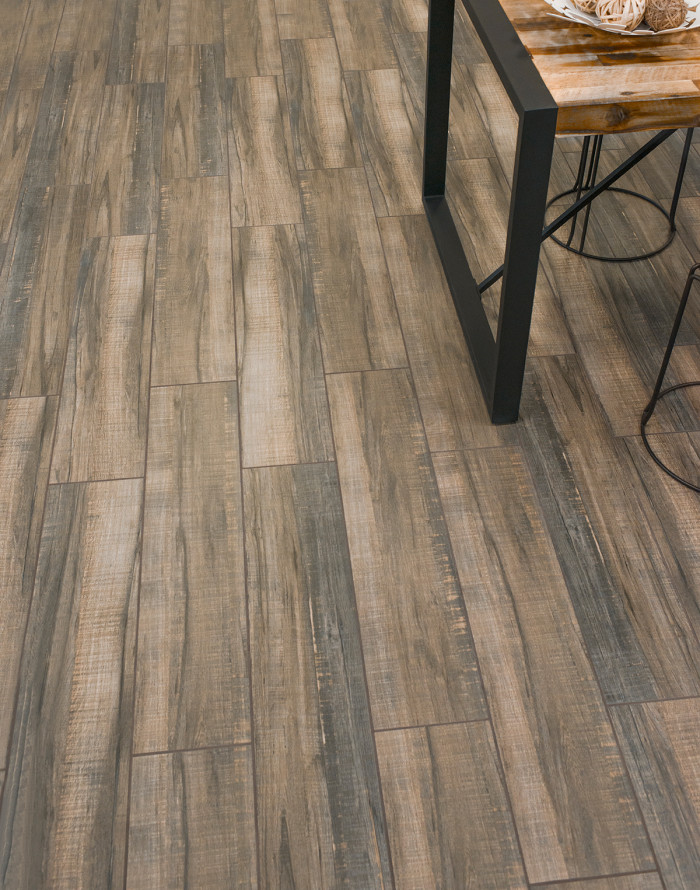
Grout selection and installation were critical details that could make or break the realistic wood appearance. We used a grout color that closely matched the darkest tones in the tile to create subtle plank separation without obvious grout lines that would destroy the wood illusion. The grout lines were kept as narrow as possible while still providing necessary expansion space, and excess grout was carefully cleaned from tile surfaces to maintain the smooth wood plank appearance throughout the installation process.

Mixing Plank Sizes for Authentic Character
Creating authentic rustic character required using multiple plank widths and lengths rather than uniform tile sizes. I chose a combination of 6-inch, 8-inch, and 10-inch wide planks in varying lengths from 24 to 48 inches. This mix mimicked the irregular dimensions of reclaimed barn wood where planks were cut from whatever lumber was available. The varied widths created visual interest and broke up any repetitive patterns that might make the installation appear too manufactured or predictable.
The installation pattern for mixed plank sizes required careful planning to achieve natural randomness without creating awkward transitions or obvious repetitive sequences. My installer created a layout plan that distributed the different widths evenly throughout each room while avoiding predictable patterns like alternating wide and narrow planks. We also ensured that plank joints were staggered irregularly, just as they would appear in genuine reclaimed wood flooring installations from different eras and sources.
The transition areas between rooms provided opportunities to enhance the rustic character through thoughtful plank placement and direction changes. Instead of running all planks in the same direction throughout the house, we changed directions in certain areas to mimic how old farmhouses might have been floored room by room over time. These directional changes also helped define different living spaces within our open floor plan while maintaining the cohesive rustic aesthetic throughout the entire installation.
Maintenance Reality: Easier Than Expected
Living with rustic wood look tile flooring has been remarkably low-maintenance compared to the hardwood floors I previously owned. Daily cleaning consists of sweeping or vacuuming to remove dirt and debris, followed by damp mopping when needed. Unlike real wood that requires special cleaners and careful moisture control, these tiles handle standard floor cleaners without any risk of damage or discoloration. I no longer worry about water rings from plant pots or spills from my coffee mug leaving permanent marks on the floor.
The durability has exceeded my expectations after two years of heavy use from our family of five, plus two large dogs. High-traffic areas show absolutely no signs of wear, scratching, or fading despite constant foot traffic and occasional furniture moving. The rustic texture and color variations actually help camouflage minor scratches or scuffs that do occur, though I’ve noticed very few even when looking closely. This forgiving nature makes the floors perfect for busy family life, where perfection isn’t always possible.
Deep cleaning is straightforward and doesn’t require special equipment or expensive products like hardwood floors demand. I use a standard mop and neutral pH cleaner for weekly deep cleaning, and the floors look as good as new every time. The grout lines require minimal attention thanks to the color-matched grout that doesn’t show dirt easily. Occasional steam cleaning refreshes the entire surface and removes any stubborn stains or buildup, but this is rarely necessary with normal maintenance routines.
Cost Analysis: Investment vs. Value
The initial cost of quality rustic wood look tile was higher than I initially budgeted, but significantly less than authentic reclaimed hardwood flooring. I paid approximately $8 per square foot for premium porcelain tiles compared to $15-20 per square foot for genuine reclaimed barn wood flooring. When factoring in installation costs, the tile option saved me thousands of dollars while providing superior durability and moisture resistance that real wood couldn’t match in our climate and lifestyle.
Long-term cost considerations strongly favored tile over hardwood flooring for our situation. Real wood floors would require periodic refinishing, potential replacement of damaged planks, and careful climate control to prevent warping or splitting. My tile floors will likely last decades without needing replacement or major maintenance beyond routine cleaning. The elimination of refinishing costs, special cleaning products, and potential water damage repairs makes tile significantly more economical over time.
The resale value impact was an important consideration that influenced my decision to invest in premium quality tiles rather than budget alternatives. High-quality wood-look tile appeals to potential buyers who want the appearance of hardwood without the maintenance concerns, especially in areas prone to moisture or heavy use. The authentic appearance and durability of quality tiles can actually enhance home value more than lower-grade hardwood that shows wear or requires immediate refinishing upon sale.

How realistic do rustic wood look tiles actually appear compared to real wood?
The realism amazes even me daily after two years of living with them. Guests consistently ask about our “beautiful hardwood floors” and are shocked when I tell them they’re tile. Quality tiles replicate grain patterns, knots, and color variations so accurately that you need to look closely to tell the difference. The texture feels authentic underfoot, and the visual depth matches real wood perfectly. Only touching the grout lines gives away that they’re tiles.
Are wood look tiles slippery, especially when wet?
The textured surface of quality rustic wood look tiles provides excellent traction, even when slightly wet. The grain texture and surface treatment create a natural grip that feels safer than smooth hardwood floors. I’ve never had slipping issues, even with wet dog paws or minor spills. However, standing water should still be cleaned promptly, just as you would with any flooring material for safety and maintenance reasons.
How do these tiles hold up to furniture legs and heavy appliances?
The durability has been outstanding with heavy furniture and appliances. Unlike hardwood that dents and scratches, quality porcelain tiles resist damage from furniture legs, dropped items, and appliance movement. I use furniture pads more for protecting the items themselves than the floor. Even our heavy piano hasn’t caused any indentations or cracks. The industrial-strength construction handles household wear much better than traditional wood flooring.
Can you install radiant heating under wood look tiles?
Yes, and it works beautifully! We installed electric radiant heating mats under our tiles, and they provide wonderfully warm floors during the winter months. Tile conducts and retains heat much better than hardwood, creating consistent, comfortable temperatures. The heating doesn’t affect the tile’s appearance or integrity at all. Just ensure your installer follows manufacturer guidelines for heating system compatibility and maximum temperature limits.

What’s the biggest maintenance difference between these tiles and real hardwood?
The maintenance is dramatically easier than hardwood. No refinishing, no special cleaners, no worry about water damage or humidity levels. I can mop with regular cleaners, don’t stress about spills, and never need professional maintenance. Real hardwood requires annual deep cleaning, periodic refinishing, and constant vigilance about moisture. With tiles, I simply sweep and mop as needed without any special care or expensive treatments.
Do the grout lines detract from the wood appearance?
When installed properly with color-matched grout and narrow lines, the grout actually enhances realism by mimicking natural plank separation. We used grout that matches the darker tones in the tile, making lines barely visible unless you’re looking for them. The key is professional installation with consistent, narrow spacing and proper cleanup. Poor grout work can destroy the illusion, but quality installation makes grout lines virtually disappear into the overall wood appearance.
Wood Grain Look Tile Flooring – FREE Samples Available at BuildDirect®
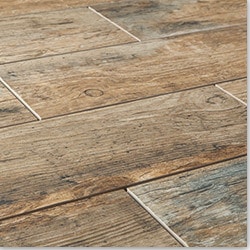
Wood Look Tile: Pros and Cons, Cost, Best Brands

Reclaimed wood look ceramic floor tile

Rustic Wood Looking Tile Floor – Rustic – Living Room – Los
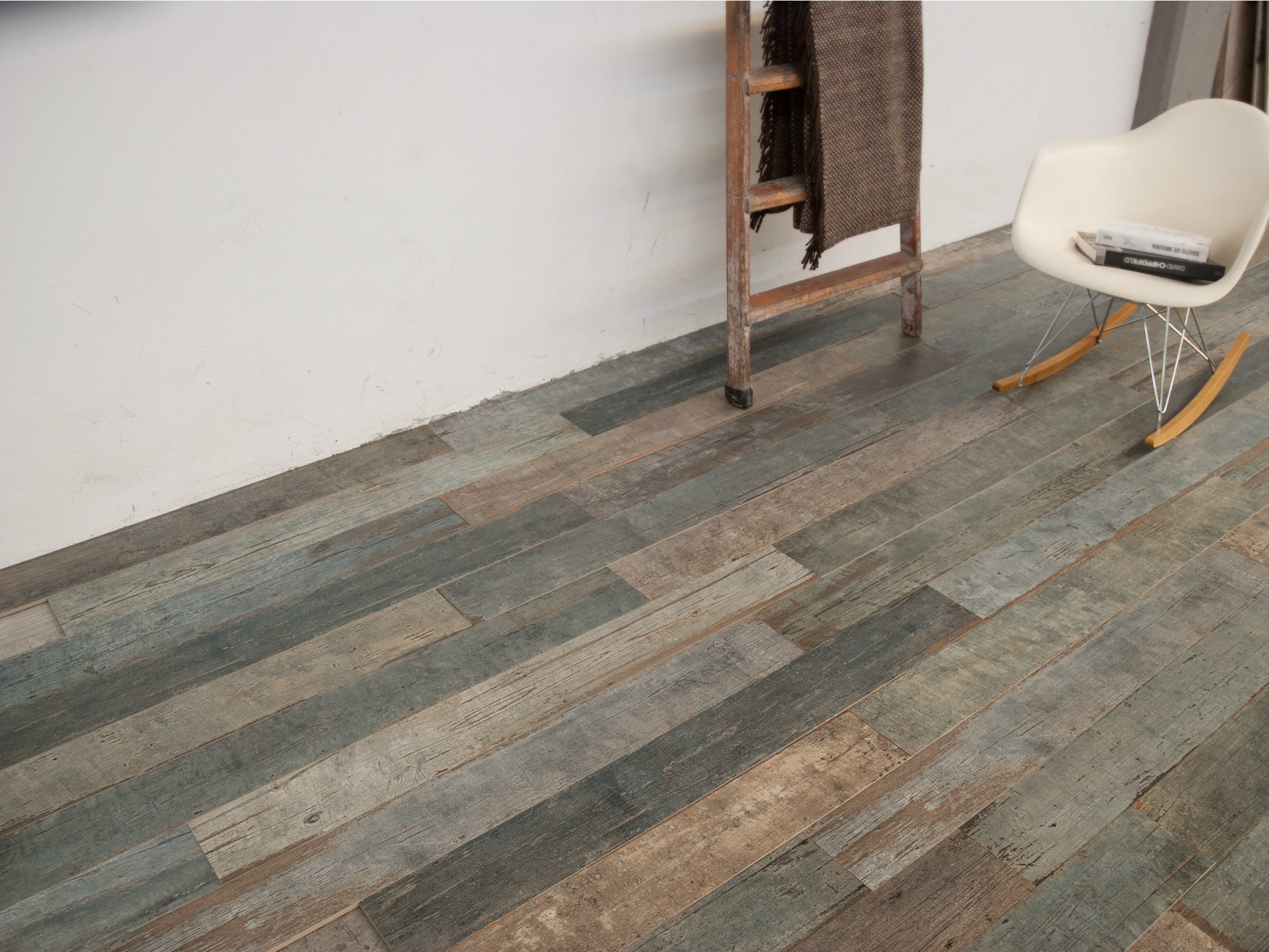
Wood Look Tile Floor & Decor
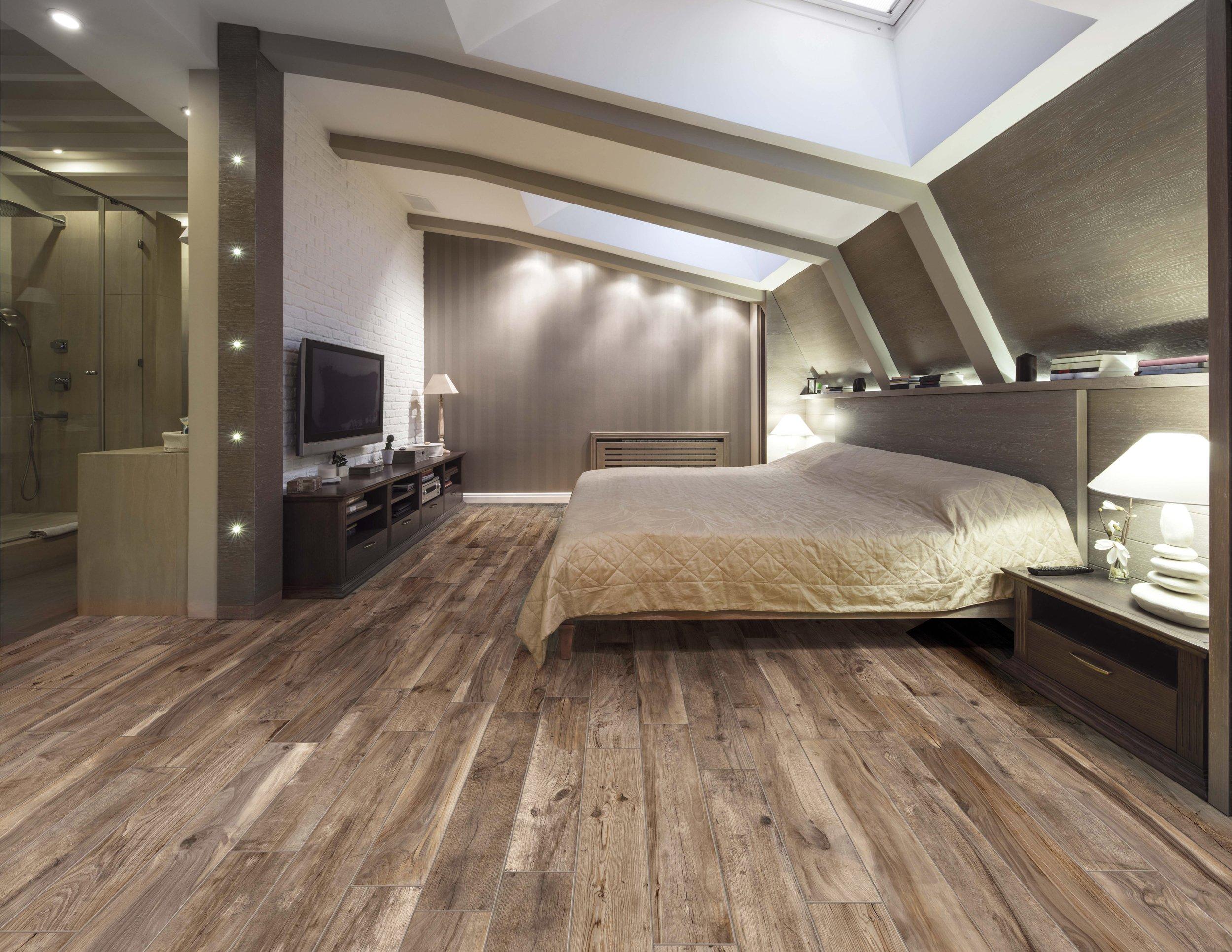
Related articles: