When I started researching flooring options for my mid-century modern home renovation, I kept coming across references to cork flooring’s popularity in the 1950s and ’60s. My grandmother had cork floors in her kitchen, and I remember how warm and soft they felt under my feet as a child.
That memory sparked my interest in bringing this vintage material back into my own home. After installing cork floors in my kitchen and home office, I’ve become a passionate advocate for this sustainable, comfortable, and surprisingly stylish flooring option. Let me share everything I learned about choosing, installing, and living with vintage-style cork floors.
The History and Appeal of Cork Flooring
Cork flooring had its heyday in mid-century homes, particularly during the 1950s and 60s when homeowners appreciated its comfort, warmth, and modern aesthetic. I discovered that cork was harvested sustainably even back then, stripped from cork oak trees without harming them. The trees regenerate their bark, making cork one of the earliest renewable flooring materials. This historical sustainability angle appealed to my values as much as the vintage aesthetic appealed to my design sensibilities.
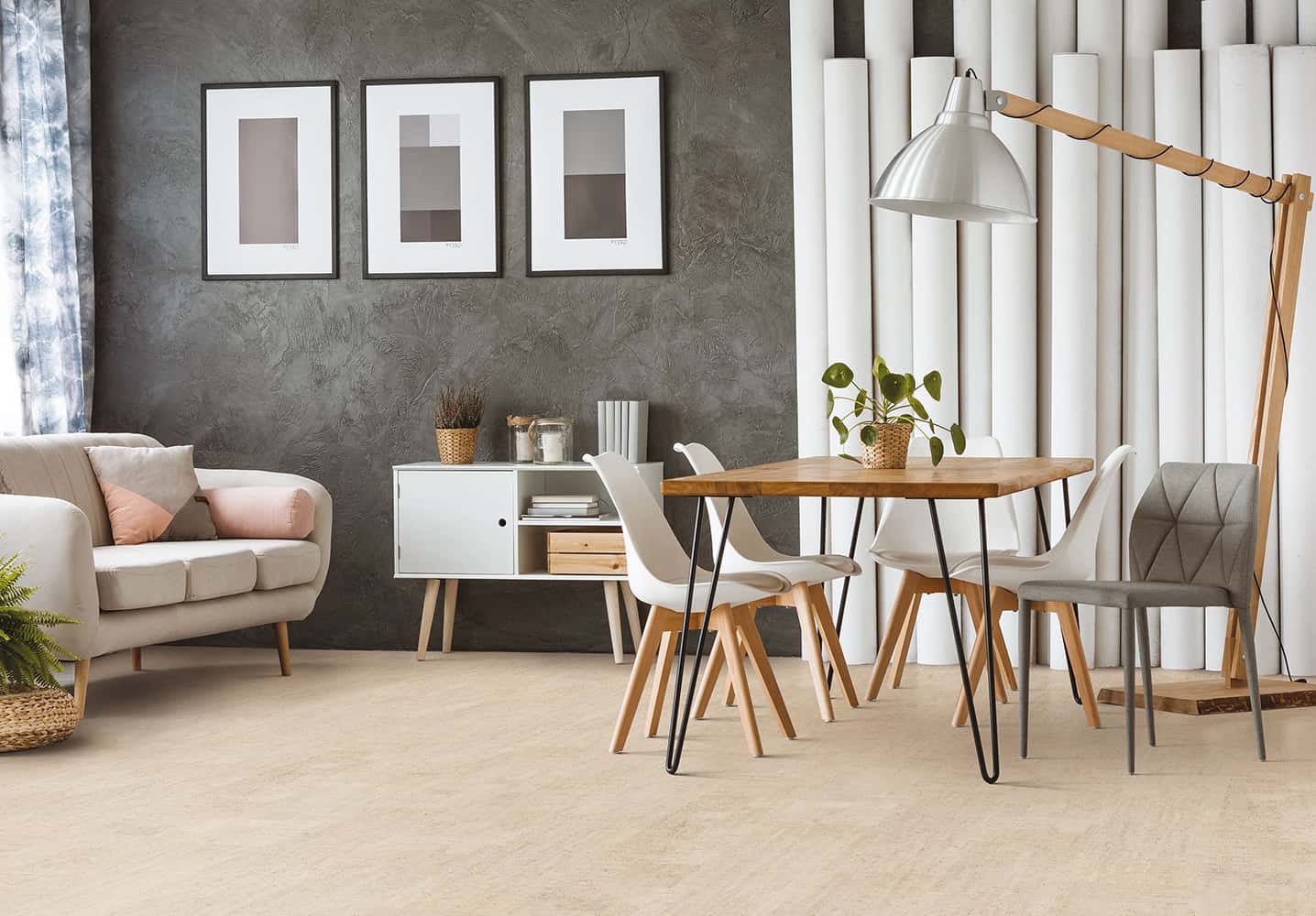
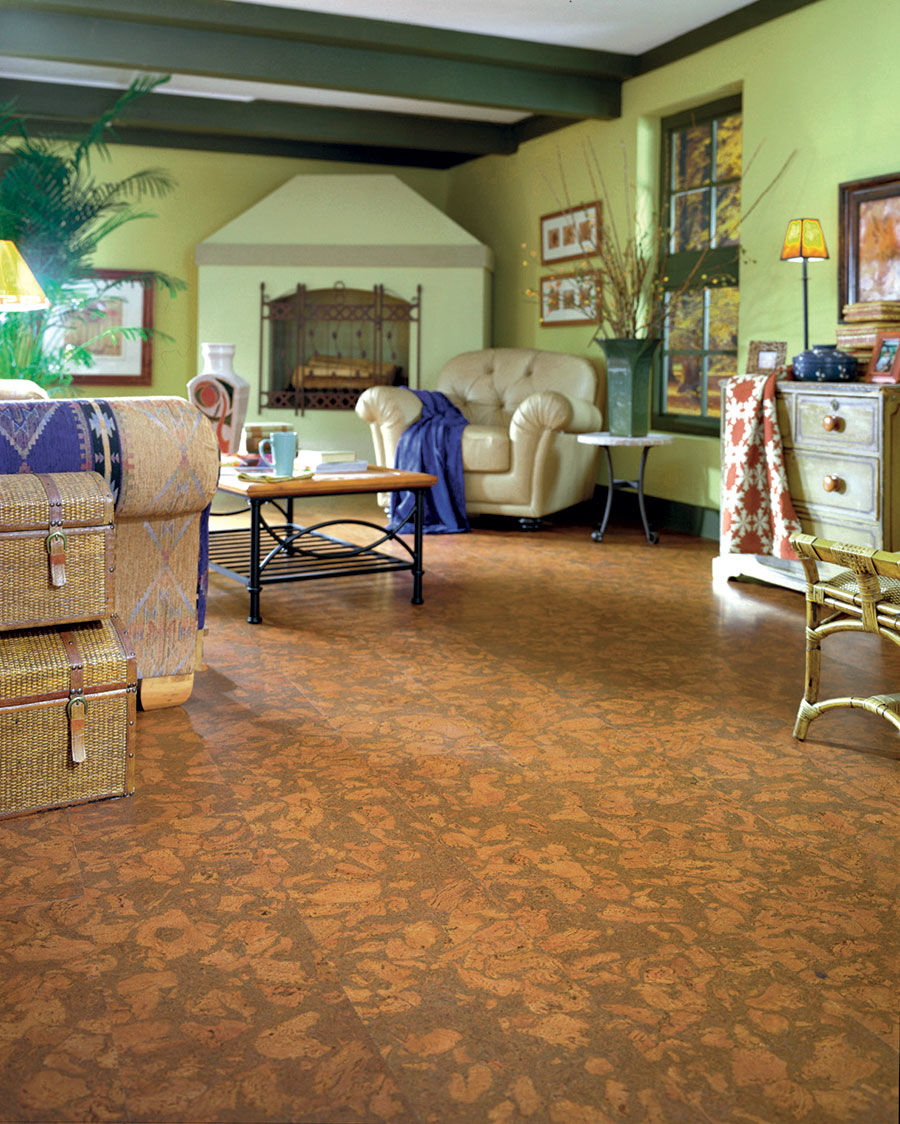
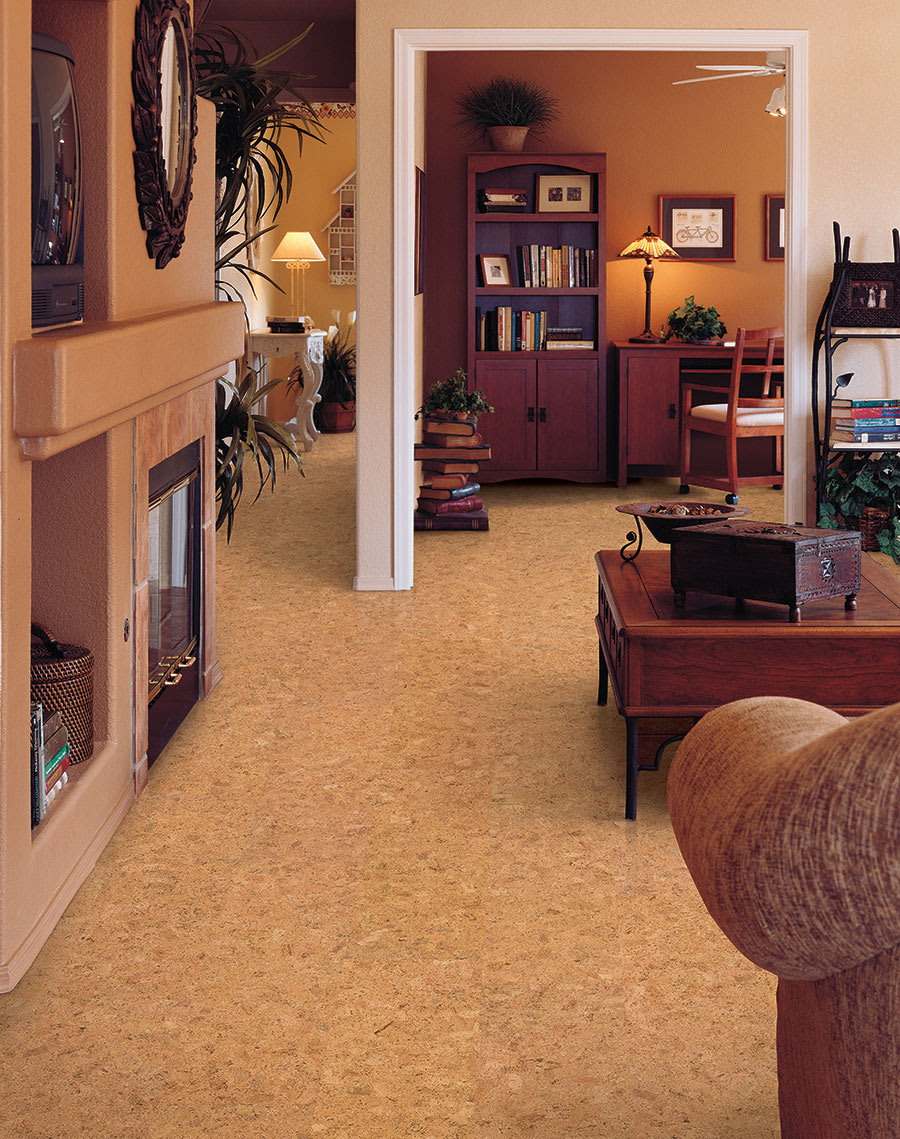
What drew me most was the cork’s unique texture and appearance. Vintage cork floors have a distinctive mottled pattern with natural variations in color and texture that you simply don’t see in modern laminate or vinyl. The surface has depth and character, with darker and lighter areas creating organic visual interest. Looking at photos of original mid-century cork installations, I loved how the floors developed a beautiful patina over decades of use.
The comfort factor sealed the deal for me. Cork is naturally cushioned because of its cellular structure, millions of tiny air pockets that make it springy and warm underfoot. After spending years on hard tile and wood floors, the idea of a softer surface that would be easier on my joints during long cooking sessions or work days really appealed. I also learned that cork has natural acoustic properties that dampen sound, perfect for my home office where I’m on video calls frequently.
Choosing Between Vintage Original and Reproduction Cork
I had to decide whether to hunt for authentic vintage cork tiles or choose modern reproductions designed to capture that retro aesthetic. Original vintage cork from the 1950s-70s occasionally shows up at architectural salvage yards, but finding enough in good condition to floor even a small room proved nearly impossible. I visited three salvage yards and found only scattered boxes with mismatched colors and significant damage.
I ultimately chose reproduction cork tiles specifically designed to mimic vintage patterns and colors. Several manufacturers now make cork that references mid-century aesthetics, with the natural mottling and warm honey tones that characterized period installations. My tiles are 12×12 inches, a classic size used in vintage applications. The cork comes pre-finished with polyurethane, unlike the original vintage cork, which required on-site sealing.
The reproduction route cost about $5 per square foot for quality cork tiles, which felt reasonable compared to hardwood at $8-15 per square foot. If I’d found enough authentic vintage cork, it might have cost less per tile but would have required extensive restoration, cleaning, and custom sealing. The new cork also came with manufacturer warranties and consistent quality, eliminating the gamble of working with 50-70 year old materials that might have hidden damage or degradation.
Installation Process and Techniques
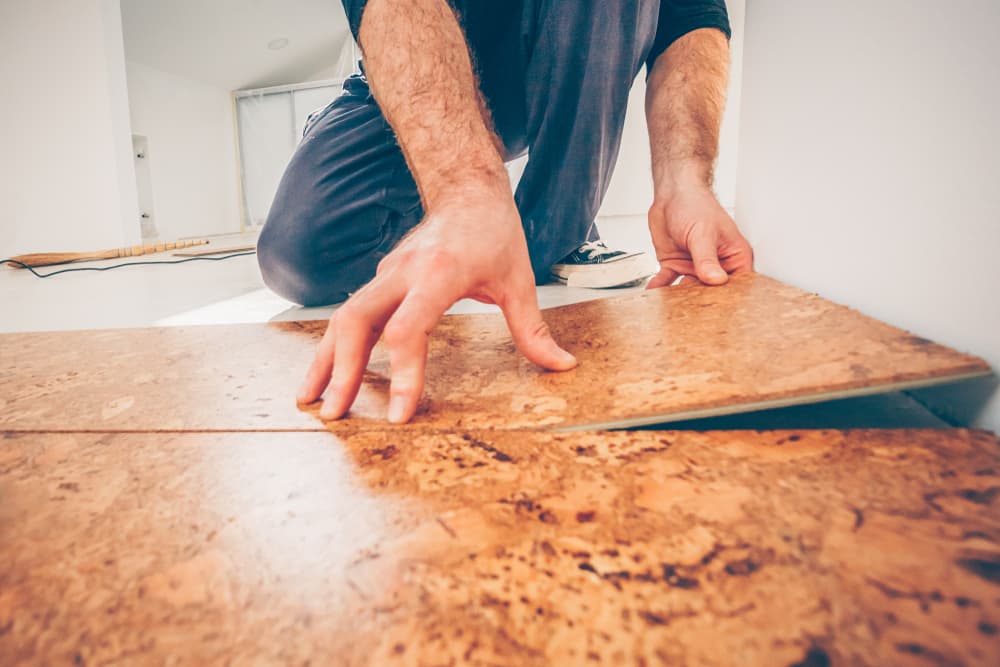
I decided to install the cork flooring myself after watching tutorial videos and consulting with a flooring specialist. The process was manageable for someone with basic DIY skills, though it required patience and precision. I started by ensuring my subfloor was perfectly level and smooth, filling any low spots and sanding down high areas. Cork is forgiving but still shows major imperfections, so proper preparation was crucial.
I used a high-quality flooring adhesive specifically formulated for cork, spreading it with a notched trowel. Working in small sections, I carefully placed each tile and rolled it with a heavy floor roller to ensure complete adhesive contact. The key was working methodically and not rushing. I installed my 120-square-foot kitchen over three days, allowing adequate drying time between sections. The tiles needed to acclimate to my home’s temperature and humidity for 48 hours before installation, important for preventing expansion or contraction issues.
Cutting cork tiles was straightforward with a sharp utility knife and a straight edge. I scored deeply and snapped the tiles, then cleaned up edges as needed. Around cabinets and doorways, I created paper templates first to ensure accurate cuts. The most challenging part was maintaining straight lines and consistent spacing, but I used spacers and frequently checked my work with a level and measuring tape. After installation, I let the floor cure for 72 hours before walking on it and a full week before moving furniture back.

Sealing and Finishing for Durability
Even though my reproduction cork tiles came pre-finished, I added two additional coats of water-based polyurethane for extra protection. This decision proved wise, given how much traffic my kitchen floor sees. I used a lambswool applicator to spread thin, even coats, allowing 4-6 hours drying time between applications. The additional sealing created a more durable surface that’s held up beautifully to daily wear.
The sealing process requires attention to detail but isn’t complicated. I lightly sanded between coats with 220-grit sandpaper to ensure good adhesion, then wiped away all dust with a tack cloth. Working in good ventilation was essential; I opened windows and used fans. The water-based polyurethane dried faster than oil-based options and had much less odor, important since I was living in the house during the project.
I learned that cork floors need resealing every 3-5 years, depending on traffic levels. This maintenance requirement initially concerned me, but after living with the floors for two years, I see it as a reasonable trade-off for the comfort and sustainability. The resealing process will be simple, just a light sanding and fresh polyurethane coats. This renewable aspect means my floors can last decades if properly maintained, much longer than vinyl or laminate, which can’t be refinished when they wear out.
Living With Cork Floors Daily
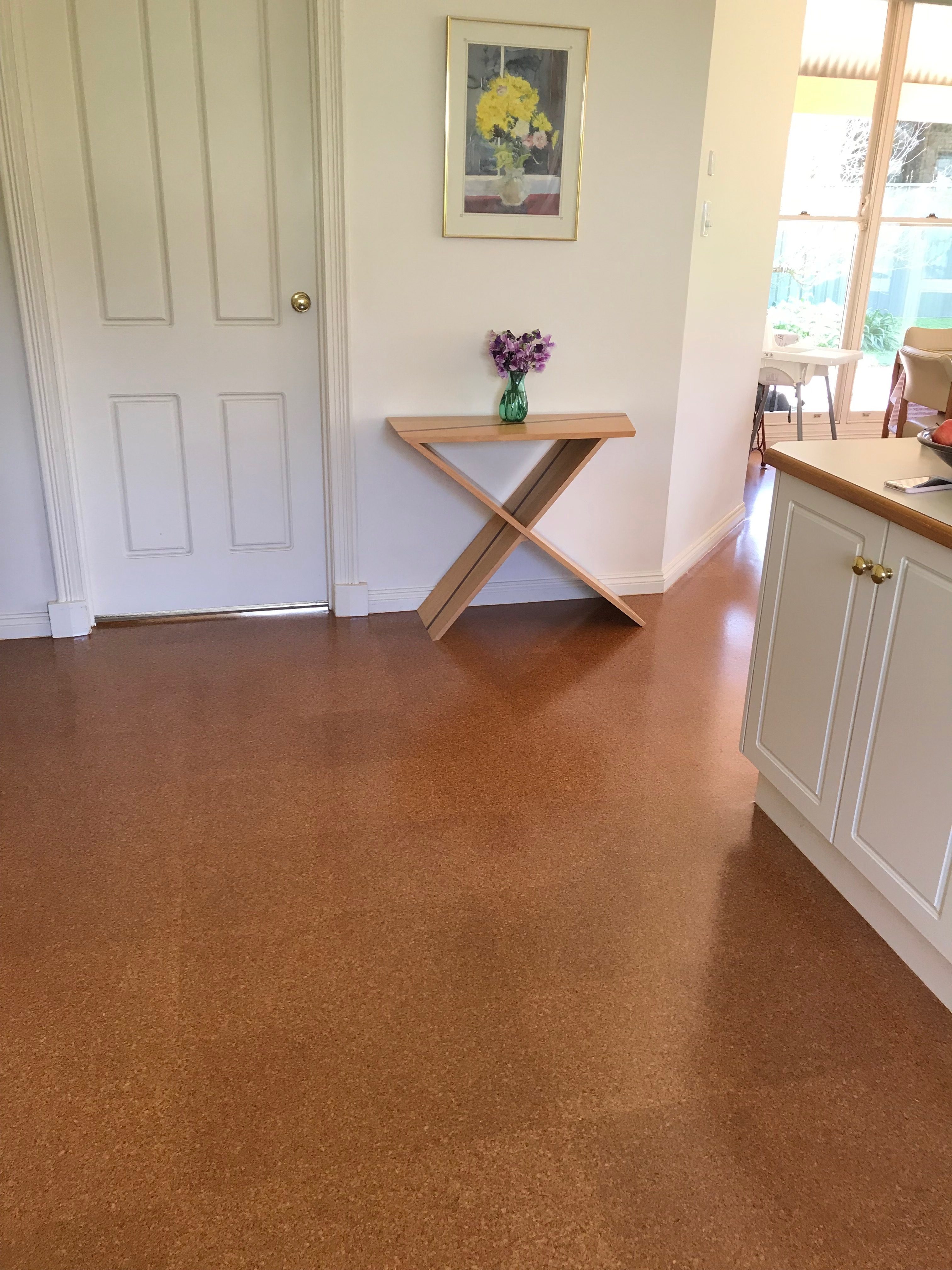
My experience living with cork floors has exceeded expectations. The cushioned feel never gets old. I genuinely enjoy standing in my kitchen now. My feet, knees, and back feel noticeably less fatigued after cooking marathons or long work sessions standing at my desk. The warmth is also significant; the cork never feels cold, even on winter mornings when I walk barefoot to make coffee.
The floors have proven remarkably durable despite my initial worries. I have three kids and a large dog, and the cork has handled everything we’ve thrown at it. Small scratches do happen, but they blend into the mottled texture and aren’t noticeable unless you’re looking for them. Dropped items don’t dent the floor the way they would damage hardwood. The cushioning actually protects dropped dishes, too. I’ve had several glasses bounce rather than shatter.
Cleaning is straightforward; I sweep daily and damp mop weekly with a pH-neutral cleaner. I avoid excessive water and wipe up spills promptly, but the sealed surface resists staining well. Coffee spills, tomato sauce splatters, and even red wine can be wiped up without leaving marks. The natural variations in the cork’s appearance mean minor imperfections disappear visually. After two years, my floors still look nearly new, developing only a subtle patina that adds to their vintage character rather than looking worn or damaged.
Styling Cork Floors in Modern Spaces
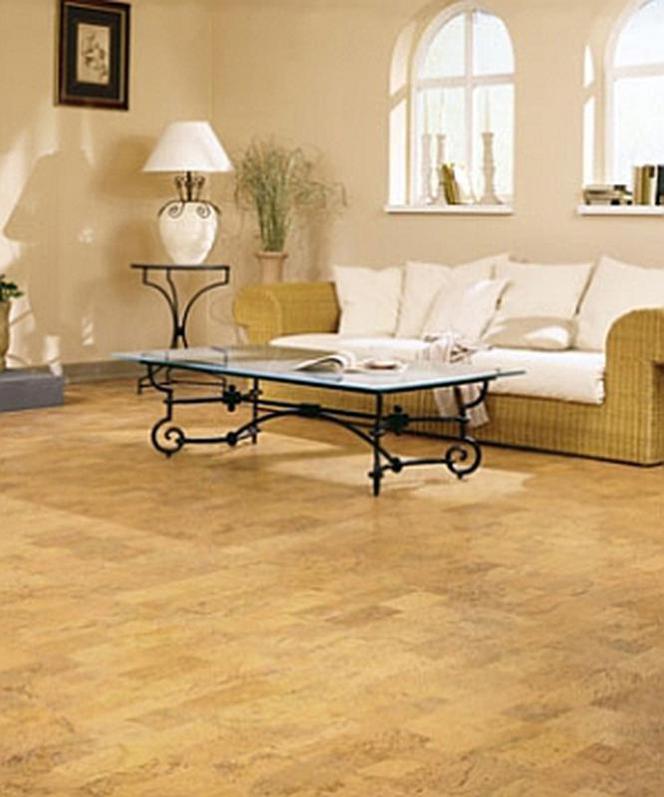
Cork floors read surprisingly versatile in terms of design style. In my mid-century modern kitchen, the cork feels period-perfect paired with my vintage-inspired appliances and simple shaker cabinets. The warm honey tones complement brass hardware and wooden cutting boards beautifully. I’ve kept my color palette neutral with whites, creams, and natural woods, letting the cork be a grounding element rather than competing with bold colors.
I’ve seen cork work equally well in contemporary spaces when paired with clean-lined furniture and minimal decor. A friend installed similar cork in her Scandinavian-style home office, and it looks stunning with white walls, a blonde wood desk, and simple black accents. The natural texture adds warmth that prevents minimal spaces from feeling cold or sterile. Cork bridges the gap between natural and modern aesthetically.
For vintage or retro-themed spaces, cork is obviously perfect. I styled my kitchen with vintage canisters, a restored 1950s clock, and period lighting that all feel cohesive with the cork flooring. The key to making cork work in any space is treating it as a neutral foundation. The texture and warmth are the stars, not bold color or pattern. Furniture and decor can be as simple or elaborate as you want; the cork grounds everything with its organic, timeless presence that doesn’t dictate a specific design direction.

Is cork flooring water-resistant enough for kitchens and bathrooms?
When properly sealed, cork handles moisture well, though it’s not completely waterproof. My kitchen floor sees daily water exposure from cooking and cleaning without issues. I wipe up standing water promptly and reseal every few years to maintain protection. For bathrooms, cork works fine in powder rooms with minimal water exposure. I wouldn’t use it in a shower area, but near sinks and toilets is fine with proper sealing. The key is good maintenance, not letting water sit, and keeping the sealant intact.
How long do cork floors last compared to other options?
Cork can last 25-40 years with proper maintenance, comparable to hardwood and much longer than vinyl or laminate. The ability to reseal and refinish cork means you can restore it rather than replace it. My floor should outlast me if I maintain it properly. Original cork floors from the 1950s are still in service in some homes, proving the material’s longevity. The cellular structure doesn’t compress permanently like you might expect; cork bounces back and maintains its cushioning for decades.
Can cork flooring handle heavy furniture and pet claws?
Cork is more resilient than people expect. Heavy furniture can create slight indentations, but I use felt pads under chair and table legs as a precaution. My furniture hasn’t caused visible damage in two years. My large dog’s claws haven’t scratched the sealed surface, though I keep his nails trimmed. The sealed polyurethane protects the cork from surface damage. Cork’s slight give actually cushions impacts better than rigid floors, protecting both the floor and whatever drops on it.
What’s the maintenance routine for cork floors?
Daily sweeping or vacuuming removes dirt and debris. Weekly damp mopping with pH-neutral cleaner keeps floors fresh. I avoid excessive water and harsh chemicals. Wipe spills immediately. Every 3-5 years, lightly sand and apply fresh polyurethane coats to renew protection. Place mats at entrances to catch dirt. Use furniture pads under heavy items. The routine is similar to hardwood, just basic care and periodic resealing. After establishing habits, maintenance takes minimal time and keeps floors looking great long-term.

Does cork flooring work with radiant heating systems?
Yes, cork pairs beautifully with radiant floor heating. Cork is actually an excellent insulator, so radiant heat warms the floor efficiently without excessive energy use. The cork itself stays comfortably warm underfoot. I don’t have radiant heating, but friends who’ve combined cork with radiant systems report excellent results. Make sure to use adhesives rated for radiant applications and follow manufacturer guidelines for gradual temperature increases during the initial heating season. Cork’s natural thermal properties make it ideal for this combination.
How does cork flooring impact home resale value?
Quality cork flooring is viewed positively by many buyers, especially those interested in sustainable materials and mid-century aesthetics. Real estate agents I’ve consulted say cork appeals to a specific buyer demographic, people who value unique character over generic mainstream finishes. It won’t appeal to everyone, but those who appreciate it really love it. The key is proper installation and maintenance, so it looks great when selling. Cork positions your home as special and thoughtfully designed rather than builder-grade standard.

What Is Cork Tile Flooring?
Cork Flooring, Cork Tiles Sydney Flooring Company Sydney
Related articles: