When I decided to refinish the original oak floors in my 1950s bungalow, I had no idea how overwhelming the finish options would be. Oil-based polyurethane, water-based poly, hardwax oil, penetrating oil, the list seemed endless, and every flooring expert I talked to had a different opinion on what was “best.”
After refinishing floors in my living room, bedrooms, and hallway over the past three years, I’ve learned that there’s no one-size-fits-all answer. Each finish type has its own personality, quirks, and ideal applications. The key is matching the finish to your lifestyle, aesthetic preferences, and how much maintenance you’re willing to commit to. Let me walk you through what I’ve learned so you can make an informed decision without the headaches I went through.
Understanding Oil-Based Polyurethane Finishes
I started with oil-based polyurethane in my living room because everyone said it was the most durable option, and with two dogs and constant foot traffic, durability was my top priority. The application process was more intense than I expected. The fumes were absolutely overwhelming, even with all the windows open and fans running. I had to move out for three days while it cured, staying with my parents because the smell was that strong. But I have to admit, the results were worth the temporary inconvenience.
The amber tone that oil-based poly adds to wood is something you either love or hate, and I’m firmly in the love camp. It gave my oak floors this rich, warm honey color that makes the whole room feel cozier. The finish deepens over time, too, developing more character as it ages. I’ve had it down for three years now, and it still looks fantastic despite the daily abuse from my German Shepherd’s nails and the occasional dropped cooking pot. The scratches that do appear are minimal and blend into the overall patina.
What I wasn’t prepared for was the drying time between coats. Each coat needed a full 24 hours to dry before I could apply the next one, and I did three coats total. That meant nearly a week of not being able to use my living room, which was challenging with my entire furniture situation in limbo.
The final coat needed several more days to fully cure before I could move furniture back. If you’re considering oil-based poly, plan for at least ten days from start to finish, and don’t rush it. Rushing leads to tacky spots and uneven coverage that you’ll regret later.
Exploring Water-Based Polyurethane Options
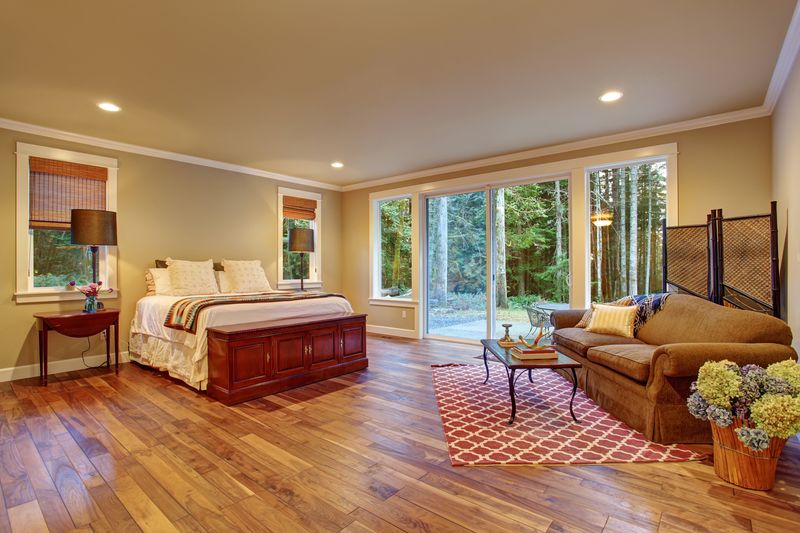
For my bedrooms, I switched to water-based polyurethane after my experience with the oil-based version. The main reason was the fumes, or rather, the lack of them. Water-based poly has a much milder odor that dissipated within hours instead of days. I was able to sleep in my house the same night I applied it, which was a massive improvement. The cleanup was easier too, just soap and water for brushes and applicators instead of mineral spirits.
The appearance is noticeably different from oil-based finishes. Water-based poly dries completely clear, maintaining the natural color of the wood without adding any amber tone. I actually really appreciate this in my bedroom, where I have lighter maple floors. The clear finish keeps them looking bright and contemporary rather than giving them that aged, yellowed appearance. However, I’ve noticed it doesn’t hide imperfections quite as well as the oil-based version. Every little scratch and dent shows more clearly.
Durability-wise, modern water-based polyurethanes have come a long way. I was skeptical at first, thinking they couldn’t possibly hold up as well as oil-based finishes, but I’ve been pleasantly surprised. My bedroom floors have held up well under normal use, though I probably wouldn’t choose water-based poly for super high-traffic areas like entryways or kitchens. It does require more coats to achieve the same level of protection. I applied four coats versus three with oil-based, but each coat dried in just two to three hours. I had the whole project done in two days instead of a week.

Discovering Hardwax Oil Finishes
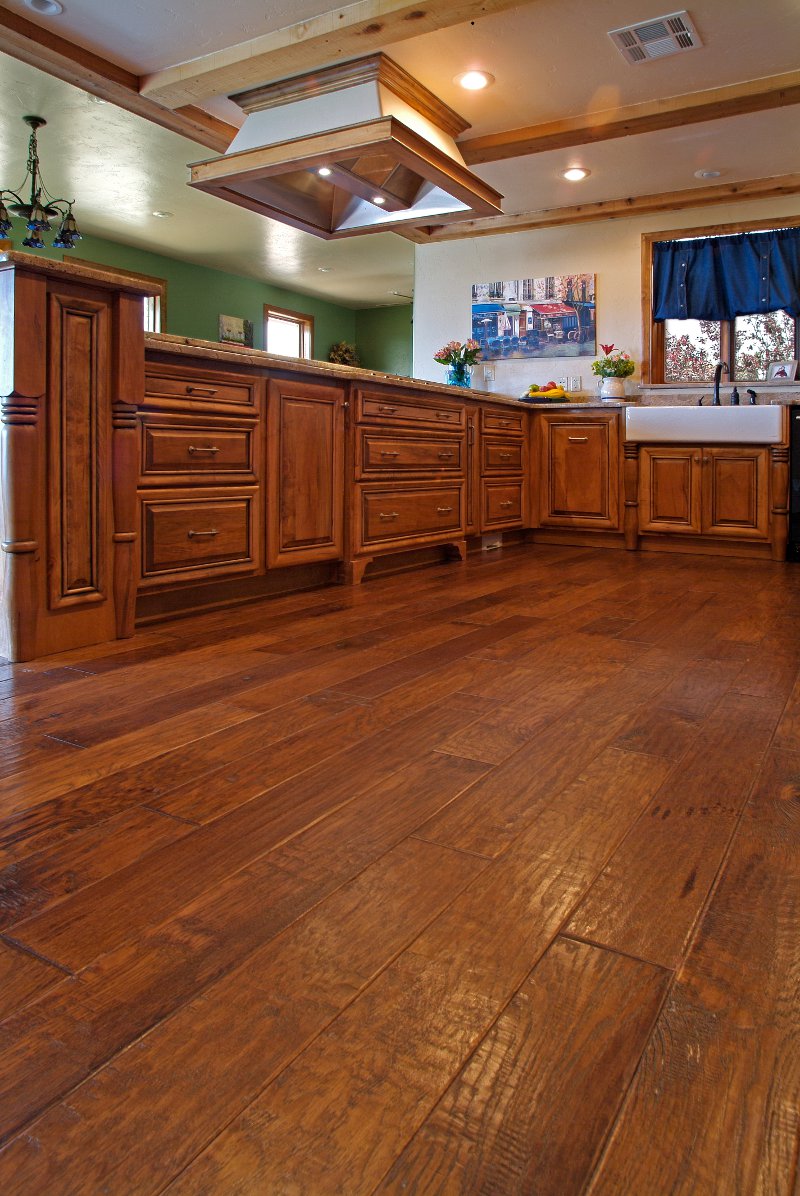
Hardwax oil completely changed my perspective on floor finishes when I used it in my home office. Unlike polyurethanes that sit on top of the wood, hardwax oil penetrates into the fibers while leaving a protective wax layer on the surface. The result is this incredibly natural look and feel that lets you actually experience the texture of the wood grain. Running your hand across it feels like touching wood, not plastic, which I absolutely love.
The application process was surprisingly straightforward, though definitely different from polyurethane. I applied the oil liberally with a lint-free cloth, let it soak in for about ten minutes, then buffed off the excess. The key is not leaving any pooling or excess oil on the surface, which can create sticky spots. I did two coats with 12 hours between them, and the whole project took a weekend. No harsh fumes, no days of waiting, and I could walk on it in socked feet within 24 hours.
What really sold me on hardwax oil is how it ages and how easy repairs are. When my office chair scratched the floor, I didn’t need to sand and refinish the entire room. I just cleaned the scratched area, applied a bit more hardwax oil, buffed it out, and the repair blended seamlessly. That spot maintenance capability is amazing. However, the trade-off is that you need to reapply a maintenance coat every year or two, depending on traffic. I just did my first maintenance coat last month, and it took about two hours for the whole room. Not a big commitment, but it is ongoing.
Considering Penetrating Oil Finishes
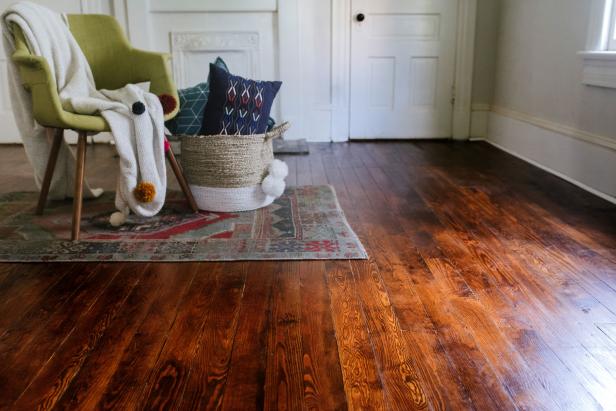
I used pure penetrating oil, specifically tung oil, on the reclaimed pine floors in my mudroom, and it’s been an interesting experience. This finish soaks completely into the wood with no surface film at all. The floor looks and feels completely raw, almost like it’s unfinished, but it has protection from within the wood fibers. The matte, natural appearance is stunning and fits perfectly with the rustic vibe I wanted for that space.
Application requires patience and multiple thin coats. I ended up doing six coats over two weeks, applying a coat every few days and letting it fully absorb and cure between applications. Each coat only takes about 30 minutes to apply with a cloth, but you can’t rush the process. The oil needs time to polymerize within the wood fibers. I learned this the hard way when I tried to apply coats too close together and ended up with a sticky mess that took forever to cure properly.
The biggest downside is durability. Penetrating oils offer the least protection of any finish I’ve tried. My mudroom floor shows wear patterns much more quickly than my polyurethane-finished rooms. Water spots happen easily if I don’t wipe up spills immediately. For a high-traffic, messy area like a mudroom, this probably wasn’t the smartest choice. But I love the look so much that I’m willing to do the extra maintenance. I reapply a fresh coat every three to four months in high-wear areas, which keeps it looking good. This finish is probably better suited for bedrooms or other low-traffic spaces.

Comparing Matte, Satin, and Glossy Sheens
Sheen level is something I didn’t think much about initially, but it makes a huge visual impact on the final result. For my living room with oil-based poly, I chose satin sheen, which has a subtle luster that catches light nicely without looking overly shiny. It’s that sweet spot that feels classic and timeless. The slight sheen also helps hide minor imperfections and dust better than matte finishes, which was important for my high-traffic area where I can’t constantly be cleaning.
I went with matte finish in my bedrooms because I wanted a more contemporary, understated look. Matte finishes have very little light reflection, giving the wood a natural, almost unfinished appearance while still providing protection. I love how it looks, very sophisticated and modern. However, I’ve noticed it shows every footprint, dust particle, and dog hair. I’m vacuuming and dry-mopping way more frequently than in my living room. Matte is beautiful but definitely higher maintenance in terms of keeping it looking clean.
My one experiment with glossy finish was in a small hallway, and honestly, it’s not my favorite. The high shine looked gorgeous immediately after application, almost like a mirror reflecting light throughout the space. But it shows every tiny scratch, scuff, and imperfection. After just a few months, it looked more worn than my satin-finish floors despite less traffic. Glossy finishes also tend to feel a bit slippery underfoot, which made me nervous on the stairs. Unless you’re going for a very formal, traditional look and are willing to be extremely careful, I’d recommend sticking with satin or matte sheens for a more forgiving, livable finish.

Maintaining Different Floor Finishes Long-Term
The maintenance requirements vary dramatically depending on which finish you choose, something I wish I’d considered more carefully before starting. My polyurethane-finished floors require the least day-to-day attention. I sweep or vacuum regularly, damp mop with a pH-neutral hardwood cleaner weekly, and that’s about it. Every few years, I might need to screen and recoat them, which involves lightly abrading the surface and applying a fresh coat of finish without full sanding. It’s much easier than complete refinishing.
My hardwax oil floors need more regular attention, but in smaller doses. I sweep them daily because they show dirt more readily than poly finishes. Every few months, I clean them with a specialized hardwax oil soap that cleans without stripping the protective wax layer. Then annually, I apply a maintenance coat of the hardwax oil, which takes a couple of hours and refreshes the protection. It sounds like more work written out, but these tasks are quick and easy, more like routine maintenance than major projects.
The penetrating oil finish in my mudroom demands the most attention. I’m constantly wiping up wate,r and cleaning products need to be very mild to avoid stripping the oil. I apply fresh coats of oil every few months in the high-traffic paths near the door, which keeps the protection consistent. I’ve accepted that this floor will develop a worn patina over time, and I’m learning to appreciate that as part of its character. The key with any finish is setting realistic expectations about maintenance and choosing something that matches your lifestyle. If you want low-maintenance, stick with polyurethane. If you enjoy working with your floors and like the natural aesthetic, hardwax oils or penetrating oils might be worth the extra effort.
How long do different finishes typically last before needing refinishing?
Based on my experience, oil-based polyurethane lasts the longest, around 10 to 15 years in high-traffic areas before needing complete refinishing. Water-based poly typically needs attention after 7 to 10 years. Hardwax oil doesn’t require full refinishing, just annual maintenance coats, which is actually more convenient. Penetrating oils need the most frequent attention, with spot treatments every few months. The actual lifespan depends heavily on traffic levels and how well you maintain them.
Can I apply a different type of finish over my existing floors?
Generally, no, not without removing the old finish first. I learned this when I wanted to switch from oil-based poly to hardwax oil. You have to sand down to bare wood before applying a different finish type. The only exception is recoating with the same type of finish, like putting water-based poly over existing water-based poly. Mixing finish types causes adhesion problems and can result in peeling or bubbling. If you want to change finishes, plan for a complete refinishing job.

Which finish is best for homes with pets and kids?
Oil-based polyurethane has been my champion for durability with my two dogs. It stands up to scratches, water spills, and general chaos better than anything else I’ve tried. Water-based poly is a close second with less odor during application. Hardwax oil is surprisingly resilient and easier to spot-repair when damage happens, though it needs more frequent maintenance. I’d avoid penetrating oils in high-traffic family areas since they offer the least protection and show wear quickly.
How much does professional floor finishing typically cost?
When I got quotes for my living room, professional finishing ranged from $3 to $5 per square foot for standard polyurethane finishes. My 300-square-foot living room would have cost around $1,200 to $1,500 professionally. I DIYed it for about $300 in materials. Hardwax oils can cost more professionally since fewer contractors are experienced with them. If you’re not confident in your DIY skills, professional application is worth it for the peace of mind and guaranteed results.

Do I really need three or four coats of finish?
Yes, absolutely. I tried cutting corners and doing just two coats in a closet, thinking it would be fine for a low-traffic area. Within a year, the finish was wearing through in spots. Each coat adds another layer of protection. Oil-based poly needs a minimum of three coats, water-based needs four, and hardwax oils need at least two. More coats mean longer-lasting protection and fewer problems down the road. It’s tempting to save time, but trust me, do the full number of recommended coats.
What’s the most eco-friendly hardwood floor finish option?
Hardwax oils and penetrating oils are generally the most environmentally friendly options. They contain fewer volatile organic compounds than traditional polyurethanes and are often made from natural, renewable materials like linseed or tung oil. Water-based polyurethanes are better than oil-based ones in terms of VOCs and indoor air quality. When I was researching eco-friendly options, I found several zero-VOC water-based polys and natural oil finishes. They cost slightly more but are worth it if environmental impact matters to you.

Which are the best brands of Polyurethane for floors?

How Hard Can It Be to Choose a Hardwood Floor? – The New York Times

How To Refinish Hardwood Floors – DIY Home Improvement
How to Choose the Right Floor Finish Applicator City Floor Supply

Related articles: