When I bought my 1890s Victorian home four years ago, the original hardwood floors were buried under layers of carpet and linoleum that had accumulated over decades. As I began the painstaking restoration process, I fell in love with the character marks, scratches, and imperfections that told the story of generations of families who had called this house home.
That experience sparked my fascination with hand scraped hardwood flooring, which captures that same authentic, lived-in character while offering the performance benefits of modern manufacturing. After installing hand scraped floors in three rooms and helping friends with their projects, I’ve learned that this flooring style offers the perfect balance of rustic charm and contemporary durability.
Understanding the Hand Scraped Manufacturing Process
Traditional hand scraping techniques fascinated me when I visited a local craftsman who still creates floors using antique tools passed down through generations. I watched him use curved scrapers and specialized planes to create the subtle undulations and texture variations that give authentic hand scraped floors their distinctive character. Each board receives individual attention, with the craftsman varying pressure and angles to create natural-looking imperfections that machine manufacturing struggles to replicate convincingly.
Modern manufacturing methods have evolved to produce hand scraped effects more efficiently while maintaining visual authenticity that surprised me with its quality. I toured a factory where skilled artisans use pneumatic tools and carefully programmed machines to create texture variations across thousands of square feet. The key difference I observed was that quality manufacturers still employ human oversight to ensure each board has unique character rather than repetitive patterns that would look obviously artificial.
Quality differences between authentic hand scraping and machine simulation became apparent when I compared samples from various manufacturers during my selection process. Authentic hand scraped boards show natural variation in depth, direction, and spacing of scrape marks, while cheaper machine-scraped options display repetitive patterns that fool no one. I learned to look for subtle inconsistencies and organic randomness that indicate genuine craftsmanship rather than automated production trying to mimic handwork.
Wood Species Selection for Hand Scraped Finishes
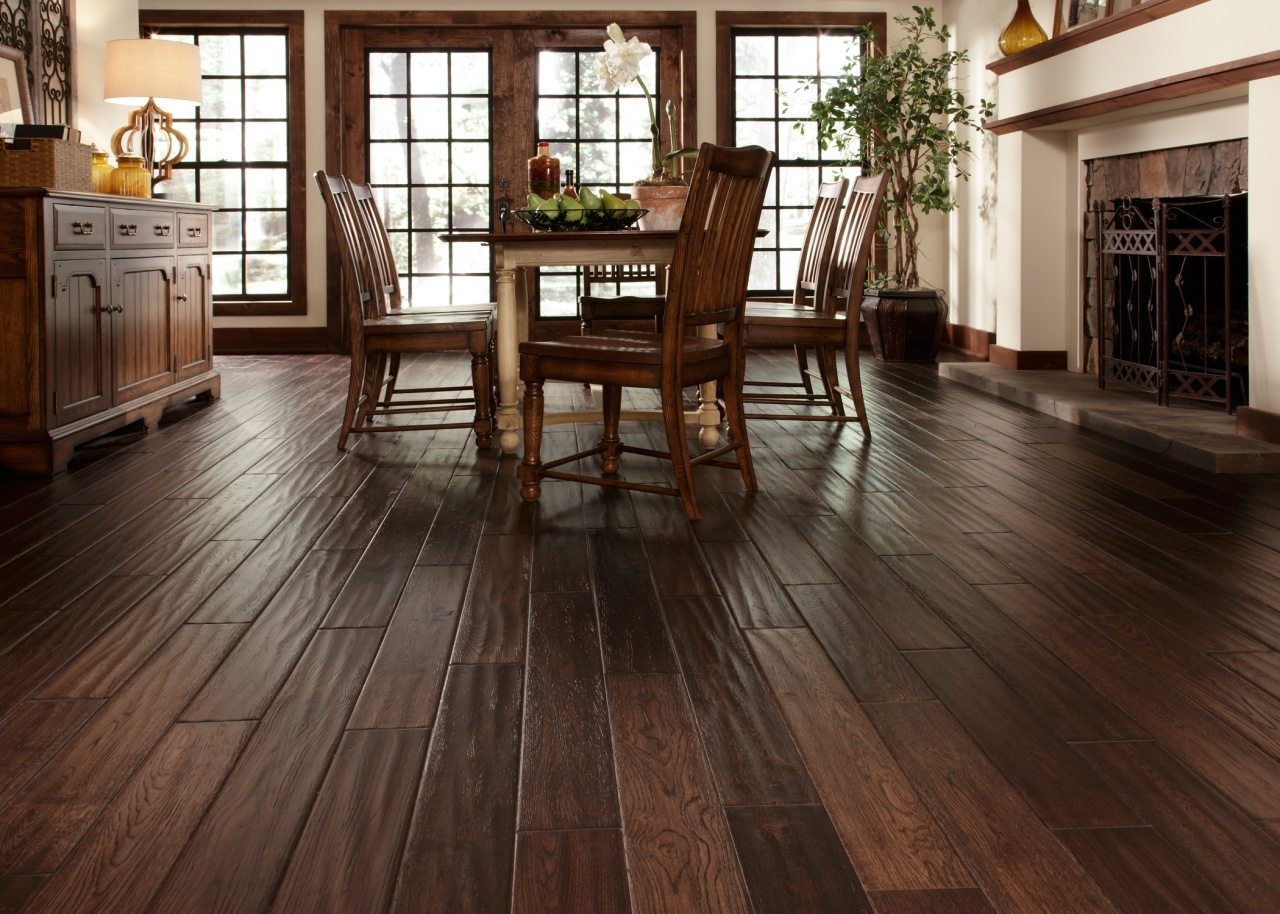
Hardwood species respond differently to hand scraping techniques, creating distinct appearances and performance characteristics that I discovered through extensive research and showroom visits. Oak became my top choice because its prominent grain patterns complement the scraping texture beautifully, creating depth and visual interest that enhances the rustic character. The wood’s durability also means the scraped texture withstands daily wear while maintaining its authentic appearance for years of family use.
Hickory offered the most dramatic texture contrast when I examined samples, with its naturally irregular grain patterns amplified by the scraping process. The wood’s extreme hardness preserves scrape marks indefinitely while providing excellent dent resistance for high-traffic areas. I chose hickory for my kitchen installation where durability was paramount, and the pronounced texture variations hide daily wear patterns that would show on smoother surfaces.
Pine and other softer woods create gentler scraped textures that I found appealing for bedrooms and quieter spaces where subtle character was preferred over dramatic rustic appearance. The scraping process removes soft grain sections preferentially, leaving harder winter growth standing proud to create natural texture variations. However, softer woods require more careful maintenance since the scraped texture can collect dirt and wear more quickly than harder species.

Installation Techniques and Considerations
Acclimation requirements proved more critical for hand scraped flooring than smooth surfaces due to the increased surface area created by texture variations. I learned to allow extra time for moisture equalization, storing boards in the installation space for at least two weeks before beginning work. The textured surface area means more wood exposed to environmental conditions, making proper acclimation essential for preventing gaps, cupping, or other moisture-related problems after installation.
Subfloor preparation demanded extra attention to ensure the irregular surface texture wouldn’t amplify minor imperfections in the foundation. I spent considerable time leveling and smoothing my subfloor because hand scraped textures can telegraph even small irregularities, creating squeaks and uneven wear patterns. Using premium underlayment and taking time for proper preparation proved essential for achieving professional results that would last for decades.
Installation spacing considerations required adjustments from standard hardwood practices because the textured surface affects expansion calculations differently than smooth flooring. I left slightly larger expansion gaps around room perimeters and maintained consistent spacing throughout the installation. The hand scraped texture helps disguise normal seasonal movement, but proper spacing prevents buckling during high humidity periods when wood expansion peaks.

Maintenance and Care Requirements
Daily cleaning routines needed modification to address the unique challenges of textured surfaces that can trap dirt and debris more readily than smooth floors. I developed a system using microfiber mops and carefully chosen cleaning products that remove soil from texture valleys without leaving residue. Vacuuming with soft-bristle attachments became essential for removing debris that conventional sweeping missed in the scraped recesses.
Deep cleaning techniques required experimentation to find methods that thoroughly cleaned textured surfaces without damaging the character that made hand scraped floors appealing initially. I discovered that steam cleaning worked effectively for periodic deep maintenance, with the steam penetrating texture variations to lift embedded soil. However, I learned to use minimal moisture and ensure thorough drying to prevent water damage to the wood substrate.
Refinishing considerations became important when I realized that hand scraped floors couldn’t be sanded and refinished like smooth hardwood without losing their distinctive character. Professional restoration requires specialized techniques to maintain the scraped texture while renewing the protective finish. I budget for more frequent screen-and-recoat maintenance rather than full sanding, which preserves the character while maintaining protection and appearance.
Design Integration and Style Compatibility
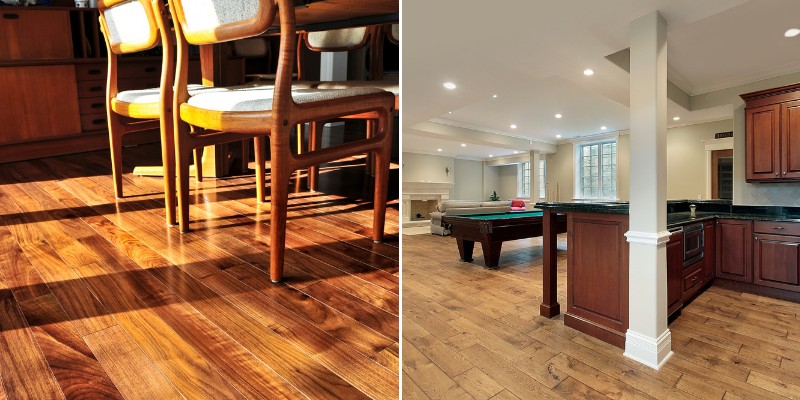
Rustic and farmhouse styles showcase hand scraped flooring perfectly, with the textured surface complementing other authentic materials like exposed beams and natural stone. I paired my hand scraped oak floors with reclaimed wood accents and vintage furniture pieces that enhanced the authentic, collected-over-time appearance. The flooring provides an ideal foundation for layering natural textures and materials that create warm, inviting spaces.
Traditional décor styles benefit from hand scraped flooring’s ability to add character without overwhelming formal furniture and classic design elements. In my dining room, the subtle texture variations provide visual interest while maintaining the sophistication needed for entertaining guests. I found that darker stains on hand scraped floors create particularly elegant foundations for traditional furniture and Oriental rugs.
Modern and contemporary applications surprised me with how effectively hand scraped floors can anchor clean, minimalist designs. The textural contrast creates visual warmth that prevents sterile appearances while maintaining the clean lines that define contemporary style. I’ve seen successful installations where hand scraped floors provide organic character that balances sleek furniture and geometric architecture beautifully.

Cost Analysis and Value Considerations
Material pricing for hand scraped hardwood flooring varies significantly based on manufacturing methods and wood species, with authentic hand scraped options commanding premium prices. I found costs ranging from $8-15 per square foot for quality machine-scraped options, while genuine hand-scraped floors cost $15-25 per square foot depending on species and finish quality. The investment proved worthwhile for the unique character and enhanced durability that justified the premium pricing.
Installation costs remained similar to smooth hardwood flooring since the basic techniques are identical, though extra preparation time for proper acclimation and subfloor preparation can increase labor expenses slightly. I budgeted an additional 10-15% for installation compared to smooth flooring to account for the extra care required. Professional installation became essential for achieving results that showcase the flooring’s character while ensuring long-term performance.
Long-term value considerations made hand scraped flooring an excellent investment through superior durability and timeless appeal that won’t look dated in future years. The textured surface hides normal wear patterns that would be obvious on smooth floors, extending the time between refinishing needs. Real estate professionals confirmed that quality hand scraped floors add significant value while appealing to buyers seeking authentic character and low-maintenance beauty.

Is hand scraped hardwood flooring more difficult to clean than smooth floors?
It requires slightly different techniques but isn’t significantly harder to maintain. I use microfiber mops and soft-bristle vacuum attachments to clean texture valleys effectively. The key is establishing good daily habits to prevent dirt buildup. The textured surface actually hides normal wear and dust better than smooth floors, making maintenance less frequent.
How do I know if I’m getting authentic hand scraped floors versus machine-made imitations?
Look for natural variation in scrape depth, direction, and spacing between boards. Authentic hand scraping shows organic randomness, while machine scraping creates repetitive patterns. I always request samples and examine them closely under good lighting. Reputable manufacturers clearly identify their production methods and craftsman involvement in the process.

Can hand scraped hardwood floors be refinished like regular hardwood?
Traditional sanding removes the scraped texture, so refinishing requires specialized techniques. I use screen-and-recoat methods more frequently to maintain the finish without losing character. Professional restoration can refresh severely worn floors while preserving texture, but it costs more than standard refinishing. Plan for different maintenance approaches than smooth hardwood.
Are hand scraped floors suitable for homes with pets and children?
Actually, they’re excellent for active families because the texture hides scratches, dents, and normal wear that would be obvious on smooth surfaces. My floors still look great after three years with two dogs and young kids. The key is choosing harder wood species like oak or hickory that resist damage while benefiting from the texture’s camouflaging effect.

What’s the best wood species for hand scraped flooring in high-traffic areas?
Oak and hickory perform best in my experience due to their hardness and prominent grain patterns that complement the scraped texture. Hickory offers maximum durability but costs more, while oak provides excellent performance at moderate pricing. I chose oak for most areas and hickory for the kitchen where traffic is heaviest.
Do hand scraped floors work with radiant heating systems?
Yes, but proper installation and acclimation become even more critical. I worked with experienced installers who understood moisture management with radiant systems. The textured surface can affect moisture exchange slightly, so monitoring humidity levels and gradual temperature changes are essential. Quality engineered hand scraped floors often work better than solid wood with radiant systems.

Here are the Main Pros and Cons of Hand Scraped Hardwood Flooring
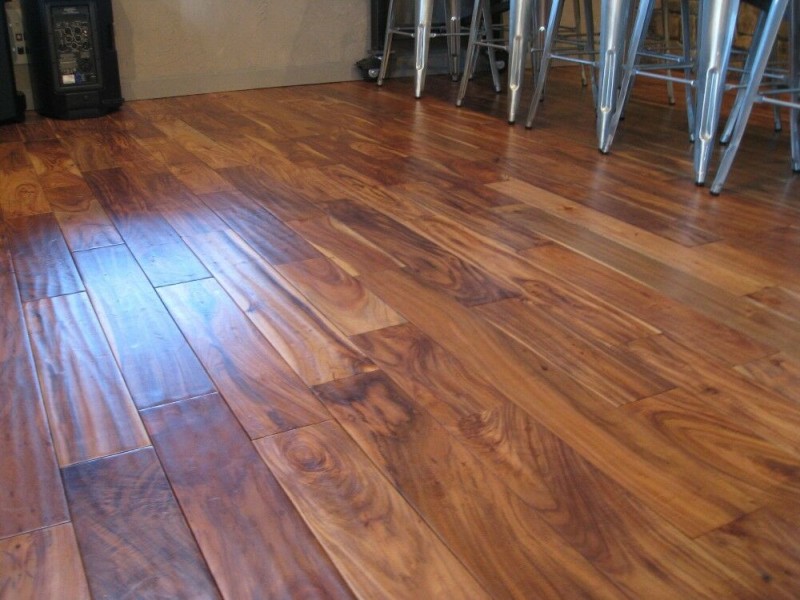
Hickory Hand Scraped Prefinished Solid Wood Floor, Greystone, Sample, by Hurst Hardwoods

Mohawk Windworn Hickory 3/8″ Thick x 5″ Wide x Varying Length
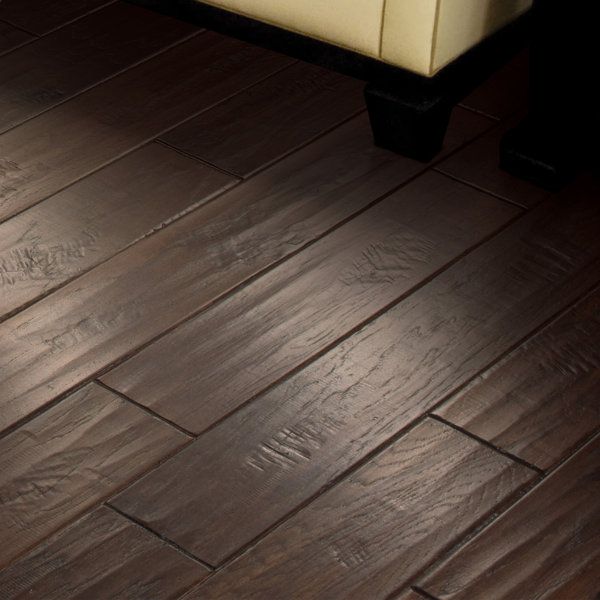
Handscraped Collections

Related articles: