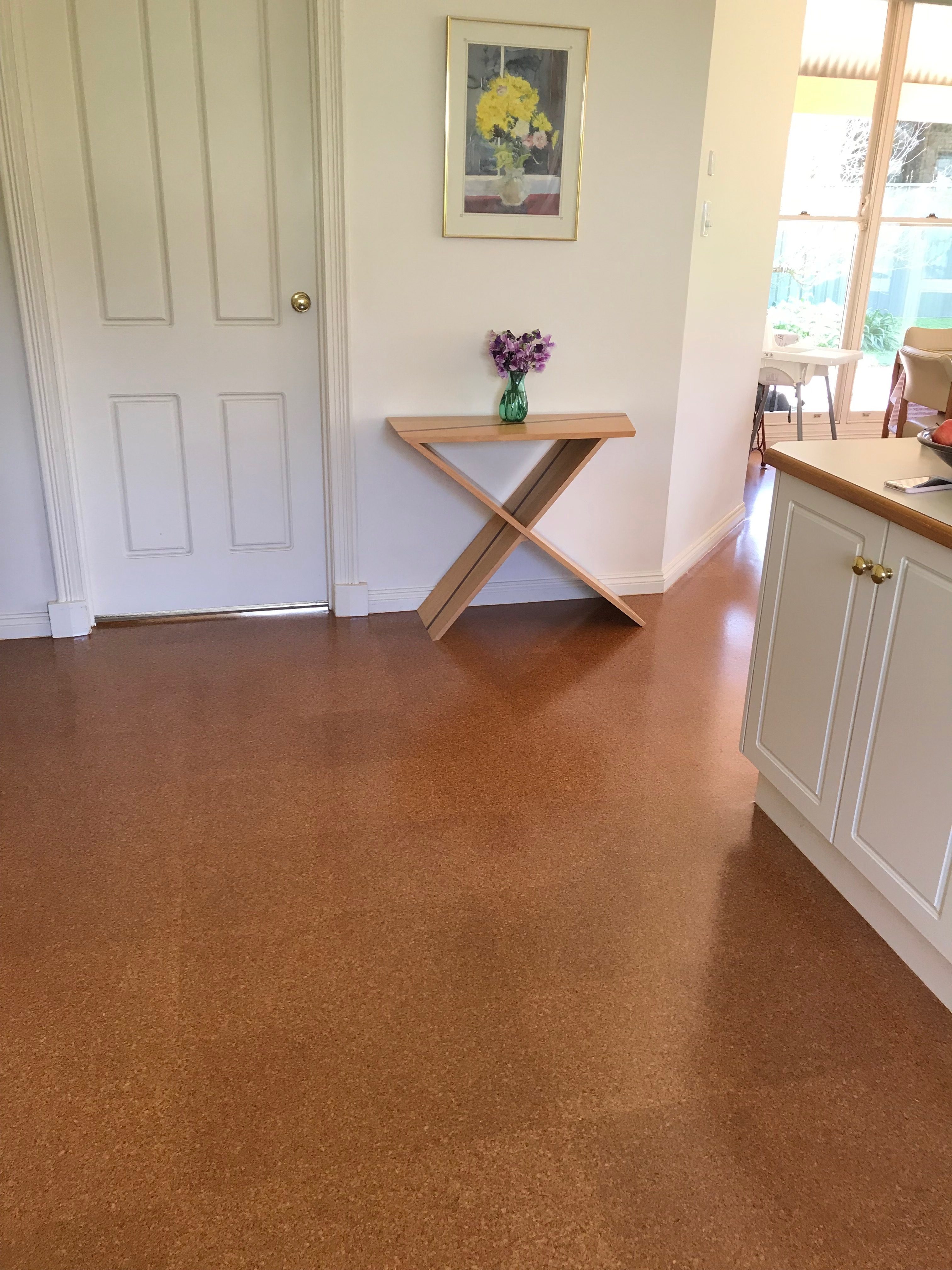
When I first installed cork flooring in my kitchen three years ago, I had no idea what I was getting into maintenance-wise. The salesperson made it sound so simple, just sweep and mop like any other floor. Well, let me tell you, I learned the hard way that cork requires a completely different approach than the hardwood and tile I was used to. After some initial mistakes that left me panicking about permanent damage, I’ve now developed a cleaning routine that keeps my cork floors looking beautiful and lasting longer than I ever expected. The natural beauty and comfort underfoot make every bit of extra care worthwhile.
Understanding Cork Flooring’s Unique Properties
Cork flooring surprised me with its resilience and natural antimicrobial properties, but I quickly learned that these benefits come with specific care requirements. The cellular structure that makes cork so comfortable to walk on also makes it more porous than traditional hardwood, meaning spills can penetrate deeper if not cleaned immediately. I discovered that the natural oils in cork help resist bacteria and mold, which was perfect for my kitchen environment, where occasional spills are inevitable.
The protective finish on cork floors became my biggest learning curve because it’s typically polyurethane or wax-based, requiring different cleaning products than I’d used on other surfaces. I made the mistake early on of using a standard wood floor cleaner that left streaky residue and dulled the finish over time. Understanding that cork needs pH-neutral cleaners specifically designed for sealed cork surfaces saved me from further damage and helped restore the natural luster I thought I’d lost forever.
Moisture sensitivity taught me to be much more mindful of wet cleaning methods than I’d been with previous flooring types. While cork handles normal humidity well, standing water can cause swelling and permanent damage to the planks. I learned to work in small sections when mopping, ensuring each area dries quickly and completely. This attention to moisture control has prevented the warping issues that initially worried me about choosing cork for a kitchen application.
Daily Maintenance Routines That Work
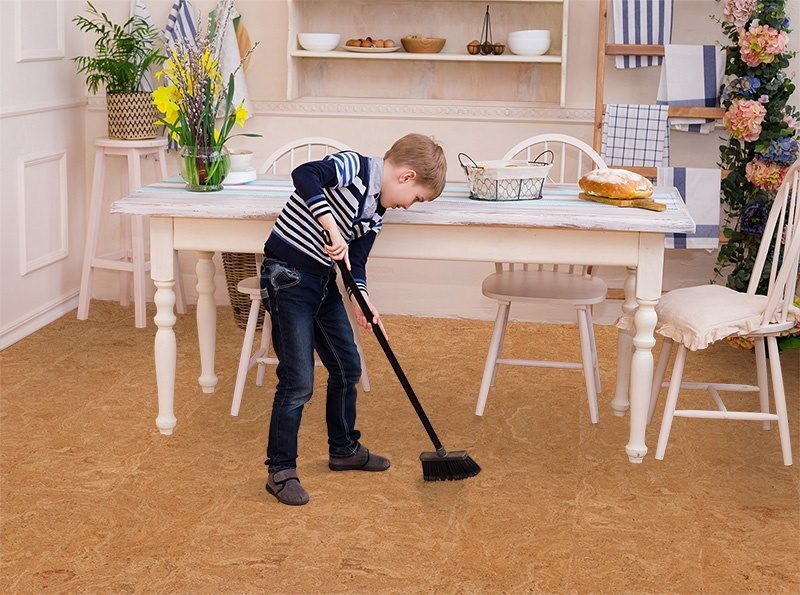
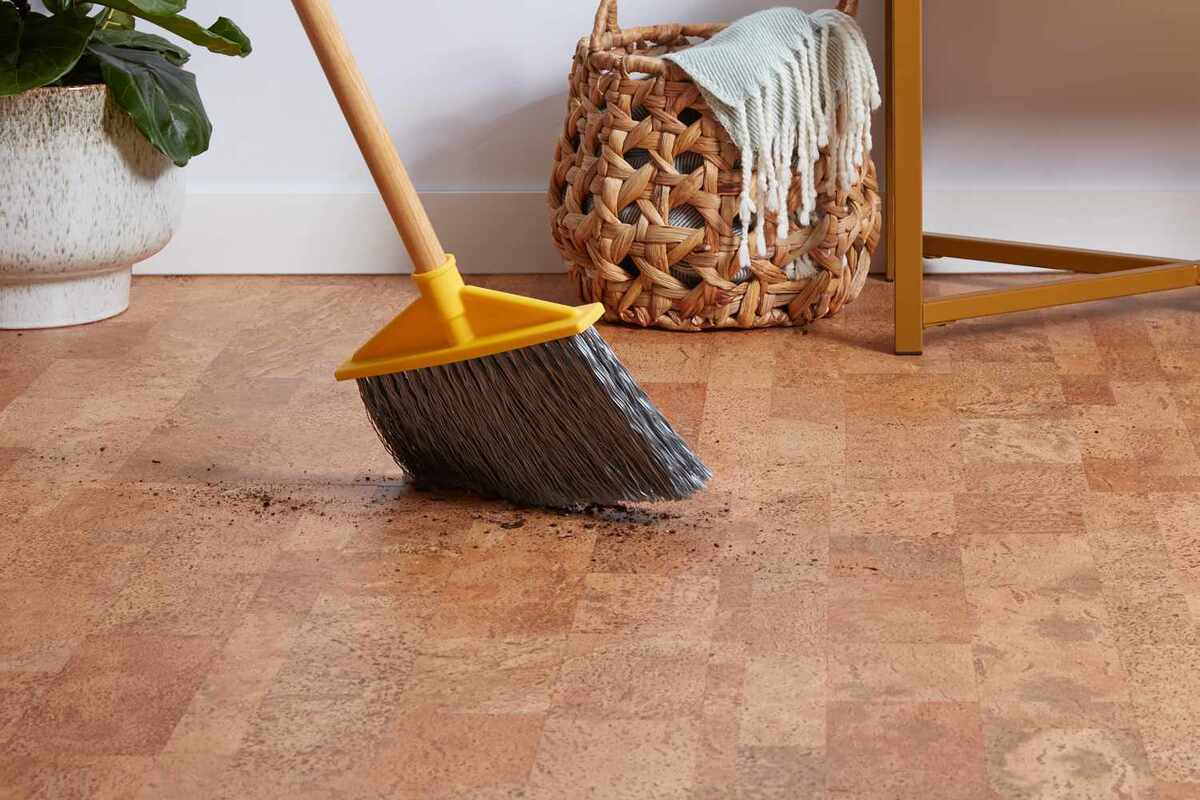
Sweeping became an art form once I realized that regular dust and debris removal prevents the tiny particles from grinding into the cork’s surface and causing premature wear. I invested in a high-quality microfiber dust mop that picks up everything without scratching, and I use it every single day in high-traffic areas. The soft fibers grab pet hair, dust, and crumbs effectively while being gentle enough not to damage the protective finish that keeps my floors looking new.
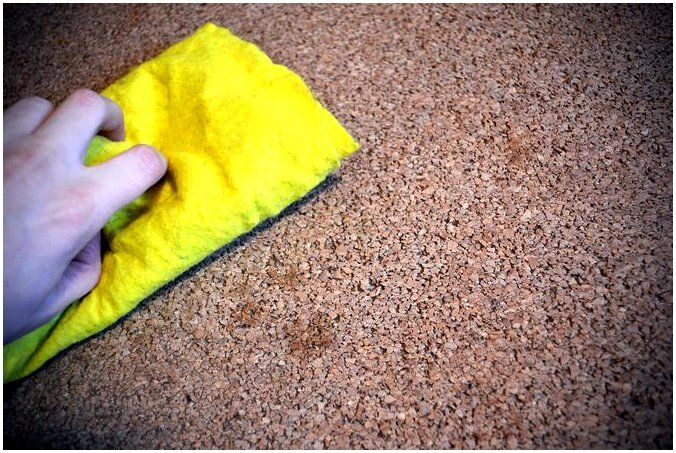
Immediate spill cleanup became second nature after I learned how quickly liquids can penetrate cork’s porous surface. I keep microfiber cloths strategically placed around the kitchen and dining areas, allowing me to blot spills within seconds of occurrence. The key is blotting rather than wiping, which prevents spreading the liquid over a larger area. For sticky spills like juice or coffee, I follow up with a slightly damp cloth and dry the area thoroughly to prevent any residue from attracting more dirt.
Entrance mat strategies made a huge difference in reducing the amount of dirt and moisture that reaches my cork floors. I placed high-quality mats both outside and inside each entrance, creating a system that catches most debris before it can be tracked through the house. I learned that rubber-backed mats can discolor cork over time, so I use natural fiber mats that allow air circulation underneath. This simple prevention method has dramatically reduced my daily cleaning time.
Weekly Deep Cleaning Techniques
My weekly cleaning routine focuses on removing the buildup that daily maintenance can’t handle while being gentle enough to preserve the cork’s natural beauty. I start by vacuuming with a soft brush attachment, which removes embedded dirt more effectively than sweeping alone. The vacuum picks up particles that have worked their way into the cork’s texture, preventing the gradual dulling that occurs when dirt accumulates over time.
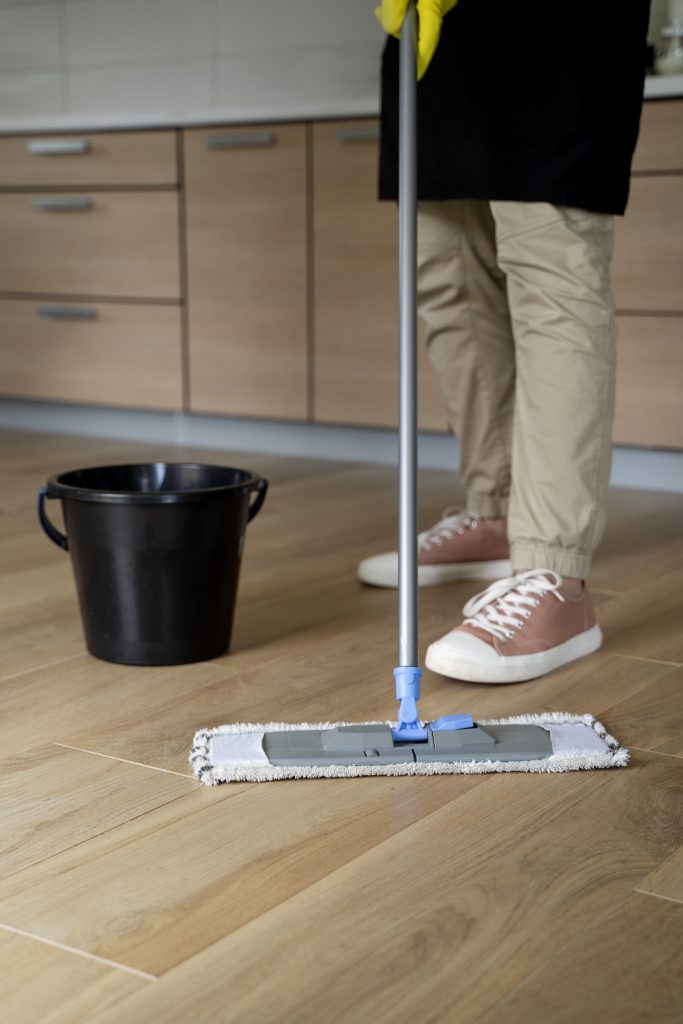
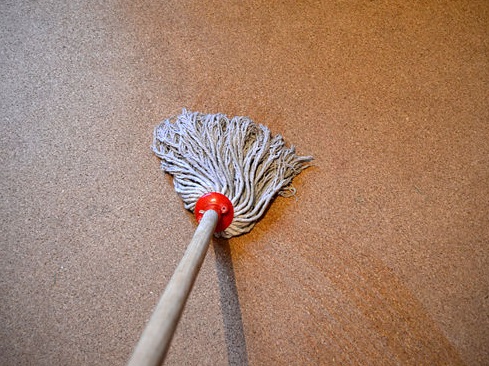
Damp mopping with cork-specific cleaners became my go-to method for maintaining that fresh, clean appearance without damaging the protective finish. I learned to use minimal water, wringing my mop until it’s barely damp rather than wet. Working in small sections allows me to control moisture levels while ensuring thorough cleaning. The specialized cork cleaners I use enhance the natural grain patterns and maintain the subtle sheen that makes cork so attractive.
Spot treatment for stubborn stains requires patience and the right products, but I’ve successfully removed everything from wine spills to scuff marks without damaging the floor. For organic stains, I use a paste made from baking soda and water, letting it sit for a few minutes before gently rubbing with a soft cloth. Scuff marks usually respond to a pencil eraser or tennis ball, techniques that seemed too simple to work but have proven incredibly effective for maintaining my floors’ appearance.

Products That Work and Those to Avoid
Finding the right cleaning products took trial and error, but I’ve now identified several that consistently deliver great results without harming my cork floors. pH-neutral cleaners specifically formulated for cork have become my standard choice, providing effective cleaning while preserving the protective finish. I avoid anything containing vinegar, ammonia, or harsh detergents, which can strip the protective coating and leave the cork vulnerable to damage and staining.
Microfiber cleaning tools revolutionized my cork floor care routine because they’re effective without being abrasive. I use different microfiber mops for different tasks: a dry one for daily dust removal and a slightly damp one for weekly cleaning. The fine fibers pick up dirt and debris without scratching, while their absorbent properties help control moisture levels during cleaning. I learned to wash my microfiber tools regularly to maintain their effectiveness and prevent redepositing dirt.
Natural cleaning solutions work surprisingly well for cork maintenance, though I had to experiment to find the right concentrations and applications. A mixture of warm water with a tiny amount of mild dish soap creates an effective cleaning solution for regular maintenance. For deeper cleaning, I add a small amount of cork floor polish to restore shine and provide additional protection. These gentler alternatives have proven just as effective as commercial products while being more environmentally friendly.
Dealing with Stains and Damage
Water stains taught me the importance of quick action and proper techniques for cork floor restoration. When I discovered white rings from plant pots that had been sitting on the floor, I thought the damage was permanent. However, I learned that gentle rubbing with a cloth and cork-specific polish can often remove these marks completely. The key is patience and persistence, working gradually rather than trying to force immediate results that might cause additional damage.
Scratch repair became less intimidating once I understood that minor surface scratches often disappear with proper polishing techniques. I use a cork touch-up pen for deeper scratches, carefully matching the color and applying thin layers until the scratch blends with the surrounding area. For more significant damage, I’ve learned that individual cork planks can often be replaced without redoing the entire floor, though this requires professional installation to maintain the seamless appearance.
Dent removal surprised me with how effective simple techniques can be on cork’s naturally resilient surface. Small dents from dropped objects often recover on their own as the cork’s cellular structure rebounds over time. For more stubborn dents, I’ve found that placing a damp cloth over the area and applying gentle heat with an iron can help the cork expand back to its original shape. This technique requires careful attention to avoid overheating, but it’s saved me from costly repairs several times.
Seasonal Care and Long-Term Maintenance
Humidity management became crucial for maintaining my cork floors through changing seasons, especially during dry winter months when indoor humidity drops significantly. I invested in a humidifier to maintain consistent moisture levels, preventing the cork from drying out and potentially cracking or shrinking. Monitoring humidity levels between 30-50% has prevented seasonal issues and kept my floors stable and beautiful year-round.
Annual deep cleaning goes beyond my regular weekly routine, involving a thorough inspection and treatment of the entire floor surface. I examine each plank for signs of wear, loose edges, or developing problems that might require attention. This yearly assessment allows me to address small issues before they become major problems, extending the life of my flooring investment significantly.
Refinishing schedules depend on traffic levels and wear patterns, but I’ve learned to recognize the signs that indicate it’s time for professional attention. When high-traffic areas start showing dullness that doesn’t respond to regular cleaning, or when the protective finish begins wearing thin, I schedule professional refinishing. This maintenance investment every 5-7 years keeps my cork floors looking new and provides continued protection against damage and staining.

Can I use a steam mop on my cork floors?
I learned the hard way that steam mops are too aggressive for cork flooring. The excessive heat and moisture can damage the protective finish and potentially cause the cork to swell or warp. I stick to damp mopping with cork-specific cleaners, which provides thorough cleaning without the risks associated with steam cleaning methods.
How often should I clean my cork floors?
I sweep or dust mop daily in high-traffic areas and do a thorough damp mopping weekly throughout my home. The frequency depends on your household traffic, pets, and lifestyle factors. I’ve found that consistent daily maintenance reduces the time needed for weekly deep cleaning while keeping the floors looking their best.

What should I do if my cork floors get wet?
When my dishwasher leaked and soaked part of my cork floor, I acted quickly to dry the area completely using fans and dehumidifiers. The key is removing standing water immediately and ensuring thorough drying to prevent swelling or mold growth. Most cork floors can handle brief wetness if addressed promptly and properly.
Can cork floors be refinished like hardwood?
Yes, I’ve had my high-traffic areas professionally refinished once in three years, and the results were excellent. Cork floors can typically be sanded and refinished 2-3 times during their lifespan, depending on the thickness of the wear layer. Professional refinishing restored the original beauty and provided a fresh protective coating for continued durability.
Are cork floors suitable for homes with pets?
My two dogs and cat have lived comfortably on cork floors for years without significant issues. The natural antimicrobial properties help resist odors, and the surface is gentle on pet paws. I do clean up accidents immediately and use enzyme cleaners designed for pet messes to prevent staining and odor absorption.
How do I know if my cork floors need professional attention?
I watch for signs like persistent dullness despite proper cleaning, visible wear patterns in high-traffic areas, or areas where the protective finish appears worn away. When regular maintenance no longer maintains the desired appearance, or when I notice any structural issues like loose planks, I consult with flooring professionals for assessment and recommendations.
How to Clean Cork Floors: 10 Steps (with Pictures) – wikiHow

How to clean cork floors in the best way?
How to clean cork floors in the best way?
How to Clean Cork Floors: 10 Steps (with Pictures) – wikiHow

Related articles: