When I started planning my kitchen renovation last year, I fell in love with the sophisticated look of natural slate flooring, but quickly discovered that my budget wouldn’t stretch to cover the cost of real stone. After months of research and showroom visits, I discovered slate laminate flooring that looked remarkably similar to the real thing at a fraction of the price.
I was skeptical at first, wondering if laminate could truly capture the natural beauty and texture of slate, but after living with it for eight months now, I can honestly say it was one of the best flooring decisions I’ve made. The realistic appearance, easy maintenance, and durability have exceeded all my expectations.
Understanding Slate Laminate Technology and Realism
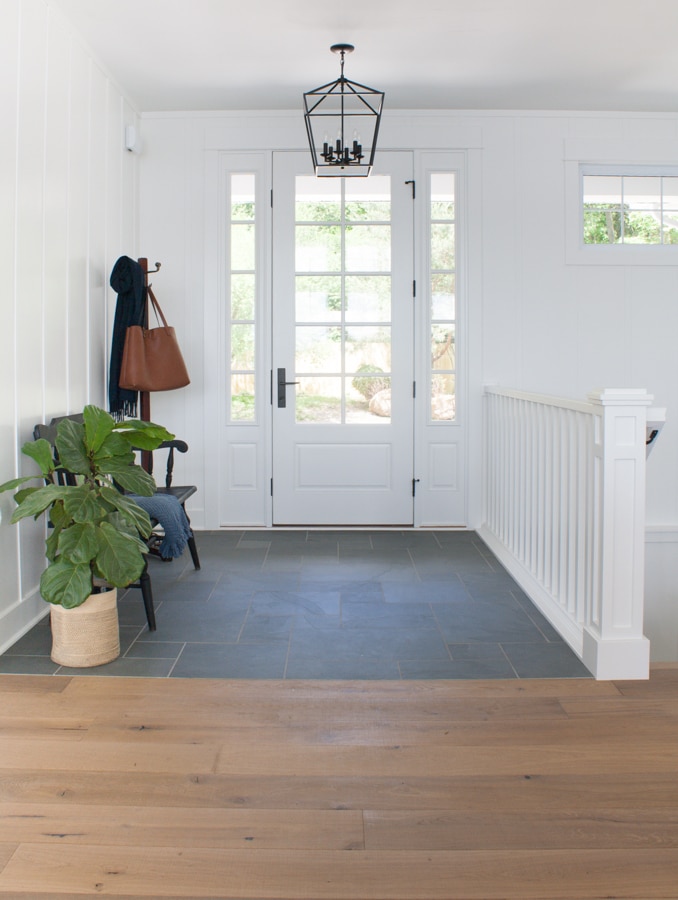
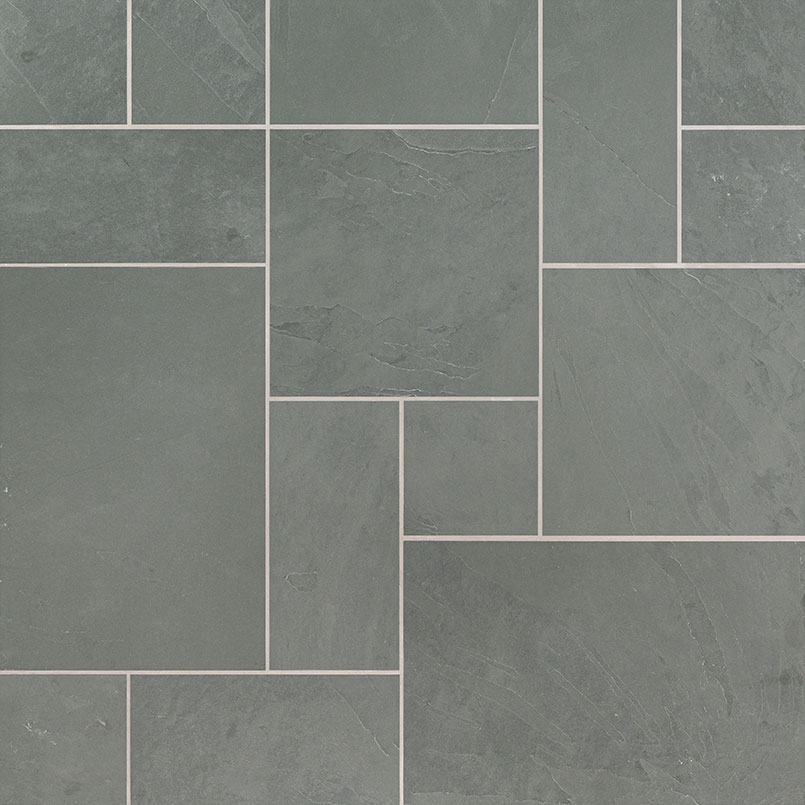
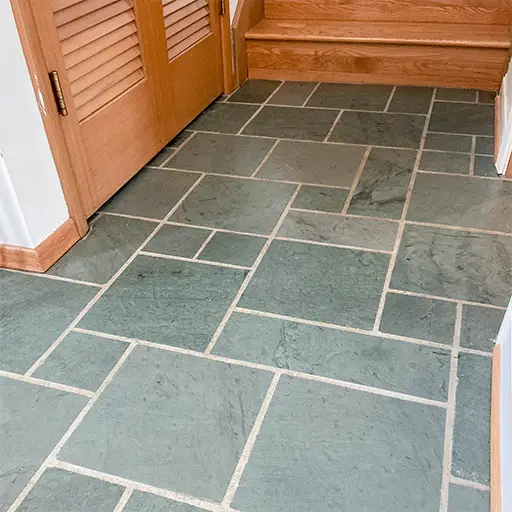
The first thing that shocked me about modern slate laminate flooring was how far the technology has advanced. When I compared samples side by side, I had to look closely to distinguish the laminate from actual slate tiles. The high-definition printing techniques used today capture every natural variation, from the subtle color shifts to the characteristic split surface texture that makes slate so appealing. My chosen slate laminate featured four different tile patterns that rotate throughout the installation, preventing the repetitive appearance that plagued older laminate products.
The embossed texture was what really sold me on the realism. Each plank features a tactile surface that mimics the natural cleaving marks and subtle roughness of genuine slate. When I run my hand across the surface, it feels authentically stone-like rather than plastic or artificial. The manufacturers use specialized pressing techniques that align the texture precisely with the printed image, so raised areas correspond exactly with the lighter portions of the slate pattern, creating a convincing three-dimensional effect.
What impressed me most was how the laminate handles light reflection compared to flat printed surfaces. Real slate has subtle variations in how different areas catch and reflect light, and this laminate reproduces that characteristic beautifully. Throughout the day, as natural light changes in my kitchen, the floor responds with the same subtle shifts in appearance that I observed in actual slate showroom samples. The depth and realism achieved through modern manufacturing techniques truly amazed me.

Installation Process and DIY Considerations
Installing slate laminate flooring turned out to be much more manageable than I anticipated, even as someone with limited flooring experience. The click-lock system made assembly straightforward, and unlike real slate installation, which requires professional skills and specialized tools, I was able to complete my entire kitchen over a long weekend. The planks are much lighter than stone tiles, making handling and maneuvering around cabinets and appliances significantly easier than traditional tile work would have been.
The preparation phase was crucial but not overly complicated. I spent considerable time ensuring the subfloor was completely level, using a self-leveling compound in a few spots where minor dips existed. Unlike real slate, which can accommodate some subfloor irregularities with mortar adjustments, laminate flooring requires a perfectly flat surface to prevent gaps and squeaking. I also installed a vapor barrier, which was essential for preventing moisture issues that could damage the laminate core over time.
One challenge I didn’t anticipate was cutting the slate-pattern laminate around complex shapes like cabinet toe kicks and appliance cutouts. The realistic slate texture made it harder to see pencil marking lines clearly, so I learned to use painter’s tape to mark cut lines more visibly. A fine-tooth blade in my circular saw minimized chipping on the decorative surface, and I practiced on scrap pieces first to perfect my technique. Taking time with these detailed cuts made the difference between a professional-looking installation and an obviously DIY result.

Durability Performance in High-Traffic Areas
After eight months of daily family use, I’m genuinely impressed by how well my slate laminate flooring has held up in our busy kitchen. The AC4 rating I chose was specifically designed for heavy residential use, and it’s proven its worth with two teenagers, a dog, and constant cooking activity. The surface shows virtually no wear patterns, even in front of the sink and stove, where we spend the most time. The protective wear layer has effectively resisted scratches from dropped utensils, chair legs, and even the occasional dragged appliance.
The realistic texture that initially attracted me has proven to be more than just aesthetic; it actually helps hide minor scratches and scuffs that would be obvious on smooth flooring surfaces. Small imperfections blend into the natural-looking slate texture rather than standing out as obvious damage. This forgiving characteristic has been particularly valuable with our active household, where perfect floor care isn’t always realistic. Even areas that see heavy foot traffic still look nearly new.
One durability surprise has been how well the slate laminate handles impact damage. I was concerned that the stone-look surface might chip or crack like ceramic tile, but several dropped cast-iron pans and kitchen accidents have left no visible damage. The laminate construction provides some flexibility that absorbs impact energy rather than transferring it directly to the surface layer. This resilience gives me confidence that the flooring will maintain its appearance for many years to come.
Maintenance and Cleaning Realities
Daily maintenance of slate laminate flooring has been refreshingly simple compared to what I expected from researching natural slate care requirements. Regular sweeping or vacuuming removes grit that could potentially scratch the surface, and weekly damp mopping with a microfiber mop keeps everything looking clean and fresh. Unlike real slate that requires periodic sealing and special cleaners, my laminate needs only pH-neutral floor cleaner and basic care to maintain its appearance.
The textured surface that mimics slate does require slightly different cleaning techniques than smooth laminate. I found that a spray mop works better than a traditional string mop because it allows me to work cleaning solution into the textured areas more effectively. The realistic surface pattern actually helps hide everyday dust and minor debris between cleanings, which means the floor looks consistently clean even with normal household activity between thorough cleanings.
Spill cleanup has been much easier than I feared, especially in a kitchen environment. The moisture-resistant surface allows me to clean up spills immediately without worrying about staining or damage. Even stubborn spills like wine or tomato sauce wipe away cleanly without leaving permanent marks. The only maintenance consideration I’ve discovered is avoiding excessive water during mopping, since standing water could potentially seep into joints and cause swelling in the laminate core over time.

Cost Analysis and Value Comparison
The financial advantage of choosing slate laminate over natural slate was substantial and ultimately made my kitchen renovation possible within budget. I paid approximately $3.50 per square foot for high-quality slate laminate, compared to $8-15 per square foot that natural slate would have cost, not including the significantly higher installation costs that professional stone work requires. The total savings allowed me to upgrade other aspects of my kitchen renovation that wouldn’t have been possible with a natural stone budget.
When I factor in the DIY installation savings, the cost difference becomes even more dramatic. Professional slate installation would have added another $5-8 per square foot to the project, while I completed the laminate installation myself over a weekend with basic tools. The time investment was significant but manageable, and I gained valuable experience and satisfaction from completing the work myself. The money saved went toward higher-end appliances that have improved our daily kitchen experience.
The long-term value equation also favors laminate flooring in my situation. While natural slate might theoretically last longer, it would require periodic sealing, potential repairs to cracked tiles, and more complex maintenance over the years. My slate laminate comes with a 25-year residential warranty and requires minimal ongoing maintenance costs. For a busy family kitchen, the practical advantages and lower total cost of ownership make laminate the smarter financial choice.

Design Integration and Aesthetic Impact
Integrating slate laminate flooring into my overall kitchen design required careful consideration of how it would interact with other materials and finishes. The neutral gray tones of my chosen slate pattern work beautifully with both warm and cool color palettes, providing flexibility as I update other design elements over time. The natural stone appearance adds sophisticated texture that grounds the space without overwhelming other design features like my subway tile backsplash and white cabinetry.
The large-format tiles I selected, measuring 12×24 inches, create a more authentic slate appearance than smaller tiles would have achieved. This sizing also reduces the number of grout lines, though laminate doesn’t actually have grout, creating a cleaner, more contemporary look that suits my modern kitchen aesthetic. The subtle variation between tiles prevents the repetitive appearance that can make laminate flooring look obviously artificial.
Lighting plays a crucial role in showcasing the realistic qualities of slate laminate flooring. Under my pendant lights and natural window light, the textured surface creates subtle shadows and highlights that change throughout the day, just like natural stone would. This dynamic quality adds visual interest and depth to the kitchen, making the space feel more sophisticated and intentionally designed. The flooring has become a foundational design element that ties together all the other finishes in the space.

How realistic does slate laminate flooring actually look compared to real slate?
I was amazed by the realism. Side-by-side with actual slate samples, I had to look closely to tell the difference. The high-definition printing and embossed texture capture the natural variations beautifully. The four different tile patterns on my floor prevent repetitive appearance. Even eight months later, guests consistently ask if it’s real stone.
What’s the durability like for slate laminate in kitchens with heavy use?
Excellent durability so far. My AC4-rated laminate handles dropped pans, chair scraping, and constant foot traffic with minimal visible wear. The textured surface hides minor scratches that would be obvious on smooth flooring. No chipping or cracking like I worried about. It’s held up better than I expected with two teenagers and a dog.

How difficult is DIY installation for someone with limited experience?
Manageable for most DIYers. The click-lock system is straightforward, and it’s much easier than real tile work. The key is ensuring a perfectly level subfloor and taking time with detail cuts around cabinets. I completed my kitchen over the weekend. The realistic texture makes marking cut lines trickier, but painter’s tape helps.
What’s the cost difference between slate laminate and real slate?
Huge savings. I paid $3.50 per square foot for quality slate laminate versus $8-15 for natural slate, plus much higher installation costs. DIY installation saved another $5-8 per square foot. The total savings allowed me to upgrade other parts of my renovation that wouldn’t have been possible otherwise.

How do you clean and maintain slate laminate flooring?
Much simpler than real slate. Regular sweeping and weekly damp mopping with pH-neutral cleaner keep it looking great. The textured surface needs a spray mop to work into crevices effectively. No sealing is required, like natural stone. Spills wipe up easily without staining. Just avoid excessive water during cleaning.
Does slate laminate flooring add value to your home?
While not as premium as natural stone, quality laminate flooring definitely adds value, especially in kitchens. The realistic appearance and durability impress potential buyers. The key is choosing high-quality products with good warranties. Most people can’t tell it’s not real slate unless they look very closely or touch the surface.

Montauk Blue Slate Tile Slate Flooring Slate Countertops
Colours Leggiero Blue Slate Tile Effect Laminate Flooring 1.72m²

Blue Slate Entry Way Tile – The Lilypad Cottage
Slate Floors – Stripping & Refinishing
Montauk Blue Slate Tile Slate Flooring Slate Countertops
Related articles: