When I took over my family’s struggling restaurant three years ago, the worn-out ceramic tile flooring was one of many problems that needed immediate attention. The grout lines had become permanently stained, several tiles were cracked, and the overall appearance was driving customers away before they even tried our food.
After researching various commercial flooring options and consulting with contractors, I decided to install commercial-grade laminate flooring throughout the dining area and kitchen. This decision transformed not only the look of our restaurant but also taught me valuable lessons about durability, maintenance, and cost-effectiveness that I wish I’d known from the beginning.
Understanding Commercial vs. Residential Grade Differences
My first major learning experience came when I discovered that commercial laminate flooring operates in a completely different category from the residential products I’d seen in home improvement stores. Commercial grade laminate typically features AC ratings of 4 or 5, indicating exceptional durability for high-traffic environments, while most residential products max out at AC3. The wear layer thickness in commercial products ranges from 0.7mm to 1.5mm, significantly thicker than residential options, which directly impacts longevity and appearance retention under constant foot traffic.
The core construction differences became apparent during installation when I noticed how much denser and heavier commercial planks felt compared to residential samples. Commercial laminate uses high-density fiberboard cores that resist moisture better and provide superior stability under varying temperature and humidity conditions. This proved crucial in my restaurant kitchen, where temperature fluctuations and occasional spills are daily realities. The locking mechanisms are also engineered differently, with more robust joints that maintain tight connections even under heavy commercial use.
I learned that commercial laminate flooring must meet specific safety standards that residential products don’t require, including slip resistance ratings and fire safety certifications. The surface textures are designed to provide better traction when wet, which becomes invaluable during busy dinner rushes when spills are inevitable. These safety features came with additional costs, but the peace of mind and reduced liability concerns made the investment worthwhile. Understanding these fundamental differences helped me make informed decisions about which specific products would best serve my restaurant’s needs.

Installation Challenges in Commercial Settings
Installing commercial laminate in my restaurant presented unique challenges that I hadn’t anticipated from residential flooring projects. The sheer volume of material required careful planning and coordination, as I needed to install over 2,000 square feet while keeping the restaurant operational. I learned that commercial installations require more precise subfloor preparation, including moisture testing and leveling that goes beyond typical residential standards. Uneven areas that might be acceptable in homes can cause premature wear and warranty voidance in commercial applications.
The installation process itself proved more complex due to the need for expansion joints and transition strips at specific intervals. Commercial laminate installations require expansion gaps every 40 feet in both directions, which meant strategic planning to hide these joints under tables or along natural room divisions. I discovered that professional installation was essential, not just recommended, because improper installation voids warranties and can lead to expensive failures. The installers used specialized tools and techniques that ensured proper acclimation and floating floor movement.
Timing became critical as I learned that commercial laminate needs to acclimate for 48-72 hours before installation, longer than residential products. This meant coordinating delivery, storage space, and installation schedules while minimizing business disruption. I arranged for installation during our slow season and worked with contractors who could complete sections efficiently. The professional installation cost was significant, about $3 per square foot on top of material costs, but the expertise prevented costly mistakes and ensured warranty protection that justified the investment.
Durability Performance in High-Traffic Environments
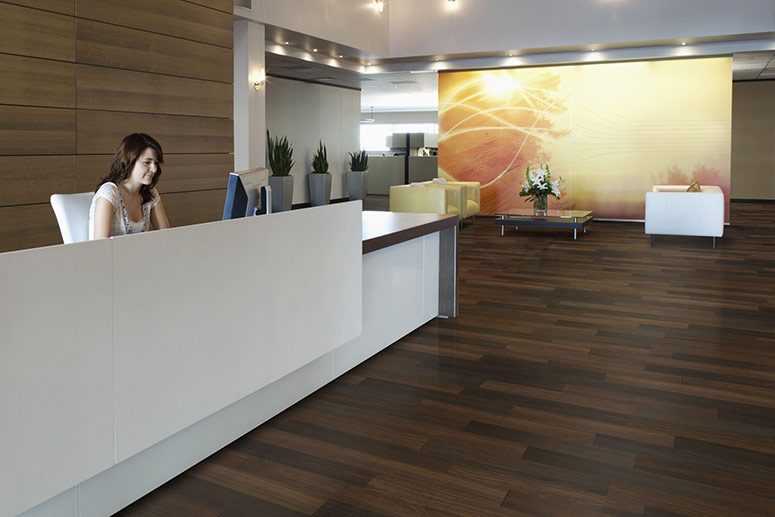
After three years of heavy restaurant use, I can confidently say that commercial laminate flooring exceeded my durability expectations in ways that surprised me. Our dining room sees hundreds of customers daily, with chairs constantly sliding across the floor, dropped utensils, and the occasional spilled drink or food item. The surface has maintained its appearance remarkably well, showing minimal wear patterns even in the highest-traffic areas near the entrance and main walkways. The wear layer has proven its worth, protecting the decorative layer underneath from scratches and maintaining the wood-grain appearance that gives our restaurant its warm, welcoming atmosphere.
The resistance to impacts became evident during our busiest periods when servers occasionally drop plates or heavy serving trays. While ceramic tile would have chipped or cracked, the laminate absorbed these impacts without visible damage. I’ve been particularly impressed with how well the floor handles chair legs and table movements, which was a major concern given that furniture rearrangement happens frequently for private events and deep cleaning. The locking system has remained tight, with no separation or gaps developing even after thousands of hours of commercial use.
One unexpected benefit was how well the flooring handled kitchen spills that occasionally made their way into the dining area. Grease, sauces, and other food-related stains clean up easily without penetrating or staining the surface. I learned that immediate cleanup is still important, but the margin for error is much greater than with porous materials like natural stone or unfinished wood. The slip-resistant surface texture has prevented accidents even when floors become wet, providing the safety performance that’s crucial in commercial food service environments.
Maintenance Requirements and Cost Analysis
Managing the maintenance of commercial laminate flooring taught me that while daily care is straightforward, establishing proper routines is essential for protecting the substantial investment. I developed a cleaning protocol that includes sweeping or dry mopping multiple times daily to remove debris that could scratch the surface, followed by damp mopping with pH-neutral cleaners specifically designed for laminate floors. I learned the hard way that using harsh chemicals or excessive water can damage the seams and cause warping, so staff training on proper cleaning techniques became crucial.
The long-term maintenance costs have proven much lower than our previous ceramic tile, which required regular grout cleaning, sealing, and tile replacement. With laminate, I budget approximately $200 monthly for cleaning supplies and occasional deep cleaning services, compared to the $500-800 we previously spent on tile maintenance and repairs. The time savings are equally significant, as daily cleaning takes our staff about half the time it took to properly maintain grout lines and keep ceramic surfaces looking professional.
I invested in commercial-grade floor mats at all entrances and high-traffic areas, which has significantly extended the flooring’s life by reducing tracked-in dirt and moisture. These mats cost about $300 initially but have prevented thousands of dollars in potential floor damage and replacement costs. The key insight was treating maintenance as an investment rather than an expense, understanding that proper care protects the floor’s appearance and extends its useful life well beyond the manufacturer’s warranty period.

Design Options and Aesthetic Considerations
Selecting the right design for my restaurant’s commercial laminate flooring required balancing aesthetic appeal with practical considerations that don’t factor into residential decisions. I learned that while commercial laminate offers many attractive options, the patterns and colors that photograph beautifully in brochures don’t always work well in commercial settings with varying lighting conditions and heavy use patterns. Darker colors showed every speck of dust and required more frequent cleaning, while very light colors revealed stains more readily despite being easier to clean.
I ultimately chose a mid-tone wood grain pattern that mimicked reclaimed barn wood, which complemented our rustic farm-to-table concept while hiding minor scuffs and daily wear. The texture was deep enough to feel authentic underfoot but not so pronounced that it trapped dirt or made cleaning difficult. I discovered that commercial laminate planks are typically wider and longer than residential versions, which created fewer seam lines and a more upscale appearance that enhanced our dining atmosphere significantly.
The installation pattern became another important design decision that affected both aesthetics and performance. I chose a traditional straight installation rather than diagonal or herringbone patterns because it minimized waste, reduced installation costs, and created clean sight lines that made the space appear larger. The consistent grain direction helped guide traffic flow naturally through the restaurant while creating the warm, welcoming atmosphere that encourages customers to linger and return. These design choices proved that commercial flooring doesn’t have to sacrifice beauty for functionality.
Long-Term Value and Return on Investment
Three years into ownership of my restaurant with commercial laminate flooring, I can calculate the return on investment with real numbers that demonstrate the value of choosing quality commercial-grade products. My initial investment was approximately $8,000 for materials and professional installation, compared to $12,000 for ceramic tile or $15,000 for hardwood alternatives. The laminate has required minimal maintenance costs and no repairs, while the previous ceramic floor needed $2,000 annually in grout cleaning, sealing, and tile replacement before I took over.
The improved appearance has had a measurable impact on customer satisfaction and repeat business, though it’s difficult to quantify exactly how much the flooring contributes versus other improvements I’ve made. However, customer comments frequently mention the warm, inviting atmosphere, and I believe the consistent, attractive flooring plays a significant role in creating positive first impressions. The professional appearance has also helped us book more private events and corporate meetings, which generate higher profit margins than regular dining service.
Looking ahead, I expect the commercial laminate to maintain its appearance and performance for at least another seven to ten years based on current wear patterns and manufacturer specifications. This projected lifespan, combined with minimal ongoing costs, makes the effective annual cost approximately $800-1,000, significantly less than the $3,000+ annual costs associated with maintaining and replacing ceramic tile. The peace of mind that comes with reliable, attractive flooring allows me to focus on food quality and customer service rather than worrying about floor repairs and maintenance emergencies.

How does commercial laminate hold up against spills and moisture?
In my restaurant experience, commercial laminate handles spills much better than I expected. Quick cleanup is important, but the surface resists staining and water damage well. I’ve had wine, coffee, and grease spills that cleaned up completely. The key is using proper installation with sealed seams and immediate spill response protocols.
Is the higher cost of commercial grade worth it for business use?
Absolutely. I spent about 40% more than residential grade initially, but the durability difference is dramatic. After three years of heavy restaurant traffic, my floor looks almost new. Residential grade would have needed replacement by now. The warranty protection and performance justify the extra investment for commercial applications.

How long does commercial laminate typically last in high-traffic settings?
Based on my research and experience, quality commercial laminate should last 10-15 years in high-traffic commercial environments with proper maintenance. My restaurant sees heavy daily use, and after three years, I expect at least seven more years of good performance. Manufacturer warranties typically cover 10-25 years for commercial applications.
Can I install commercial laminate myself to save money?
I strongly recommend professional installation for commercial applications. The subfloor preparation, expansion joint requirements, and installation precision needed for warranty coverage are beyond typical DIY skills. Improper installation voids warranties and can lead to expensive failures. Professional installation protects your investment and ensures optimal performance.
What maintenance schedule should I follow for commercial laminate?
I sweep or dry mop multiple times daily to remove debris, wet mop with pH-neutral cleaner daily, and deep clean monthly. Use entrance mats to reduce tracked dirt. Avoid harsh chemicals and excessive water. Train staff on proper cleaning techniques. This routine keeps my restaurant floor looking professional while protecting the investment.
How does commercial laminate compare to other commercial flooring options?
Commercial laminate offers the best balance of appearance, durability, and cost for my restaurant. It’s more attractive than vinyl composition tile, more durable than residential products, less expensive than hardwood, and easier to maintain than ceramic tile. The realistic wood appearance creates warmth that customers appreciate while providing commercial-grade performance.

Related articles: