When I decided to replace the outdated carpet in my home last year, I knew I wanted something sustainable, durable, and visually striking. Dark coffee bamboo flooring caught my eye immediately with its rich, chocolatey tones and sophisticated appearance. I’d heard that bamboo was an eco-friendly alternative to hardwood, but I wasn’t sure if it would hold up to my active household with two dogs and a tendency to rearrange furniture frequently.
After extensive research, consultations with flooring experts, and now over a year of living with my dark coffee bamboo floors, I can honestly say it was one of the best home improvement decisions I’ve ever made. The warmth and elegance it brings to my space exceeded my expectations in every way.
Understanding the Carbonization Process Behind Dark Coffee Tones
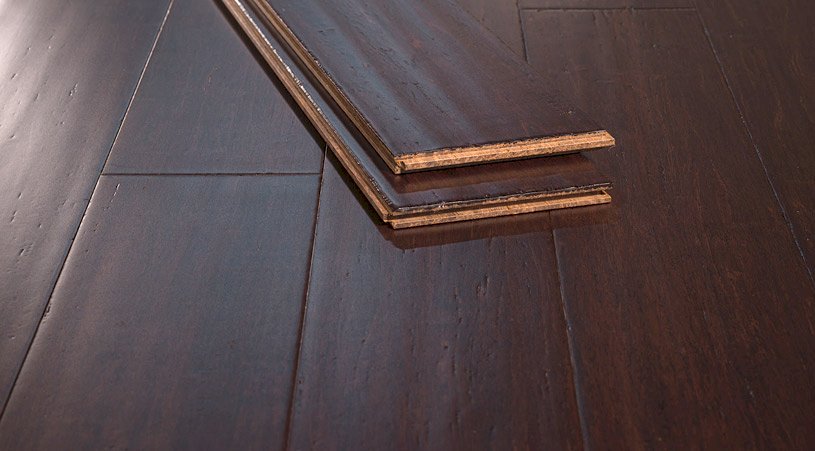
I was fascinated to learn that the deep, rich color of dark coffee bamboo isn’t achieved through staining like traditional hardwood. Instead, it comes from a process called carbonization, where bamboo is exposed to high heat and pressure that caramelizes its natural sugars. When I visited the showroom, the sales associate explained that this process fundamentally changes the bamboo’s color throughout the entire plank, not just on the surface. I found this incredibly appealing because it meant that minor scratches or dings wouldn’t reveal a different color underneath, like they might with stained wood.
The carbonization process does more than just create that gorgeous dark tone I fell in love with. During my research phase, I discovered that it also makes the bamboo slightly softer than natural or strand-woven varieties. This concerned me initially, but my flooring installer assured me that for residential use, carbonized bamboo still provides excellent durability.
I’ve found this to be true in my own home, where the floors have handled daily wear beautifully. The slight softness actually makes the floor more comfortable underfoot, which I appreciate when I’m walking around barefoot in the mornings.
One thing I wish I’d known earlier is that carbonized bamboo requires a bit more care to maintain its beauty. The darker color can show dust and light scratches more readily than lighter bamboo options. I’ve adapted by using microfiber mops for cleaning and placing protective pads under all my furniture legs. I also make sure to trim my dogs’ nails regularly to prevent scratching. These small maintenance habits have kept my floors looking nearly as good as the day they were installed, and the deep coffee color continues to create that warm, inviting atmosphere I wanted in my home.
Choosing Between Solid and Engineered Dark Bamboo
When I started shopping for my dark coffee bamboo, I quickly discovered there were two main construction types to consider: solid and engineered. Solid bamboo planks are made entirely from bamboo throughout their thickness, while engineered bamboo has a bamboo wear layer on top of a plywood or high-density fiberboard core. I spent hours researching both options because I wanted to make an informed decision that would suit my specific needs and home conditions. Understanding the differences helped me avoid costly mistakes.
I ultimately chose engineered dark coffee bamboo for my main living areas, and I’m really happy with that decision. My home is built on a concrete slab, and I learned that engineered bamboo is much more stable in environments where moisture levels can fluctuate. The multi-layer construction resists expansion and contraction better than solid bamboo, which was important for my climate with its humid summers and dry winters. My installer also mentioned that engineered bamboo could be installed over radiant heating systems, which I’m considering adding in the future. The versatility gave me more options.
For my upstairs bedrooms, I installed solid dark coffee bamboo because those rooms have traditional wood subfloors and more stable temperature conditions. The solid bamboo feels slightly more substantial underfoot, and I liked knowing it could potentially be refinished more times than engineered wood if needed decades down the road. The cost difference wasn’t huge between the two types, maybe 10-15% more for the solid option. Having both types in my home has taught me that they both look equally beautiful, and most guests can’t tell the difference. The choice really comes down to your specific installation conditions rather than aesthetics.

Installation Methods That Work Best for Bamboo
I learned during my flooring project that the installation method matters tremendously for bamboo’s long-term performance. My contractor recommended a floating installation for my engineered dark coffee bamboo, which means the planks click together and rest on an underlayment without being nailed or glued to the subfloor. This method allows the floor to expand and contract naturally with humidity changes, which is crucial for maintaining its integrity. I was initially skeptical about a floor that wasn’t permanently attached, but it’s been incredibly stable and shows no signs of separation or movement.
The underlayment selection turned out to be more important than I realized. My installer used a premium underlayment with a built-in moisture barrier, which protects my bamboo from any moisture that might come up through the concrete slab. We also added an acoustic underlayment in the upstairs rooms to reduce sound transmission between floors. This made a noticeable difference in how quiet my home feels, and I no longer hear every footstep from the second floor. I spent about $0.75 per square foot on quality underlayment, and it was absolutely worth the investment for the protection and comfort it provides.
For the solid bamboo in my bedrooms, we used the nail-down installation method over the wood subfloor. This traditional approach involves using a pneumatic flooring nailer to secure each plank through the tongue at specific intervals. I watched my installer work and was impressed by how precise and methodical the process was. He left expansion gaps around the perimeter that would later be hidden by baseboards, which allows the floor room to move without buckling. The nail-down method took longer than floating installation, but it created an incredibly solid feel that I really appreciate in the bedrooms where I wanted that premium, permanent quality.

Coordinating Dark Coffee Bamboo With Different Design Styles
I’ll admit I was initially worried that dark flooring might make my rooms feel smaller or too dark, but I’ve found the opposite to be true. The rich coffee tones actually ground my spaces and provide a beautiful contrast against my light-colored walls and furniture. I painted my walls a warm white with slight gray undertones, which allows the floor to be a statement without overwhelming the space. The combination creates a sophisticated, gallery-like backdrop that makes my furniture and decor really pop. I’ve received so many compliments on how pulled-together and intentional my rooms look now.
My home has a transitional style that blends traditional and contemporary elements, and the dark coffee bamboo works perfectly with this aesthetic. I paired it with a mix of mid-century modern furniture in walnut and teak, which echoes the warm brown tones of the flooring. I also incorporated lighter natural materials like jute rugs and linen upholstery to create contrast and visual interest. The bamboo’s subtle grain pattern is understated enough that it doesn’t compete with my furniture, yet interesting enough that it doesn’t read as boring or flat. It’s the perfect neutral foundation for my eclectic decorating style.
I’ve also noticed that the dark coffee bamboo makes my rooms feel more cohesive and spacious because the consistent flooring flows from room to room. In my previous home, I had different flooring in each room, which created visual breaks that made the space feel choppy and smaller. Now, the continuous dark flooring creates sight lines that draw the eye through the space, making my 1,800-square-foot home feel significantly larger. I used the same flooring throughout my main level, and it’s created a unified, upscale look that I absolutely love. The key is balancing the dark floors with plenty of light from windows and strategic lighting.

Maintaining and Protecting Your Dark Bamboo Investment
I quickly established a maintenance routine for my dark coffee bamboo that keeps it looking pristine without requiring excessive effort. I sweep or vacuum daily to remove dust and grit that could scratch the surface over time. For deeper cleaning, I use a barely damp microfiber mop with a pH-neutral bamboo floor cleaner once a week. I learned the hard way that too much water is bamboo’s enemy, so I make sure my mop is just slightly damp, never wet. This simple routine takes maybe ten minutes and has kept my floors looking beautiful without the buildup of cleaning product residue.
One of my best investments was a set of furniture pads and area rugs strategically placed in high-traffic zones. I put felt pads under every piece of furniture, and I replace them annually because they compress over time and lose effectiveness. In my entryway, I placed a large jute rug that catches dirt and moisture before it reaches the bamboo. I also have runners in my hallway and area rugs under my dining table and in the living room seating area. These precautions have prevented the wear patterns I’ve seen in friends’ homes where the finish gets worn down in specific paths.
The dark color does show light-colored debris more obviously than my previous lighter floors did, but I’ve found this actually encourages me to keep my home cleaner, which isn’t a bad thing. Pet hair from my dogs is more visible, so I vacuum more frequently than I used to. I also discovered that using a slightly darker grout or filler in any gaps makes imperfections far less noticeable. My installer filled the expansion gaps at the edges with a flexible caulk in a coordinating brown color before installing baseboards, which created a seamless, professional look. Taking these preventive measures has protected my investment and ensured my floors will look great for many years to come.

Environmental Benefits and Sustainability Considerations
One of the primary reasons I chose dark coffee bamboo was its environmental sustainability, and I’m glad I took the time to understand what makes it an eco-friendly choice. Bamboo is technically a grass that grows incredibly quickly, reaching maturity in just three to five years compared to hardwood trees that take 30 to 100 years. This rapid growth rate means bamboo can be harvested much more frequently without depleting forests. When I learned this, I felt good about my choice knowing I was selecting a renewable resource that doesn’t contribute to deforestation.
I also discovered during my research that bamboo naturally regenerates from its root system after harvesting, so it doesn’t need to be replanted like trees do. The root structure remains intact and sends up new shoots, creating a self-sustaining cycle. This was important to me because I try to make environmentally conscious choices whenever possible. I specifically looked for bamboo flooring with certifications from the Forest Stewardship Council or similar organizations that verify sustainable harvesting practices. My flooring came with these certifications, which gave me confidence that I was supporting responsible manufacturers.
The manufacturing process for my dark coffee bamboo also uses significantly less energy than producing traditional hardwood flooring. Because bamboo grows so densely and quickly, there’s less transportation and processing required. I learned that some bamboo flooring manufacturers use formaldehyde-free adhesives and water-based finishes, which improve indoor air quality compared to some conventional flooring options. I made sure to ask about VOC emissions and chose a product with low emissions certification. Knowing that my beautiful floors are also better for the environment and my family’s health makes me appreciate them even more every day.

How does dark coffee bamboo compare to traditional hardwood in terms of durability?
In my experience over the past year, my dark coffee strand-woven bamboo has proven extremely durable and holds up comparably to oak or maple hardwood. The carbonization process does make it slightly softer than non-carbonized bamboo, but it’s still quite hard and resistant to dents. I’ve had furniture moved around, dropped kitchen items, and my two large dogs running across it daily, and it shows minimal wear. For residential use, I’ve found it performs excellently, though I’d recommend strand-woven varieties for the highest durability.
Is dark bamboo flooring suitable for kitchens and high-moisture areas?
I installed my dark coffee bamboo throughout my main floor, including the kitchen, and it’s performed well with proper precautions. Bamboo is naturally somewhat moisture-resistant, but I’m careful to wipe up spills immediately and use mats near the sink. I wouldn’t recommend it for full bathrooms due to standing water concerns, but in my kitchen, where I’m mindful about moisture, it’s been perfect. The key is choosing engineered bamboo with a good moisture barrier and maintaining vigilance about water exposure.

Will the dark color fade over time with sun exposure?
This was a concern of mine too, and I’ve noticed some very slight lightening in the areas that get direct afternoon sun, but it’s minimal after a year. I use UV-protective window film on my south-facing windows and keep sheer curtains drawn during peak sun hours. The carbonization process colors the bamboo throughout, so any fading is gradual and subtle. I’ve also read that all wood flooring, including hardwood, can experience some color change with sun exposure, so this isn’t unique to bamboo. Regular maintenance and sun protection help preserve the rich coffee color.
How much did you spend per square foot for your dark coffee bamboo?
I paid around $4.50 per square foot for quality engineered dark coffee strand-woven bamboo, which I found to be quite reasonable. Prices I saw ranged from about $3 to $8 per square foot, depending on quality, construction type, and brand. Installation added another $3 to $4 per square foot, professionally done. Overall, my 1,200 square feet of flooring cost approximately $10,000, including installation, underlayment, and materials. This was competitive with mid-range hardwood pricing but gave me the sustainability benefits I wanted.

Can dark coffee bamboo be refinished if it gets scratched or damaged?
Solid bamboo can typically be refinished one to three times, depending on plank thickness, similar to hardwood. My engineered bamboo has a wear layer that’s about 3mm thick, which means it could potentially be lightly sanded and refinished once, if needed in the future, though my flooring specialist recommended against it unless necessary. The good news is that the carbonization colors the bamboo all the way through, so scratches aren’t as noticeable as they would be with stained wood. I’ve found that using touch-up markers for minor scratches works well.
Does dark bamboo flooring work with underfloor heating systems?
Yes, and this was actually one reason I chose engineered bamboo over solid. My flooring is compatible with radiant heating, though I haven’t installed it yet. The engineered construction is more dimensionally stable with temperature changes compared to solid bamboo. If you’re considering radiant heat, make sure to buy bamboo specifically rated for this use and follow manufacturer guidelines for maximum temperature settings. My installer mentioned keeping the system below 80°F to prevent any potential issues with the bamboo drying out or the adhesives breaking down over time.

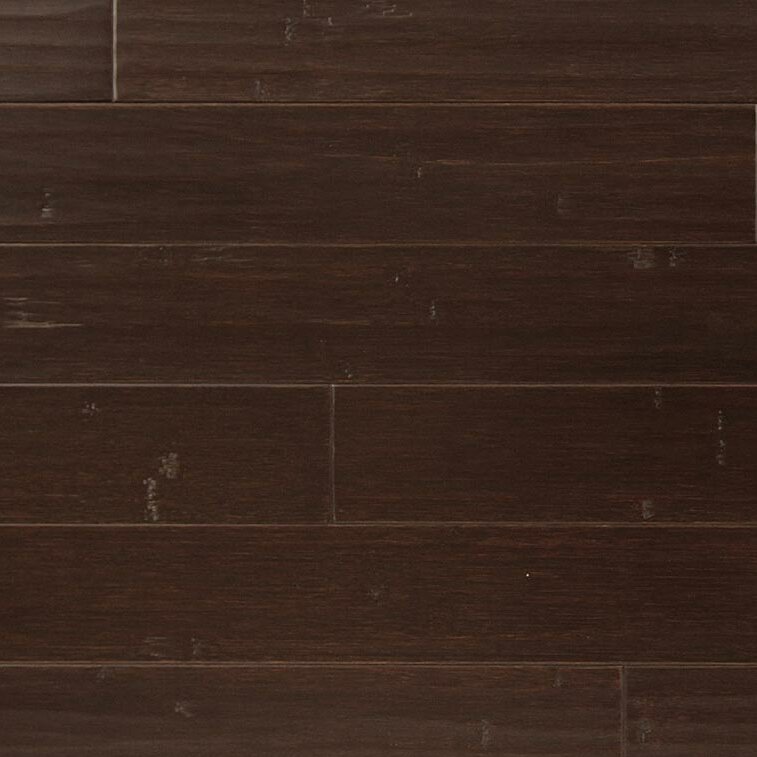
Handscraped Strand Woven Bamboo Flooring

Easoon USA Bamboo Flatten 5/8″ Thick x 3 3/4″ Wide x 38″ Length
Related articles:
- Dark Coffee Bamboo Flooring
- Carbonized Bamboo Flooring
- Cleaning Bamboo Floor
- How To Clean Bamboo Hardwood Floor
- How To Shine Bamboo Floors
- How To Repair Scratched Bamboo Floors
- Installing Engineered Bamboo Flooring
- Are Bamboo Floors Good For Kitchens?
- How To Clean Strand Woven Bamboo Floor
- Bamboo Kitchen Flooring Pros Cons