When I started researching eco-friendly flooring options for my home renovation two years ago, carbonized bamboo kept appearing in my searches, but I wasn’t sure what made it different from regular bamboo flooring. After months of investigation and living with it in my main living areas, I can tell you that carbonized bamboo has exceeded my expectations in both beauty and performance.
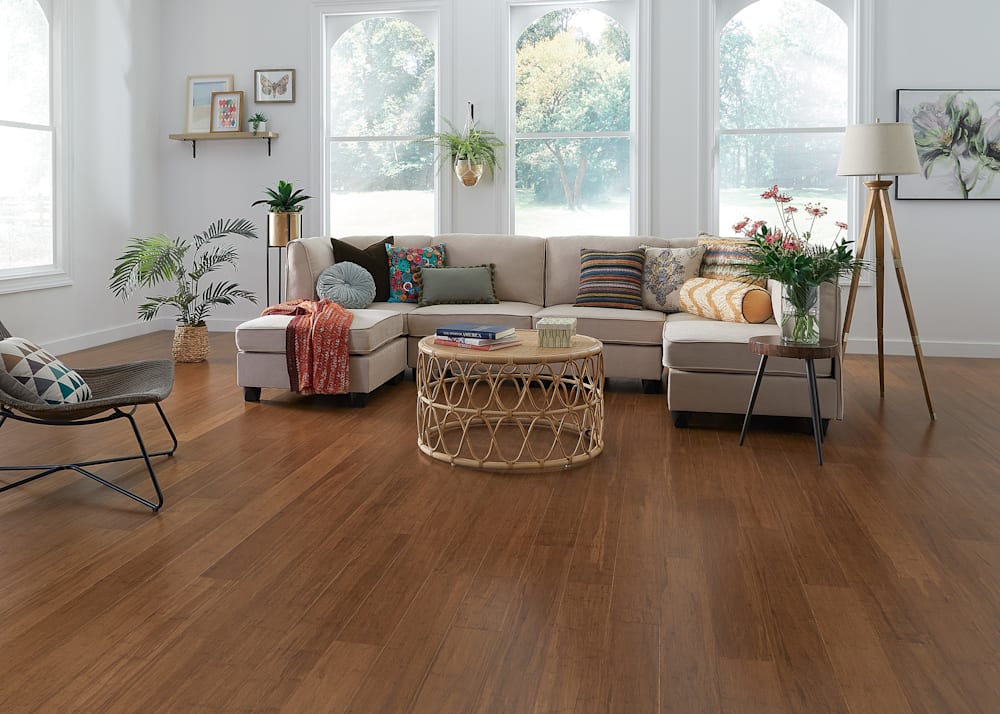
The rich, coffee-colored tones and unique grain patterns created by the carbonization process gave me the sophisticated look I wanted while satisfying my environmental consciousness. It’s been a perfect balance of sustainability and style that I’m excited to share with anyone considering this remarkable flooring option.
Understanding the Carbonization Process and Its Benefits
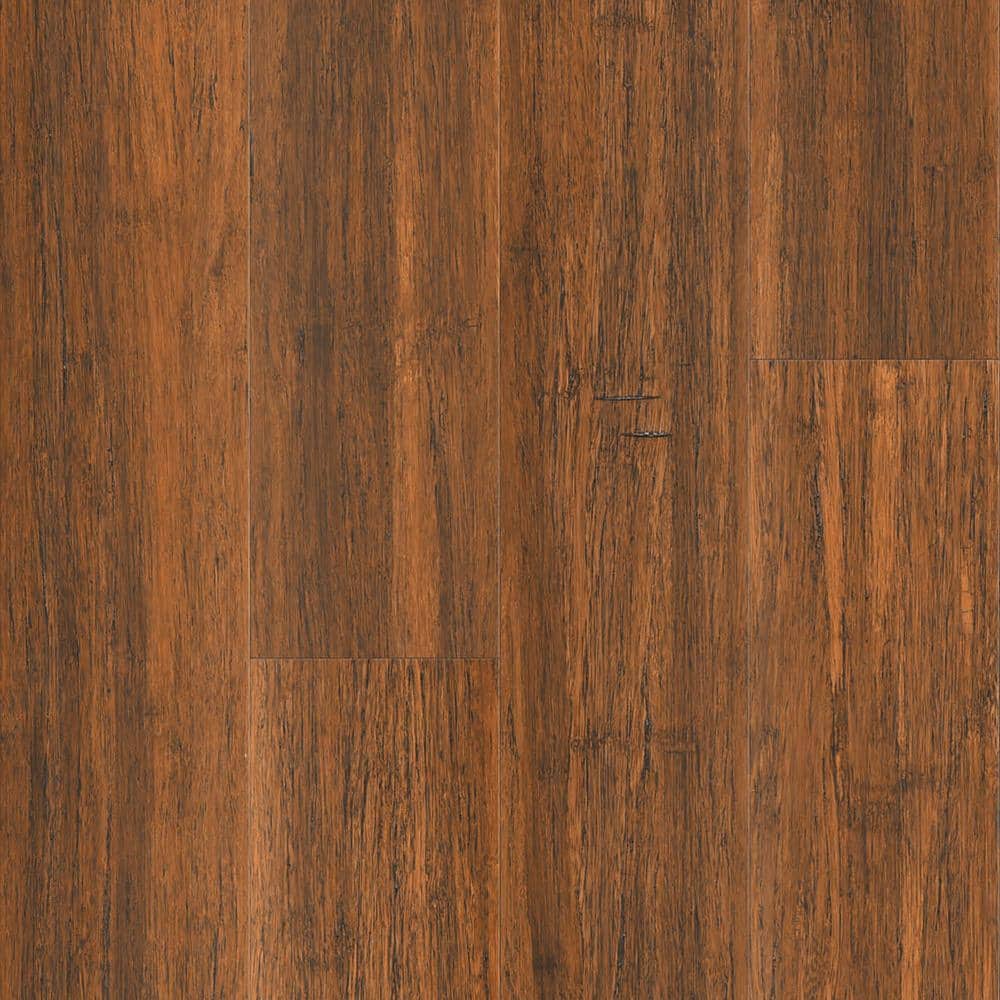
The carbonization process fascinated me when I first learned about it during my flooring research. Essentially, bamboo is heated under controlled conditions to caramelize its natural sugars, creating that gorgeous coffee to chocolate brown coloring that initially drew me to this material. Unlike staining, which adds chemicals and can wear off over time, carbonization changes the bamboo’s cellular structure, making the color permanent and integral to the material itself.
What really impressed me about carbonized bamboo was learning that this process uses the bamboo’s natural sugars rather than adding artificial colorants or chemicals. The heat treatment not only creates beautiful color variations and rich tones but also affects the material’s density and hardness characteristics. I discovered that while carbonization does reduce the bamboo’s hardness slightly compared to natural bamboo, it still maintains excellent durability for residential applications.
The environmental benefits of choosing carbonized bamboo aligned perfectly with my sustainability goals. Bamboo grows incredibly fast, regenerating from its root system without replanting, and the carbonization process doesn’t introduce harmful chemicals into my home environment. I felt good knowing that my flooring choice supported sustainable forestry practices while providing a premium appearance that rivals traditional hardwood floors at a fraction of the environmental cost.
Installation Experience and Preparation Requirements
Installing carbonized bamboo flooring proved more straightforward than I anticipated, though proper preparation was crucial for achieving professional results. My contractor emphasized the importance of acclimating the bamboo to my home’s humidity levels for at least 72 hours before installation. I learned that bamboo, like other natural materials, expands and contracts with moisture changes, and proper acclimation prevents gaps and buckling issues later.
The subfloor preparation required more attention than I initially expected, particularly regarding moisture control. My installer used a moisture meter to ensure the concrete subfloor was completely dry and applied a moisture barrier before beginning installation. This step proved essential because bamboo is more sensitive to moisture than some other flooring materials, and any residual moisture could cause warping or cupping over time.
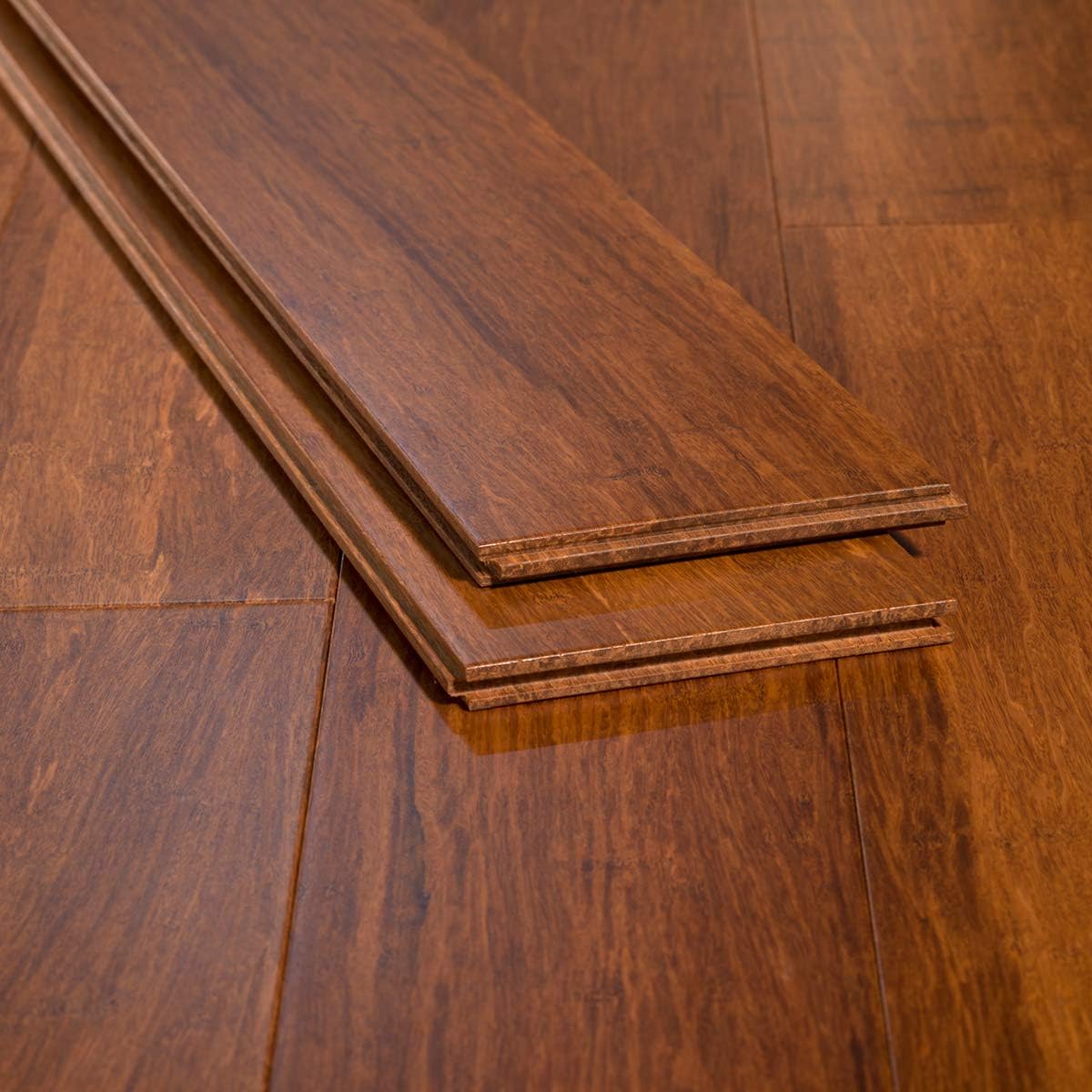
The actual installation process moved quickly once preparation was complete. The tongue-and-groove system made for efficient installation, and my contractor used a pneumatic flooring nailer for consistent, professional results. I was impressed by how the planks fit together seamlessly, creating clean lines and smooth transitions between rooms. The entire installation took two days for my 1,200 square foot area, including time for careful cutting around fixtures and doorways.

Daily Living with Carbonized Bamboo: Performance and Durability
Living with carbonized bamboo flooring for over two years has given me realistic insights into its daily performance characteristics. The surface holds up remarkably well to normal foot traffic, showing minimal wear even in high-traffic areas like my kitchen and entryway. The rich brown tones hide dust and minor scratches better than lighter-colored floors, making maintenance easier and keeping the floors looking clean between thorough cleanings.
My two dogs initially worried me, but the bamboo has handled their claws and occasional accidents better than expected. Small scratches from their nails aren’t noticeable unless you’re looking for them, and the natural color variations in carbonized bamboo help camouflage minor surface damage. I did learn to keep their nails trimmed and use area rugs in their favorite lounging spots to prevent concentrated wear patterns.
Temperature and humidity changes throughout the seasons caused some minor expansion and contraction, but nothing that affected the floor’s appearance or function. I maintain consistent humidity levels with a whole-house humidifier in winter and ensure good ventilation in summer. These precautions have kept the planks stable and prevented the gaps or cupping issues that can occur with dramatic moisture swings in bamboo flooring.

Maintenance Strategies That Preserve Beauty and Longevity
My daily maintenance routine for carbonized bamboo focuses on preventing dirt and grit buildup that could scratch the surface over time. I sweep or vacuum daily using a soft-bristled attachment, paying particular attention to entryways where tracked-in debris tends to accumulate. This simple habit has kept my floors looking new and prevented the surface dulling that occurs when abrasive particles get ground into the finish.
Weekly damp mopping with a bamboo-specific cleaner has proven essential for maintaining the floor’s luster and removing residue that dry cleaning can’t address. I learned to use minimal water and work in sections, drying each area immediately to prevent moisture from penetrating joints or causing water spots. The key is keeping the mop just barely damp rather than wet, as excess water can damage bamboo flooring over time.
Periodic deep cleaning and refinishing considerations became important as I learned about long-term bamboo care. While my floors still look excellent after two years, I understand that refinishing is possible but more limited than with traditional hardwood. The carbonization affects how deeply the bamboo can be sanded, so I focus on preventive care and protective measures like furniture pads and area rugs to extend the time between any necessary refinishing work.

Design Integration and Aesthetic Considerations
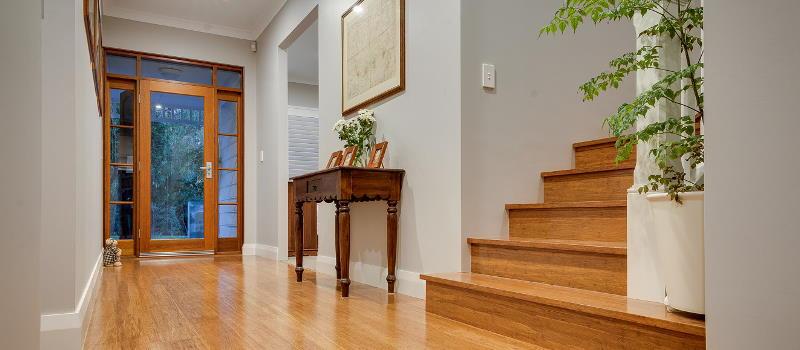
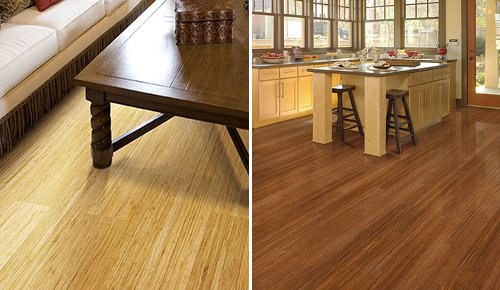
The rich, warm tones of carbonized bamboo created an excellent foundation for my interior design choices, working beautifully with both contemporary and traditional furniture styles. I found that the natural color variations in the carbonized bamboo eliminated the monotonous appearance that can occur with some engineered flooring products. Each plank has subtle differences in tone and grain pattern that create visual interest without being distracting or busy.
Lighting considerations became important for showcasing the bamboo’s natural beauty throughout different times of day. The darker tones absorb more light than lighter floors, so I adjusted my lighting plan accordingly, adding more ambient lighting to prevent the space from feeling too dark. Under-cabinet lighting in the kitchen and strategically placed floor lamps create warm pools of light that highlight the bamboo’s rich character.
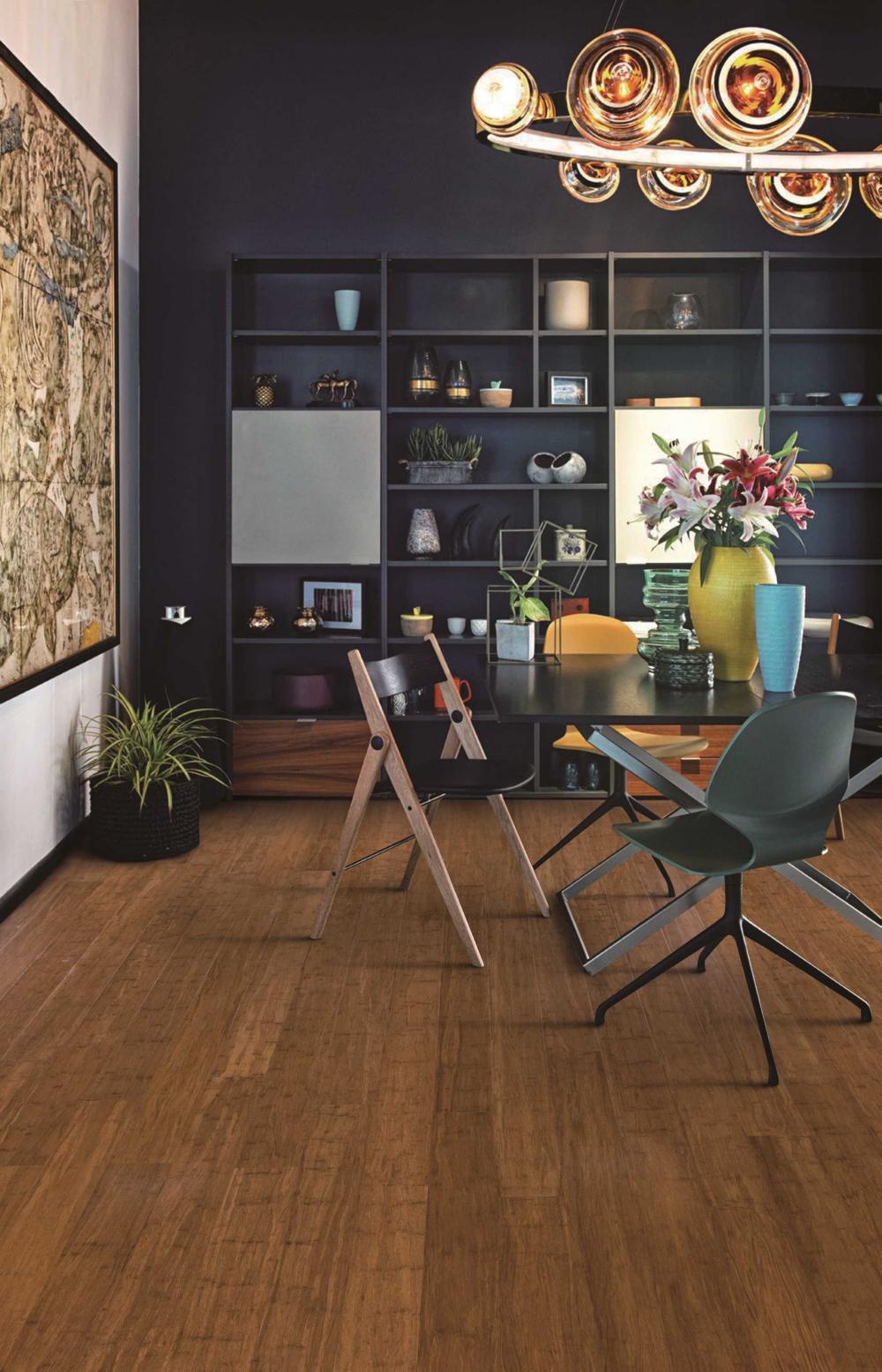
Color coordination with walls, furniture, and accessories required some adjustment from my previous lighter flooring, but the results have been stunning. I discovered that both light and dark color schemes work well with carbonized bamboo, though I gravitated toward warm whites, creams, and earth tones that complement the floor’s natural warmth. Bold accent colors like deep blues and forest greens create beautiful contrasts against the rich brown backdrop.

Cost Analysis and Long-Term Value Considerations
The initial cost of carbonized bamboo fell into the mid-range category for quality flooring options, significantly less expensive than comparable hardwood but more than basic laminate or vinyl alternatives. I calculated the cost per square foot including installation and found it competitive with mid-grade engineered hardwood, making it an attractive option for achieving a premium look without premium pricing. The environmental benefits added value that justified any small cost difference.
Installation costs proved reasonable because the material is relatively easy to work with and doesn’t require specialized tools or techniques. My contractor charged standard rates for tongue-and-groove installation, and the job progressed efficiently without complications that might increase labor costs. I also appreciated that bamboo’s lightweight nature made handling easier and reduced installation time compared to heavier flooring materials.
Long-term value considerations include both durability expectations and potential resale impact. While carbonized bamboo doesn’t have the same longevity reputation as traditional hardwood, the quality and appearance should provide many years of service with proper care. The growing awareness of sustainable building materials among homebuyers suggests that eco-friendly flooring choices like bamboo may become increasingly attractive selling points in the real estate market.
Environmental Impact and Sustainability Benefits
Choosing carbonized bamboo aligned with my environmental values in ways that traditional hardwood simply couldn’t match. Bamboo’s rapid growth cycle means it can be harvested sustainably without depleting forests or requiring replanting, making it a truly renewable resource. I felt good knowing that my flooring choice supported responsible land use practices while providing the natural beauty I wanted in my home.
The manufacturing process for carbonized bamboo has a lower carbon footprint than many traditional flooring options. The carbonization process uses heat rather than chemical treatments, reducing toxic emissions and creating a healthier indoor environment. I researched the specific manufacturer and confirmed their commitment to sustainable harvesting and low-emission production methods, ensuring my purchase supported responsible environmental practices.
End-of-life considerations also factored into my decision, as bamboo flooring can be recycled or composted rather than ending up in landfills like some synthetic materials. This complete lifecycle approach to environmental impact made carbonized bamboo an easy choice for someone committed to reducing their environmental footprint. The knowledge that my beautiful floors weren’t contributing to deforestation or toxic waste disposal added to my satisfaction with the choice.
How does carbonized bamboo compare to natural bamboo in terms of durability?
In my experience, carbonized bamboo is slightly softer than natural bamboo due to the heat treatment process, but it’s still very durable for residential use. The difference in hardness is minimal in practical terms. I’ve found that carbonized bamboo handles normal family life excellently, including pets and children. The trade-off in hardness is worth it for the beautiful, rich color that doesn’t fade or wear off like stains might.
Is carbonized bamboo suitable for kitchens and other moisture-prone areas?
I’ve had carbonized bamboo in my kitchen for two years with excellent results, but proper installation and maintenance are crucial. A good moisture barrier and immediate cleanup of spills are essential. I avoid excessive water when cleaning and maintain consistent humidity levels. While it handles normal kitchen moisture well, I wouldn’t recommend it for bathrooms or areas with frequent water exposure.

How does the cost of carbonized bamboo compare to hardwood flooring?
Carbonized bamboo typically costs 30-50% less than comparable hardwood species while offering similar aesthetic appeal. Including installation, I paid about $8-12 per square foot compared to $12-20 for similar-grade hardwood. The cost savings allowed me to upgrade other aspects of my renovation while still achieving the premium look I wanted. Long-term value seems excellent based on performance so far.
Can carbonized bamboo be refinished like traditional hardwood?
Carbonized bamboo can be lightly refinished, but options are more limited than with hardwood. The carbonization affects the bamboo’s structure, so only minimal sanding is possible, usually just enough for one light refinishing. I focus on preventive care to extend the original lifespan. For most homeowners, proper maintenance should provide many years before any refinishing becomes necessary.
What are the biggest maintenance challenges with carbonized bamboo?
Moisture control is the primary concern I’ve encountered. Bamboo expands and contracts more than some materials, so maintaining consistent humidity and avoiding excess water during cleaning is important. I also learned that furniture pads are essential to prevent scratches, and regular sweeping prevents grit buildup. Overall, maintenance requirements are reasonable and not significantly different from other quality flooring materials.
How environmentally friendly is carbonized bamboo compared to other flooring options?
Carbonized bamboo is among the most environmentally friendly flooring choices available. Bamboo grows rapidly without replanting, has a low manufacturing carbon footprint, and doesn’t involve deforestation like hardwood. The carbonization process uses natural heat rather than chemicals. At the end of life, it’s biodegradable, unlike synthetic materials. For environmentally conscious homeowners, it’s hard to beat bamboo’s sustainability credentials.

Bamboo Flooring Reviews: Pros and Cons, Cost, Best Brands

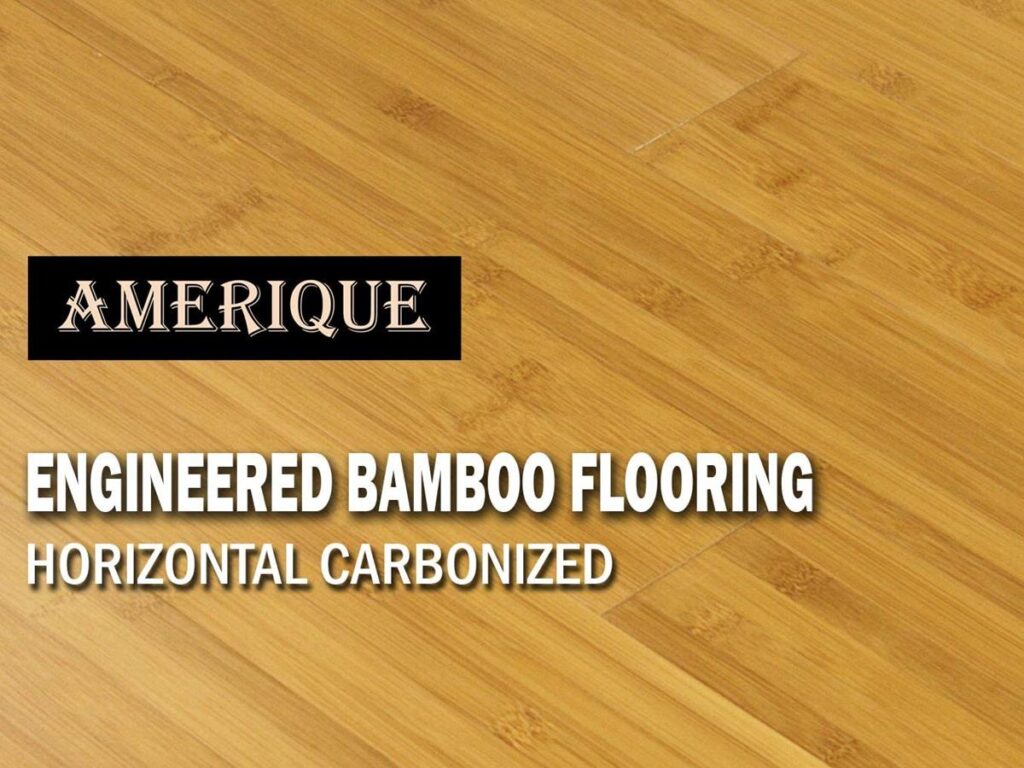
Amerique Bamboo Flooring Review – Price, Pros, Cons
Best Bamboo Flooring Reviews 2021 Home Flooring Pros
Bamboo Collection

Best Bamboo Flooring Reviews
Related articles:
- Dark Coffee Bamboo Flooring
- Carbonized Bamboo Flooring
- Cleaning Bamboo Floor
- How To Clean Bamboo Hardwood Floor
- How To Shine Bamboo Floors
- How To Repair Scratched Bamboo Floors
- Installing Engineered Bamboo Flooring
- Are Bamboo Floors Good For Kitchens?
- How To Clean Strand Woven Bamboo Floor
- Bamboo Kitchen Flooring Pros Cons