When I installed bamboo flooring in my living room five years ago, I thought I knew everything about caring for hardwood floors. I was wrong. Bamboo, while beautiful and sustainable, has its unique characteristics that require specific cleaning approaches. After making several costly mistakes that left water stains and dull spots across my gorgeous floors, I finally developed a cleaning routine that keeps my bamboo looking pristine. Through trial, error, and plenty of research, I discovered that proper bamboo floor care is simpler than I initially thought, once you understand the fundamentals.
Understanding Your Bamboo Floor Type and Finish
Learning to identify my specific bamboo flooring type became essential for choosing the right cleaning methods. I discovered I had strand-woven bamboo with a polyurethane finish, which is more durable than traditional bamboo planks but still requires gentler care than oak or maple hardwood. The manufacturing process creates a harder surface, yet the underlying bamboo fibers remain sensitive to excessive moisture and harsh chemicals that could penetrate the finish.
Finished versus unfinished bamboo requires completely different cleaning approaches, something I learned after accidentally damaging a small area with the wrong product. My polyurethane-finished floors could handle slightly more moisture than unfinished bamboo, but I still needed to avoid soaking the surface. Unfinished bamboo absorbs liquids rapidly and requires immediate cleanup to prevent permanent staining or warping of the planks.
The age and condition of my bamboo floor finish influenced my cleaning product choices significantly. Newer finishes could tolerate mild pH-neutral cleaners, while older or worn finishes required even gentler treatment. I learned to test cleaning products in inconspicuous areas first, checking for any dulling, discoloration, or surface damage before applying them to the entire floor.

Daily Cleaning Routine That Works
Developing an effective daily cleaning routine prevented most of the problems I experienced during my first year with bamboo floors. I start each morning by sweeping with a soft-bristled broom or using a microfiber dust mop to remove dirt, sand, and debris that could scratch the surface. This simple step takes five minutes but prevents the grinding action that occurs when particles get trapped under foot traffic.
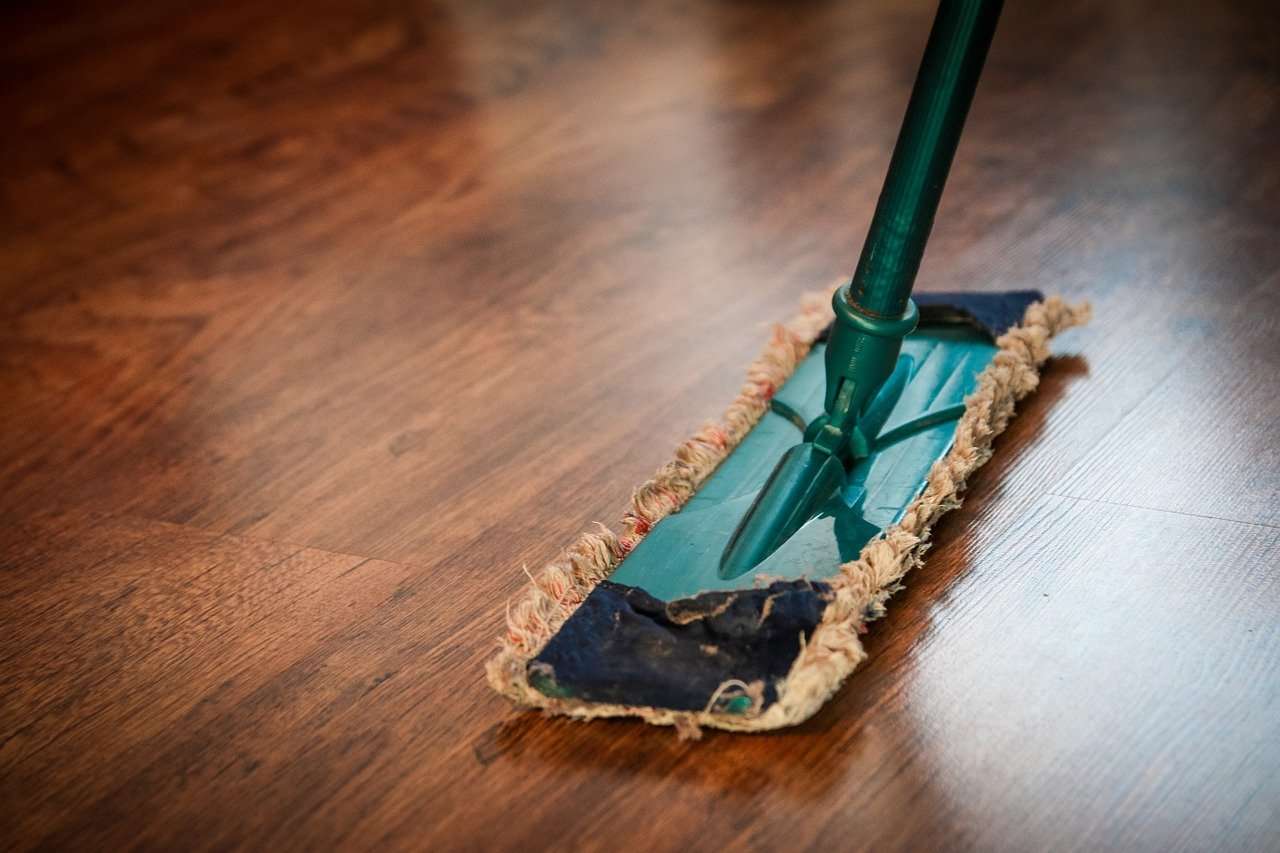
My weekly damp mopping routine uses only a well-wrung microfiber mop with plain water or a bamboo-specific cleaner. I learned the hard way that traditional hardwood floor cleaners often contain oils or waxes that build up on bamboo surfaces, creating a cloudy, streaky appearance that requires professional restoration to remove. The key is using minimal moisture, never allowing water to pool or sit on the surface.
Immediate spill cleanup became non-negotiable after I learned how quickly bamboo can absorb liquids and stain. I keep microfiber cloths strategically placed around the house for quick response to accidents. Even water spills need prompt attention, as standing moisture can seep into seams and cause the bamboo planks to swell, cup, or separate at the joints.
Products to Avoid and Safe Alternatives
Trial and error taught me which common household cleaners can permanently damage bamboo flooring. Vinegar-based solutions, despite being natural, proved too acidic and gradually dulled my floor’s finish over several months of use. Steam mops, while effective on tile and some hardwood, introduced too much moisture and heat, causing some of my bamboo planks to expand and create small gaps.
Oil-based cleaners and furniture polish created a slippery, streaky mess that attracted more dirt than it cleaned. I spent considerable money on professional refinishing after using a popular “wood floor restorer” that left an impossible-to-remove film across my entire living room. These products work fine for solid hardwood but react differently with bamboo’s unique cellular structure and typical finishes.
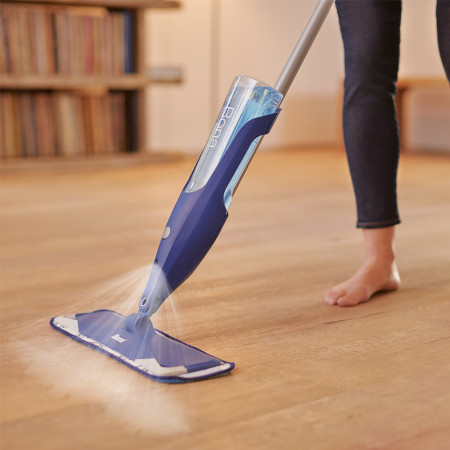
Safe cleaning alternatives that I’ve tested extensively include pH-neutral bamboo floor cleaners, plain water with microfiber mops, and occasionally a very dilute solution of mild dish soap. Bona makes an excellent bamboo floor cleaner that I’ve used successfully for three years without any buildup or dulling. For tough spots, I use a barely damp cloth with gentle circular motions rather than harsh scrubbing.

Dealing with Scratches, Scuffs, and Water Marks
Surface scratches on my bamboo floor often responded to simple remedies before I considered expensive professional repair. Light scratches from pet claws or furniture legs are frequently buffed out using a soft cloth with a tiny amount of bamboo floor polish applied in the direction of the grain. This technique worked on about 70% of the minor scratches I encountered during normal family life.
Water marks and white spots required more specific treatment that I discovered through experimentation. A slightly damp cloth followed immediately by a dry cloth often removes recent water marks before they set permanently. For stubborn spots, I used a hair dryer on low heat while simultaneously wiping the area with a dry cloth, which seemed to draw the moisture out of the bamboo finish.
Deeper gouges and scratches that penetrated through the finish required professional attention in my experience. I attempted several DIY wood filler and stain pen solutions, but none matched the bamboo’s unique color and grain pattern convincingly. Professional refinishing of damaged areas costs significantly less than replacing entire planks and restores the floor’s original beauty perfectly.
Seasonal Care and Humidity Management
Managing humidity levels became crucial for preventing my bamboo floors from expanding and contracting excessively with seasonal changes. I invested in a whole-house humidifier after experiencing gaps between planks during dry winter months and slight cupping during humid summers. Maintaining 30-50% relative humidity year-round has eliminated most of the seasonal movement issues.
Summer humidity required extra vigilance in my cleaning routine to prevent moisture-related problems. I reduced my mopping frequency during humid months and ensured excellent ventilation when cleaning. Running ceiling fans and opening windows helped floors dry completely after cleaning, preventing the trapped moisture that could lead to mold, mildew, or plank swelling.
Winter dryness created its challenges as my bamboo floors developed small gaps and seemed more prone to static electricity and dust accumulation. I increased the frequency of dry mopping while being extra careful about moisture levels when damp mopping. Using a humidifier not only protected my floors but also improved my family’s comfort during dry winter months.

Long-Term Maintenance and Professional Care
Establishing a long-term maintenance schedule helped preserve my bamboo floors’ appearance and extend their lifespan significantly. I schedule professional deep cleaning and inspection annually, which removes built-up residues and identifies potential problems before they become expensive repairs. This preventive approach has maintained my floors’ original beauty for five years with minimal issues.
Refinishing considerations for bamboo floors differ from traditional hardwood because of the thinner wear layer available for sanding. I learned that strand-woven bamboo can typically be refinished 2-3 times during its lifetime, compared to 4-6 times for solid oak. Planning for eventual refinishing helped me budget appropriately and make informed decisions about repair versus replacement for damaged areas.
Professional advice proved invaluable when I considered refinishing options after three years of wear in high-traffic areas. My flooring contractor explained that bamboo’s unique structure requires specialized equipment and techniques different from traditional hardwood refinishing. The investment in professional refinishing restored my floors to like-new condition and should last another 8-10 years with proper care.

How often should I clean my bamboo floors and what’s the best daily routine?
I sweep or dry mop daily to remove dirt and debris, then damp mop weekly using a barely damp microfiber mop with bamboo-specific cleaner or plain water. Never soak bamboo floors or use excessive water. Immediate spill cleanup is essential. This routine has kept my floors beautiful for five years without damage or professional cleaning needs.
Can I use regular hardwood floor cleaners on bamboo flooring?
No, I learned this the hard way. Regular hardwood cleaners often contain oils or waxes that build up on bamboo and create cloudy, streaky surfaces. I use only pH-neutral cleaners specifically designed for bamboo, or plain water. Bona bamboo cleaner has worked perfectly for three years without any buildup or surface dulling.

What should I do if my bamboo floor gets water damaged or stained?
Act immediately. Blot up standing water and dry the area completely with fans if necessary. For white water marks, I use a barely damp cloth followed by thorough drying. Persistent stains or warped planks require professional attention. Prevention through prompt spill cleanup is much easier than repair after damage occurs.
Is it safe to steam mop bamboo floors?
Absolutely not. Steam mops introduce too much heat and moisture, causing bamboo planks to expand, warp, or separate at seams. I damaged several boards this way early on. Stick to damp mopping with microfiber mops and minimal moisture. The convenience isn’t worth the risk of expensive floor damage.
How do I remove scratches and scuffs from bamboo flooring?
Light surface scratches often buff out with a soft cloth and bamboo floor polish applied with the grain. Pet scratches and furniture marks respond well to this treatment. Deeper gouges that penetrate the finish need professional repair. I’ve found that about 70% of normal household scratches can be minimized with gentle polishing.
What humidity levels are best for bamboo floors and how do I maintain them?
I maintain 30-50% relative humidity year-round using a whole-house humidifier and dehumidifier as needed. This prevents seasonal gaps in winter and cupping in summer. Bamboo is more sensitive to humidity changes than traditional hardwood. Proper humidity control has eliminated 90% of seasonal movement issues in my floors.
How To Clean Bamboo Floors Without Streaks – Floor Techie

Easy-to-Make Bamboo Floor Cleaner Recipes
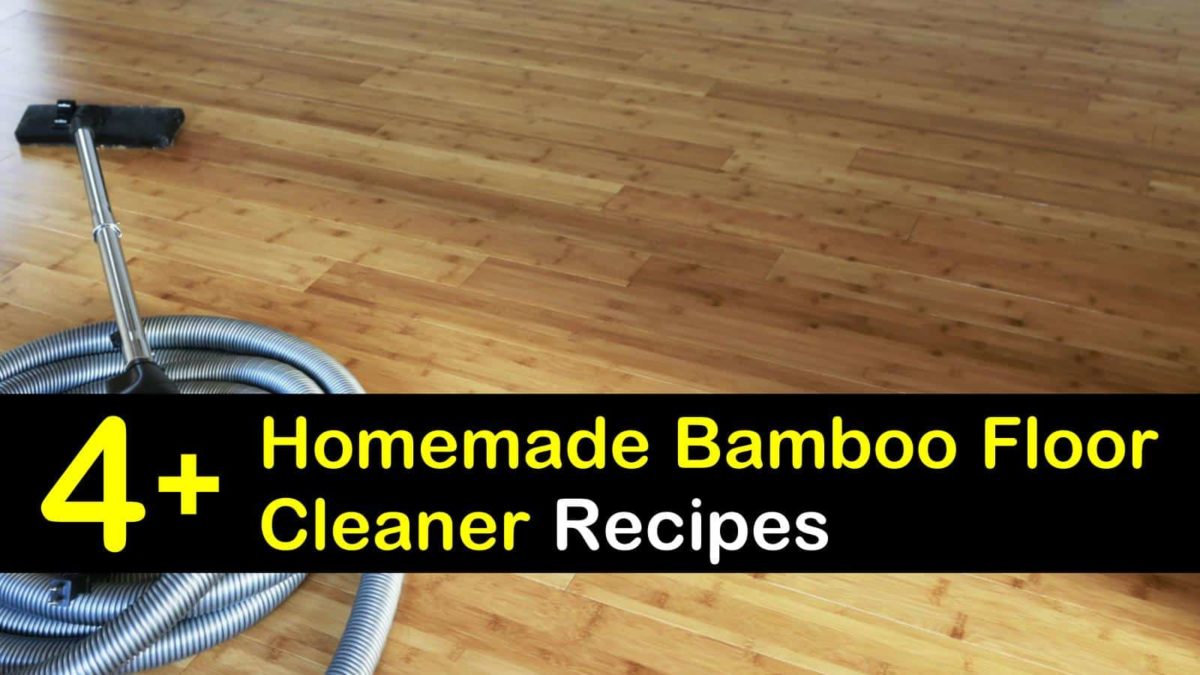
How to Clean Bamboo Floors? – Floor Techie

Related articles:
- Dark Coffee Bamboo Flooring
- Carbonized Bamboo Flooring
- Cleaning Bamboo Floor
- How To Clean Bamboo Hardwood Floor
- How To Shine Bamboo Floors
- How To Repair Scratched Bamboo Floors
- Installing Engineered Bamboo Flooring
- Are Bamboo Floors Good For Kitchens?
- How To Clean Strand Woven Bamboo Floor
- Bamboo Kitchen Flooring Pros Cons