When I embarked on my whole-house renovation three years ago, I was determined to create spaces that felt both timeless and thoroughly modern, a balance that seemed impossible until I discovered the incredible variety of contemporary wood flooring options available today. After months of visiting showrooms, studying design magazines until my coffee table groaned under their weight, and obsessing over Instagram posts from interior designers, I realized that modern wood flooring had evolved far beyond traditional oak strips into something that could be both artistic and practical.
My experience through wide planks, unique finishes, mixed species installations, and innovative laying patterns transformed not just my floors but my entire understanding of how wood can define and enhance contemporary living spaces. What started as a simple flooring replacement became an exploration of texture, color, and pattern that has given each room in my home its distinct personality while maintaining a cohesive, sophisticated aesthetic throughout.
Wide Plank Magic and Room Transformation
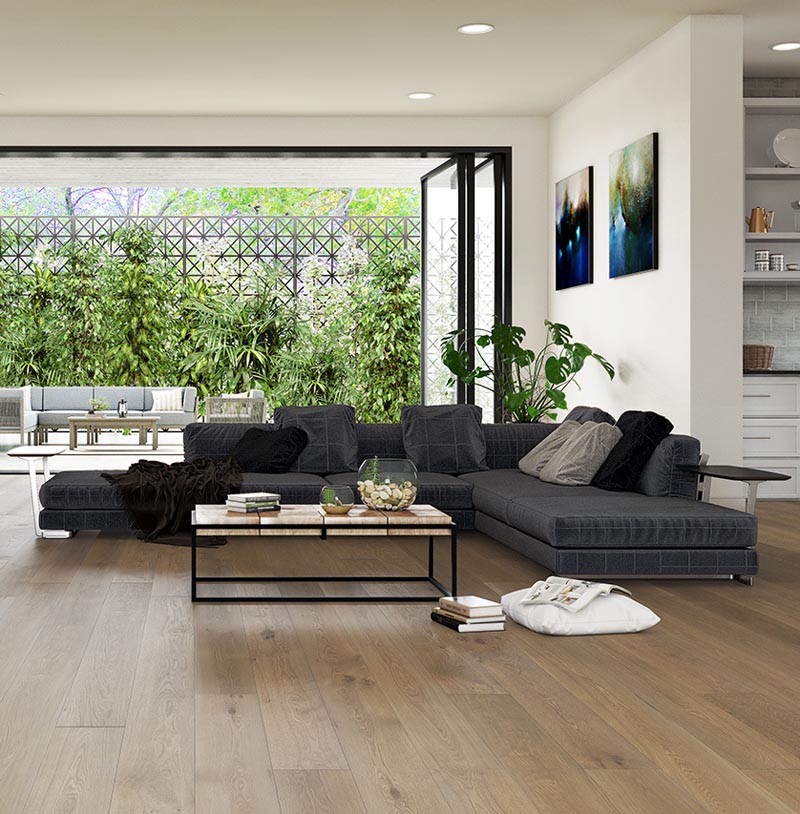
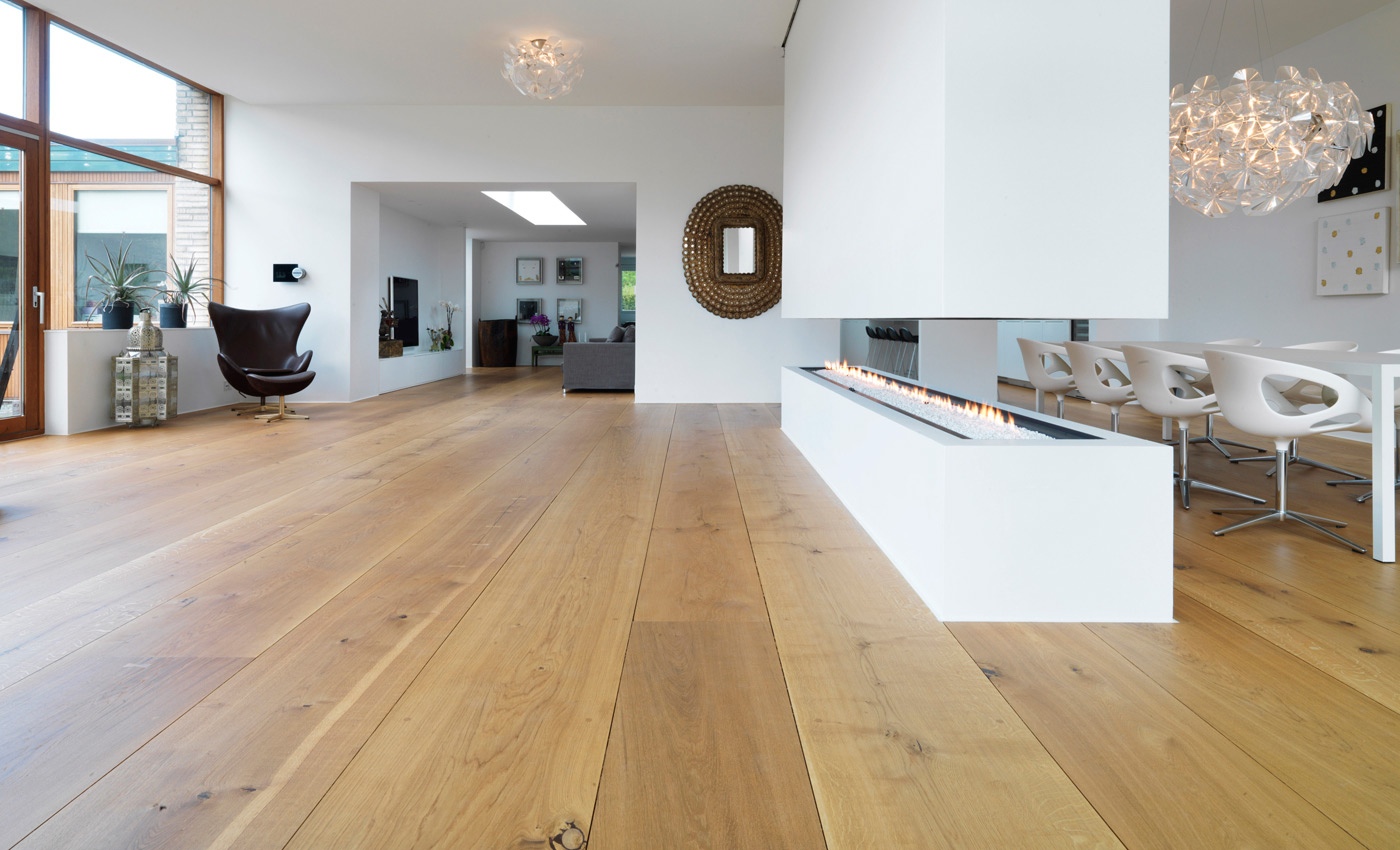
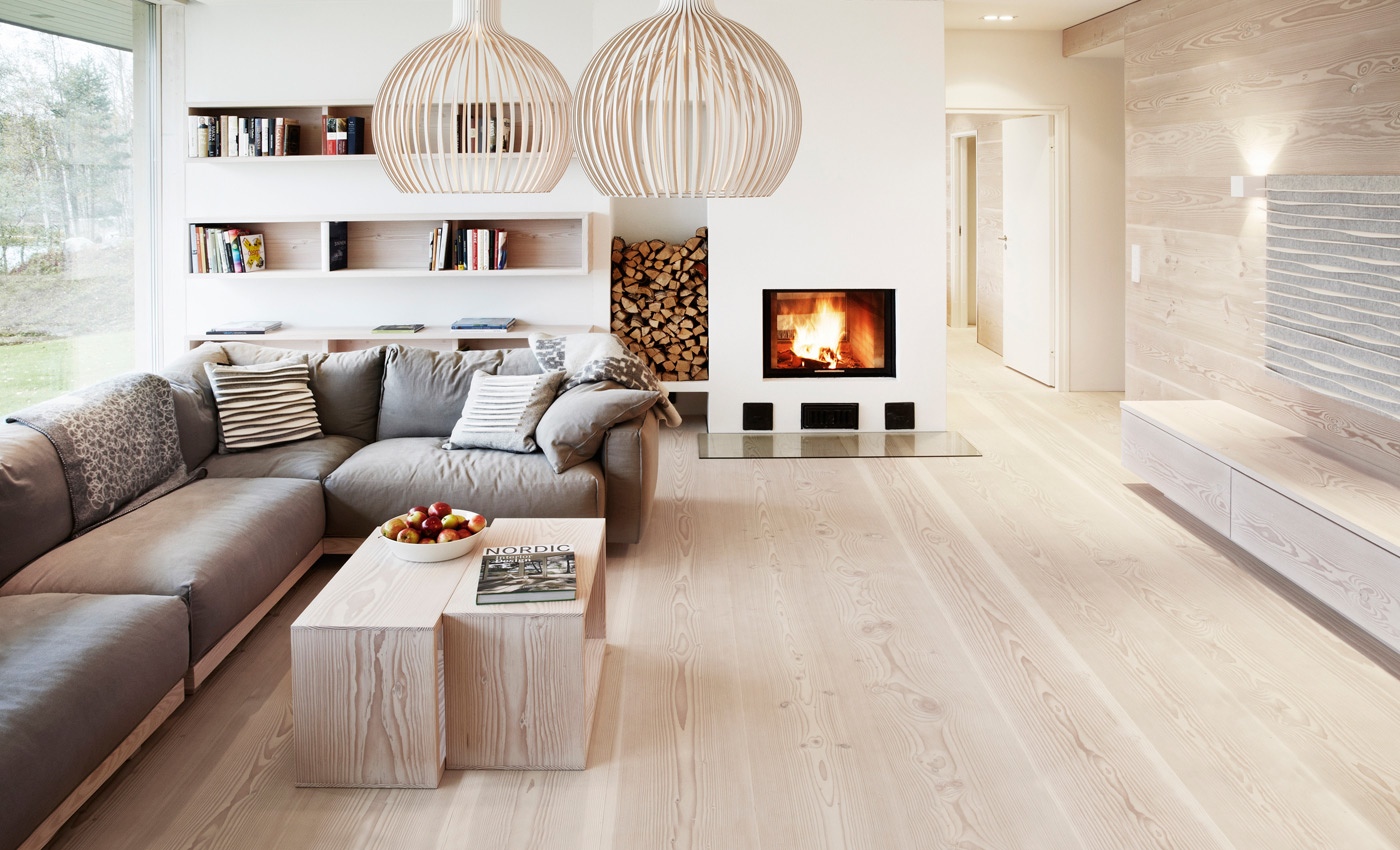
The decision to install wide plank flooring throughout my main living areas was perhaps the single most impactful choice of my entire renovation, creating a sense of spaciousness and modern sophistication that narrow traditional boards simply cannot achieve. I chose 7-inch wide European white oak planks with a natural oil finish, and the difference in visual impact compared to standard 3-inch strips was immediately apparent, making every room feel larger and more open while reducing the visual busyness that comes with multiple narrow boards.
The wider planks showcase the wood’s natural grain patterns more dramatically, creating fewer seam lines that interrupt sight lines and allowing the eye to flow more smoothly across the surface. Friends who visit often comment on how “expensive” and “high-end” the floors look, not realizing that the wide format alone creates this impression of luxury, regardless of the actual cost per square foot.
Installing wide planks required some adjustments to my subfloor preparation and installation techniques, as these broader boards are more sensitive to moisture changes and subfloor imperfections than their narrower counterparts. My installer spent extra time ensuring the subfloor was perfectly level and properly moisture-protected, explaining that wide planks would telegraph any inconsistencies more obviously than traditional boards. The acclimation process also took longer, with the planks needing to adjust to my home’s humidity levels for nearly two weeks before installation to prevent future expansion and contraction issues. This patience paid dividends in the final result, with floors that have remained perfectly flat and stable through two years of seasonal changes, validating the extra time and care invested in proper preparation.
The maintenance aspects of wide plank flooring surprised me with their simplicity compared to what I expected from such a dramatic design choice, requiring the same basic care as any hardwood floor, but showing dust and debris less obviously due to fewer seam lines. I found that the wider surface area makes cleaning more efficient, as I can cover more ground with each pass of the mop or vacuum, while the reduced number of grooves means fewer places for dirt to accumulate.
The natural oil finish I chose has aged beautifully, developing a subtle patina that enhances the wood’s character while remaining easy to maintain with periodic re-oiling rather than full refinishing. The investment in wide planks has proven worthwhile not just aesthetically but practically, creating floors that feel both luxurious and livable for busy family life.
Mixed Species Design Adventures
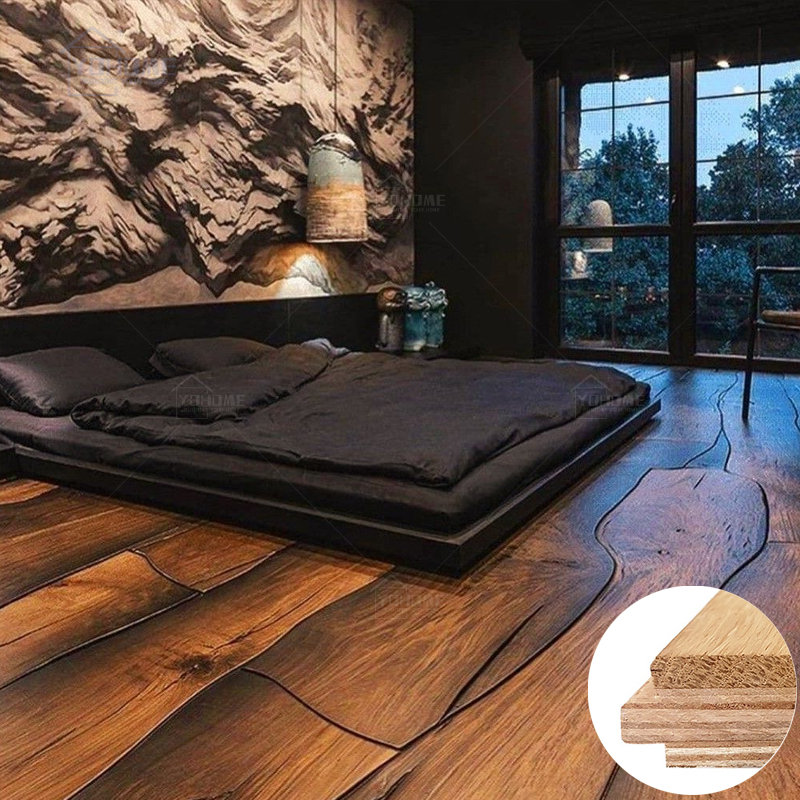
My experimentation with mixed species flooring began in my home office, where I decided to combine walnut and maple planks in a custom pattern that would create visual interest while maintaining professional sophistication. The contrast between the rich chocolate tones of the walnut and the creamy lightness of the maple creates a dynamic checkerboard effect that adds personality to the space without overwhelming its function as a workspace. Working with my flooring contractor to develop the installation pattern required careful planning and precise measurements, as mixed species installations demand more attention to detail than single-wood floors to ensure proper alignment and consistent spacing. The result exceeded my expectations, creating a floor that serves as functional art and makes the room feel custom-designed rather than simply furnished with standard materials.
The technical challenges of mixing different wood species taught me valuable lessons about wood movement, grain direction, and species compatibility that I hadn’t considered during the planning phase. Walnut and maple expand and contract at slightly different rates, requiring my installer to use specific techniques for managing seasonal movement and preventing gaps or buckling where the different species meet. We also had to carefully coordinate the finishing process, as the two woods accept stains and topcoats differently, requiring separate treatment schedules and compatible products to achieve uniform protection and sheen levels. These complexities added time and cost to the installation, but the unique result justified the extra effort and created something truly one-of-a-kind that reflects my style and attention to detail.
The daily experience of living with mixed species flooring has been consistently rewarding, as the interplay between different wood tones and textures creates visual interest that never becomes boring or dated. The contrast helps define different functional areas within the open-concept space, with darker walnut strips naturally drawing the eye toward the desk area while lighter maple sections maintain the room’s overall brightness and airiness. Maintenance has proven straightforward despite my initial concerns about caring for two different species simultaneously, as both woods respond well to the same cleaning products and care routines. The mixed species concept has inspired me to consider similar treatments in other rooms, proving that stepping beyond traditional single-species installations can create distinctive, personalized spaces that reflect individual creativity and design vision.
Engineered vs. Solid Wood Reality Check
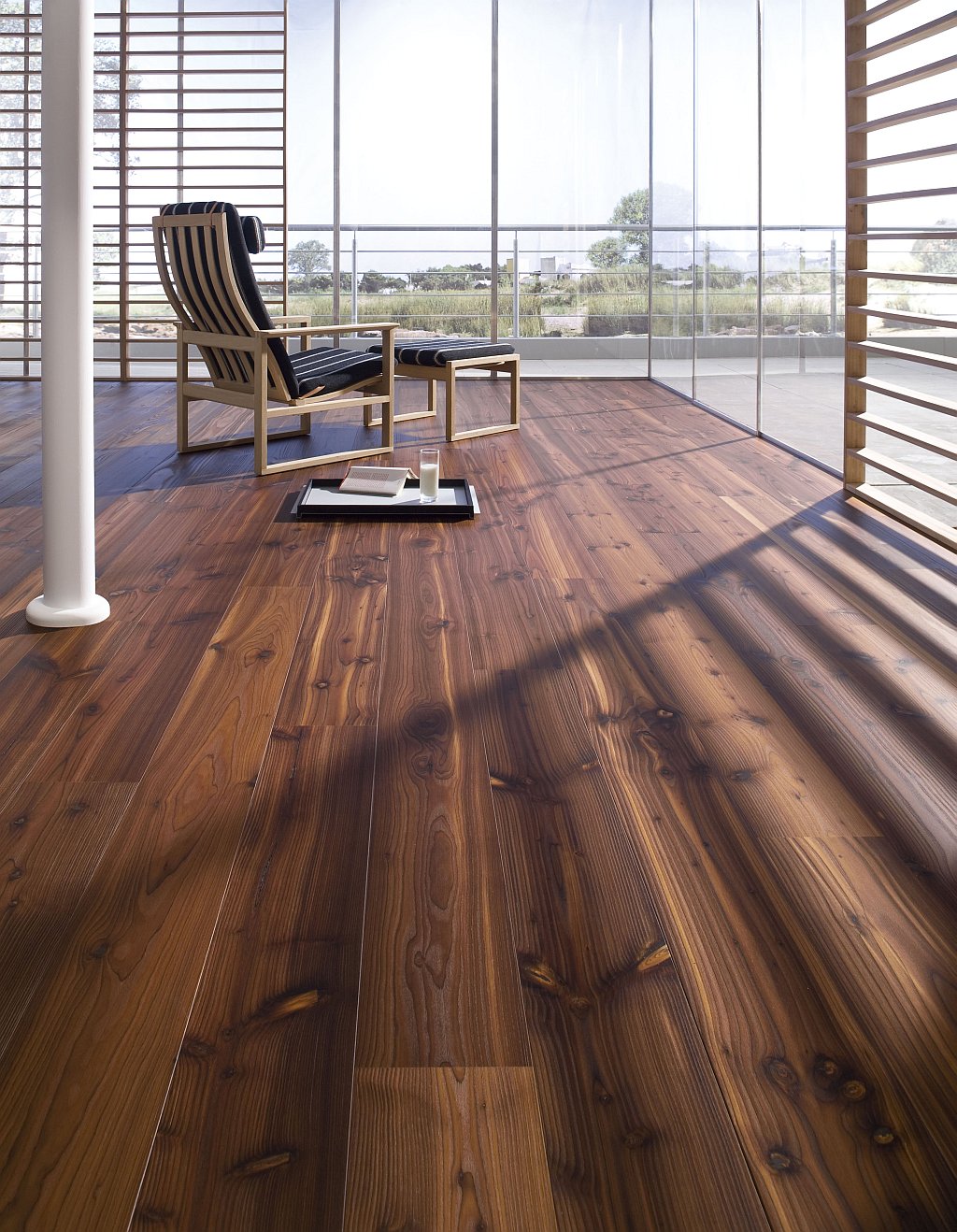
My decision between engineered and solid hardwood flooring required extensive research and soul-searching about long-term goals, budget constraints, and practical considerations that went far beyond simple aesthetics or initial cost comparisons. I ultimately chose engineered planks for most of my home after learning about their superior stability in varying humidity conditions, easier installation over concrete subfloors, and the ability to achieve a wide plank look without the premium pricing of solid wide boards. The top veneer layer of quality engineered flooring provides the same visual appeal and refinishing potential as solid wood ,while the layered construction prevents the expansion and contraction issues that can plague solid floors in climates with significant seasonal variation. This technical advantage translated into peace of mind and long-term performance that justified the decision despite my initial preference for “real” solid wood.
The installation process highlighted the practical advantages of engineered flooring in ways I hadn’t fully appreciated during my research phase, particularly the ease of working around existing features and the reduced acclimation time compared to solid planks. My installer completed the entire main floor in three days rather than the week originally estimated for solid wood, thanks to the engineered planks’ stability and click-lock installation system that eliminated the need for nailing into concrete subfloors. The consistent thickness and precision manufacturing of engineered boards also meant fewer waste cuts and adjustments, reducing both material costs and installation time while achieving perfectly straight lines and consistent gaps. These efficiencies allowed me to allocate more budget toward premium finishes and wider planks rather than paying for extended installation labor.
Two years of living with engineered flooring has validated my choice through consistent performance and maintained beauty that rivals any solid wood installation I’ve experienced in friends’ homes. The floors have shown no signs of the seasonal movement or gap development that I was warned about with solid wood, maintaining their tight, professional appearance through humidity swings that would typically cause traditional floors to expand and contract visibly. The refinishing potential remains excellent, with the thick veneer layer providing multiple opportunities for future sanding and refinishing as needed to maintain appearance or adapt to changing design preferences. The combination of stability, beauty, and long-term value has made engineered flooring a confident choice that I would repeat in future projects.
Color Trends and Personal Expression
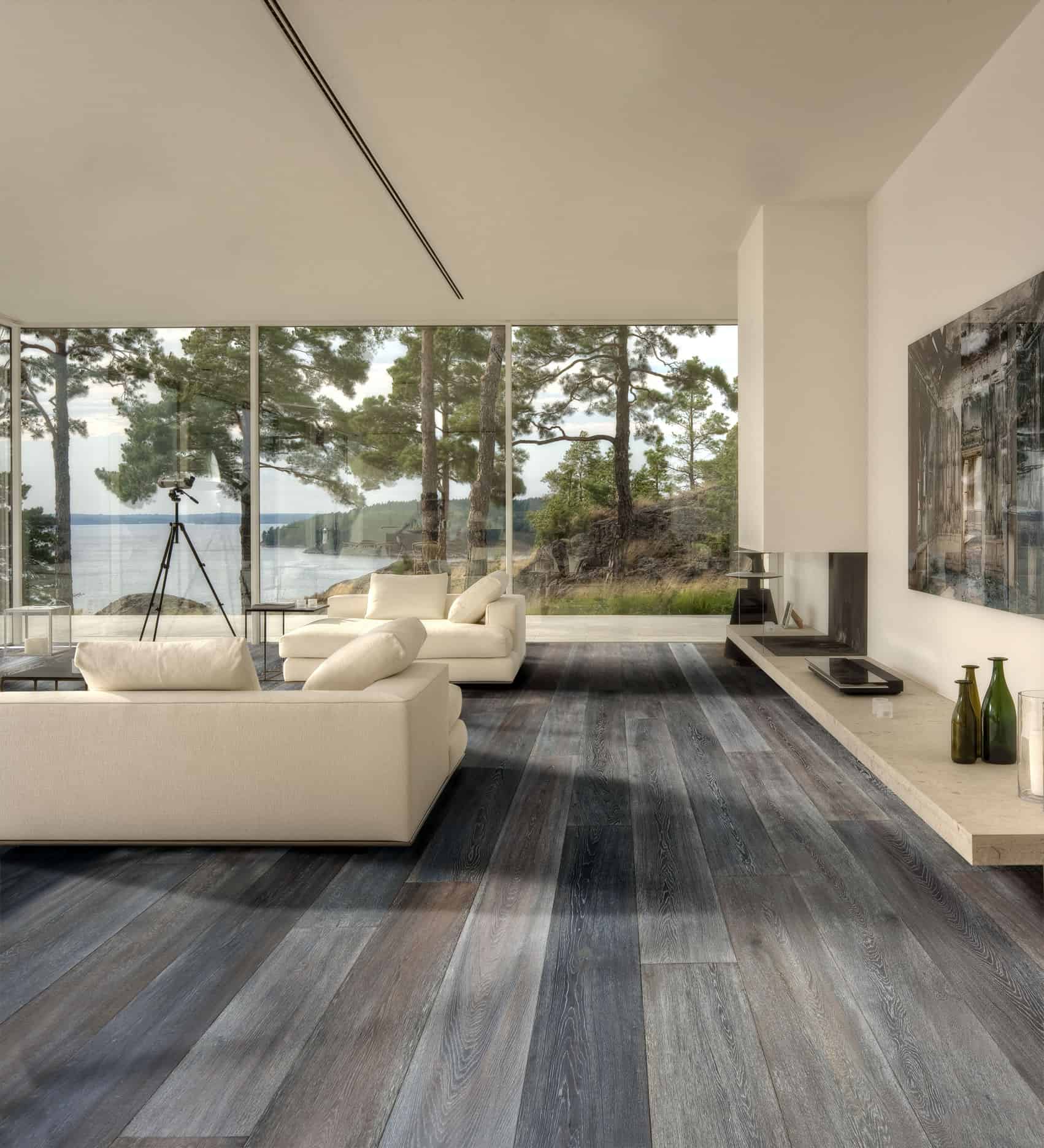
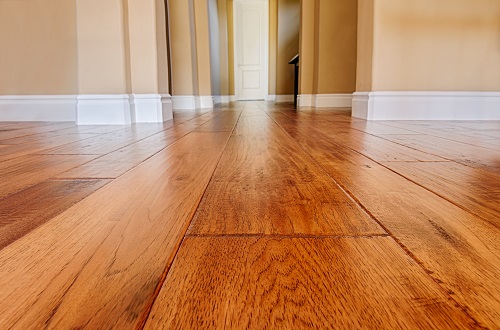
Exploring contemporary wood flooring color options opened my eyes to possibilities far beyond traditional honey oak and cherry finishes, leading me to experiment with gray-washed, bleached, and naturally aged appearances that reflect modern design sensibilities. I chose different color treatments for different areas of my home, using warm honey tones in the kitchen and dining areas to create cozy gathering spaces, while opting for cooler gray-washed finishes in bedrooms and bathrooms for a more serene, spa-like atmosphere. The variety of color options available through modern finishing techniques allowed me to create distinct moods and personalities in each space while maintaining the natural beauty and texture that only real wood can provide. This approach to color as a design tool rather than just a finish choice has given me unprecedented control over the emotional impact and aesthetic character of each room.
The process of selecting and coordinating colors taught me about the relationship between wood species, stain absorption, and final appearance that varies significantly even within the same type of wood. White oak takes gray stains beautifully, creating sophisticated, contemporary looks that complement modern furnishings and cool color palettes, while red oak resists gray tones and looks better with warm brown and honey finishes that enhance its natural reddish undertones. Working with my finisher to test different stain combinations on sample boards was crucial for achieving the exact colors I envisioned, as wood staining is more art than science, and results can vary based on wood density, grain pattern, and environmental conditions during application. This sampling process took time, but it prevented expensive mistakes and ensured that the final results matched my design vision perfectly.
Living with varied wood floor colors throughout my home has created a dynamic, personalized environment that feels cohesive despite the different treatments in each space. The color transitions between rooms feel natural and intentional rather than jarring, thanks to the careful selection of tones that complement each other while serving their individual spaces’ functional and aesthetic needs. Maintenance has been simpler than expected, as each color treatment requires the same basic care routine despite its different appearances, and the varied colors help camouflage the normal wear patterns that develop over time. The bold color choices have proven timeless rather than trendy, creating a foundation that works with changing furniture and decor while maintaining its contemporary appeal.
Pattern Play and Installation Innovation
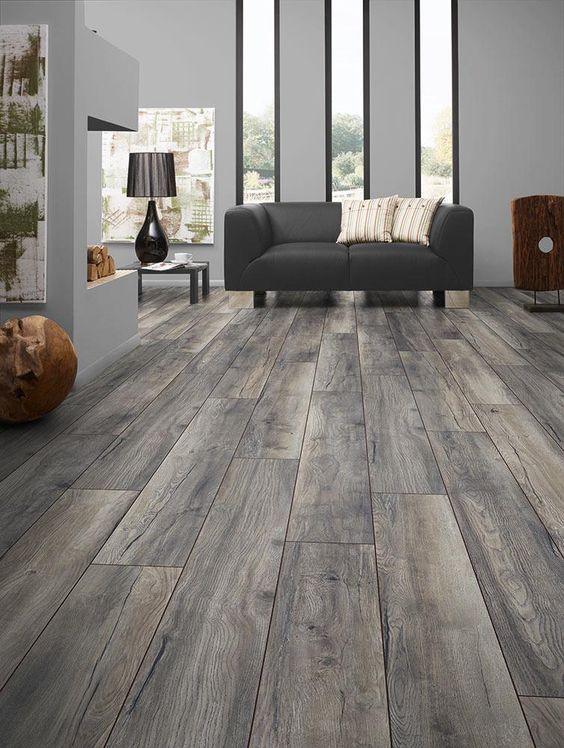
My foray into non-traditional installation patterns began with a herringbone design in my entryway, a decision that transformed what could have been a mundane transitional space into a stunning focal point that sets the tone for the entire home. The classic herringbone pattern, installed with 4-inch wide planks in a natural oak finish, creates visual movement and sophistication that immediately announces to guests that attention to detail and design quality are priorities throughout the house. The installation required precise cutting and planning to ensure perfect alignment at the borders and smooth transitions to the straight-laid planks in adjacent rooms, but the dramatic impact justified the additional labor and material costs. The pattern draws the eye inward and creates a sense of grandeur that makes the relatively small entryway feel significant and welcoming.
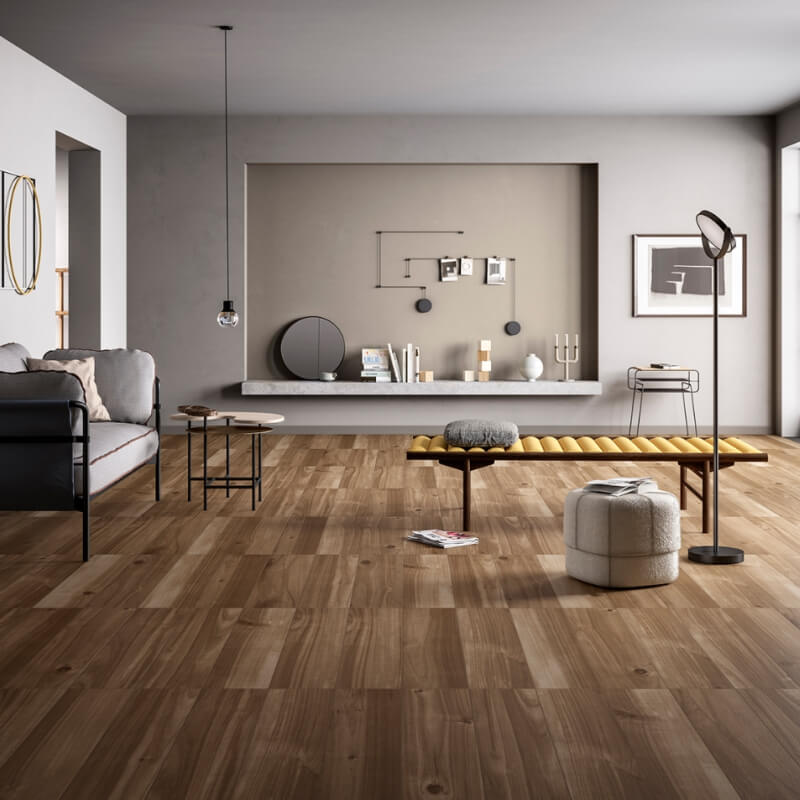
Expanding my pattern experimentation to other areas led me to try chevron installation in my home office and a mixed-width plank arrangement in the master bedroom that creates visual interest through varied board sizes rather than complex angles. The chevron pattern required even more precision than herringbone, with each plank cut to exact angles and fitted together to create perfect V-shapes that flow seamlessly across the room, but the result is a dynamic, contemporary look that energizes the workspace. The mixed-width installation in the bedroom combines 3-inch, 5-inch, and 7-inch planks in a random pattern that mimics the organic variation found in reclaimed flooring while using new materials, creating texture and visual depth that makes the large room feel more intimate and cozy.
The technical challenges of pattern installations taught me to appreciate the skill and craftsmanship required for complex flooring projects while also revealing the dramatic design potential of thoughtful pattern selection. Each pattern required different subfloor preparation, cutting techniques, and installation approaches that added complexity and cost but created unique, personalized results impossible to achieve with standard installations. The maintenance aspects have proven no different from straight-laid floors, despite my initial concerns about dirt collection in pattern joints or difficulty with refinishing angled pieces. These pattern installations have become signature features that give my home distinctive character and demonstrate how traditional materials can create thoroughly contemporary expressions through innovative application and installation techniques.
Long-Term Performance and Satisfaction
Three years into living with my contemporary wood flooring choices, I can confidently report that the investment in quality materials and professional installation has paid dividends in both daily satisfaction and long-term performance that exceeds my expectations. The wide planks maintain their dramatic visual impact without showing the wear patterns I was concerned about in high-traffic areas, while the various color treatments have aged gracefully and developed character rather than simply showing damage or fading. The mixed species installations continue to create visual interest and conversation, proving that bold design choices can have lasting appeal when executed with quality materials and attention to detail. Most importantly, the floors have maintained their beauty and structural integrity through the inevitable spills, scratches, and daily abuse that come with active family life, including two large dogs and teenage children.
The maintenance routine I’ve established has proven both manageable and effective, requiring no more time or effort than caring for traditional hardwood floors while delivering superior results in terms of appearance and longevity. Weekly cleaning with microfiber mops and appropriate wood floor cleaners keeps all the different species, colors, and patterns looking consistent and pristine, while annual professional cleaning and inspection ensure any developing issues are addressed before they become expensive problems. The various finishes have required different recoating schedules, with high-traffic areas needing attention every 18 months, while bedroom floors still look perfect after three years, but this maintenance represents protection of a significant investment rather than an ongoing burden. The floors continue to feel like new money well spent rather than a source of stress or regret.
The emotional and aesthetic satisfaction of living with thoughtfully chosen contemporary wood flooring has influenced my approach to other design decisions throughout the home, inspiring confidence to make bold choices and invest in quality materials that create lasting beauty. Friends and family consistently comment on the floors as standout features that make the house feel special and distinctive, validating my decision to prioritize flooring as a foundational design element rather than an afterthought. The various rooms each have their character and mood created largely through the flooring choices, proving that wood can be both unifying and diversifying within a single home. Looking back, I would make the same choices again and recommend that others consider contemporary wood flooring as an opportunity for creative expression that combines practicality with artistry.
How much more expensive are wide plank floors compared to standard-width boards?
In my experience, wide planks cost about 20-30% more per square foot than standard boards, but the visual impact is worth every penny. My 7-inch planks ran $8-12 per square foot installed versus $6-8 for 3-inch boards. The dramatic difference in appearance and the way they make rooms feel larger justified the premium for me.
Are mixed species floors difficult to maintain, and do different woods require different care?
Surprisingly, maintenance has been straightforward with my walnut and maple combination. Both species respond well to the same cleaning products and routines. The key is using compatible finishes during installation. I clean everything with the same pH-neutral wood cleaner and haven’t had any species-specific issues in three years.
Should I choose engineered or solid hardwood for contemporary wide plank installations?
I went with engineered for stability and cost reasons, and I’m thrilled with the choice. Engineered wide planks are much more stable than solid ones and cost less while offering the same visual appeal. Unless you plan multiple refinishing cycles over decades, engineered makes more sense for most contemporary installations.
How do pattern installations like herringbone affect the cost and timeline?
Pattern installations cost about 50% more in labor and create 10-15% material waste from cutting, but the impact is incredible. My herringbone entryway took two days versus half a day for straight planks. The precision required means you need experienced installers, but the results create a signature look that’s worth the investment.
Do contemporary wood floor colors look dated quickly, or are they timeless choices?
Three years in, my gray-washed and honey-toned floors still feel current and sophisticated. Quality contemporary finishes tend to be more timeless than trendy because they enhance wood’s natural beauty rather than masking it. I chose colors that complement my overall design rather than following specific trends.
What’s the biggest mistake to avoid when planning contemporary wood flooring?
Don’t skimp on subfloor preparation or professional installation, especially with wide planks or patterns. My biggest lesson was that contemporary flooring techniques require experienced installers who understand modern materials and methods. Cheap installation ruins expensive materials, while proper installation protects your investment for decades.
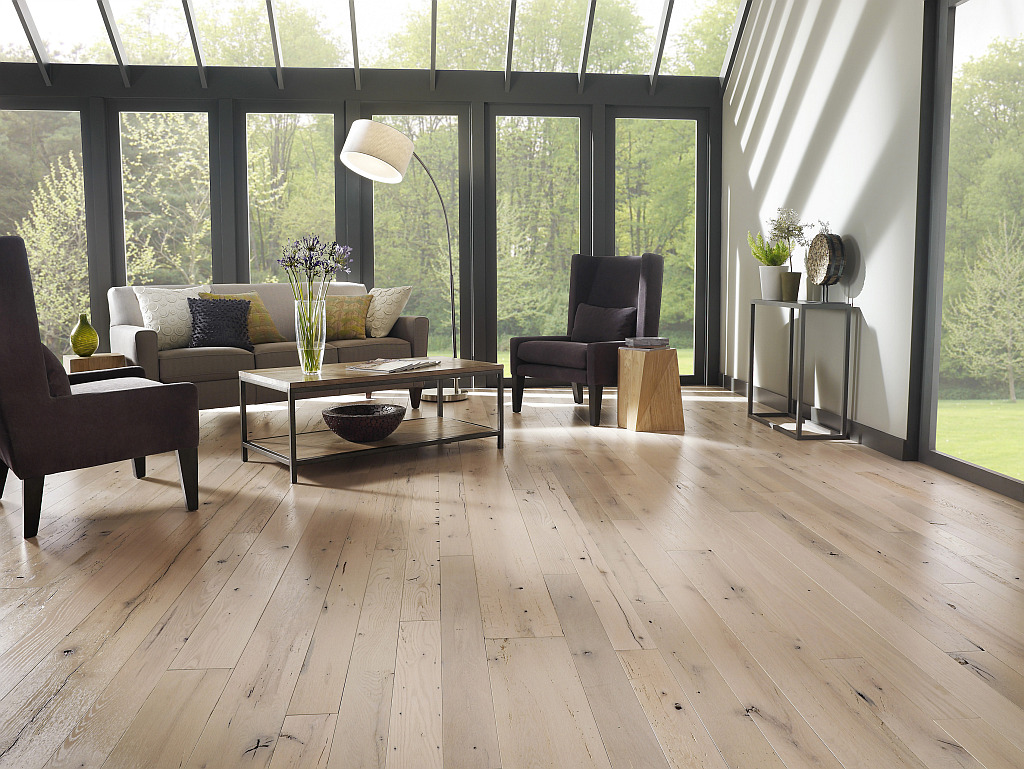
Wood Flooring Inspiration
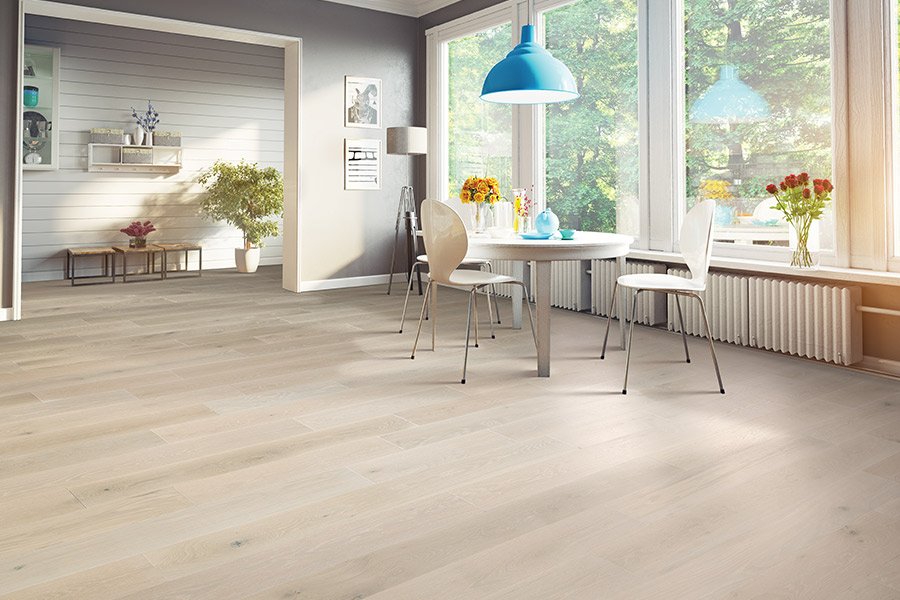
Designing With Lighter-Toned Wide Plank Wood Flooring
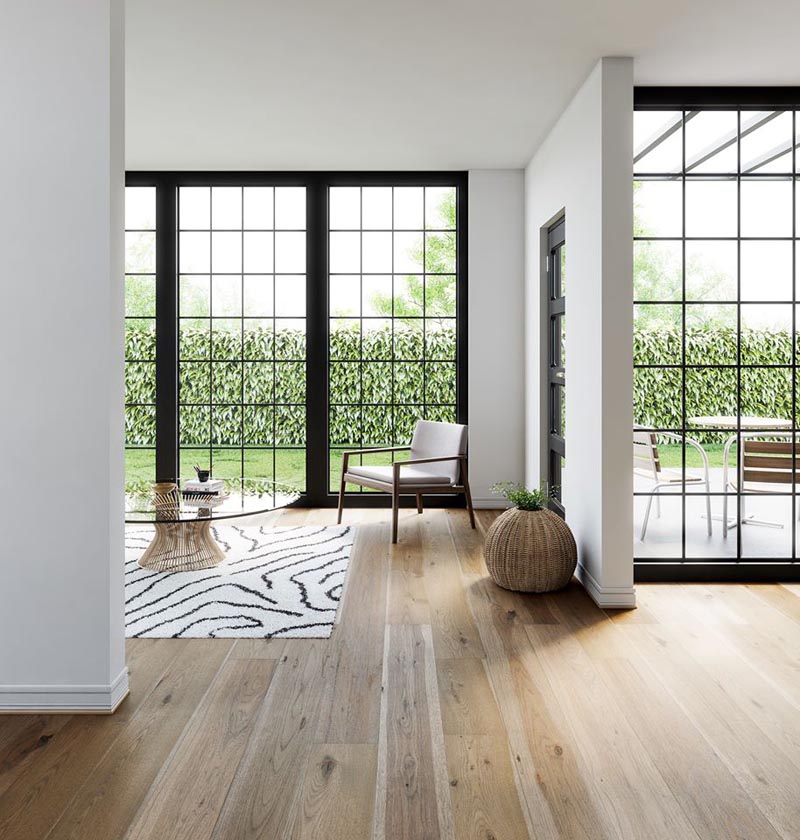
Hardwood Flooring Ideas With Pros And Cons
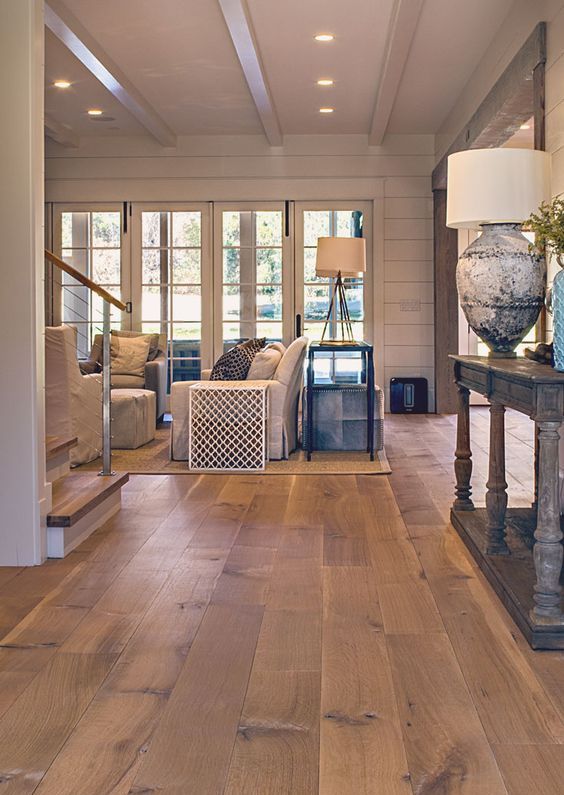
Beautiful Wood Flooring
Related articles: