I’ve spent years helping homeowners transform their spaces, and I can tell you that wood look tile has become one of my favorite flooring solutions. It offers the warmth and beauty of natural wood with the durability and practicality of ceramic or porcelain tile. Whether you’re renovating a bathroom, updating your kitchen, or flooring an entire home, wood look tile provides endless possibilities for creating stunning, low-maintenance floors that fool even the most discerning eye.
Choosing the Right Wood Look Tile Style
When I work with clients on selecting wood look tile, I always start by examining the existing design elements in their space. The beauty of these tiles lies in their incredible variety, from rustic barn wood aesthetics to sleek contemporary finishes. I’ve found that lighter oak and maple styles work beautifully in modern farmhouse settings, while darker walnut and cherry tones create sophisticated backdrops in traditional homes.
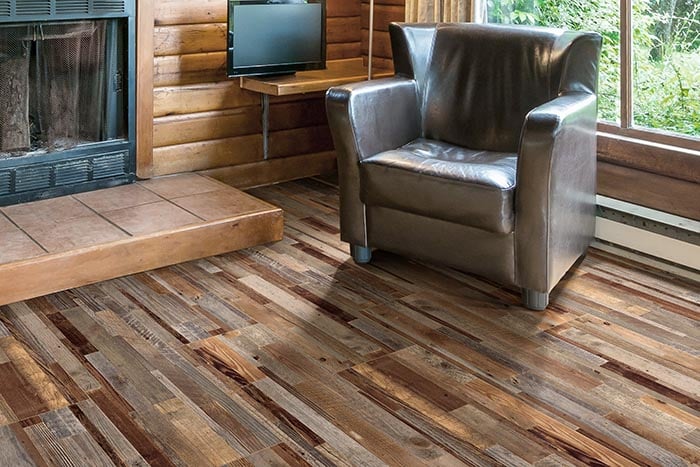
The grain patterns make all the difference in achieving an authentic wood appearance. I recommend looking for tiles with varied grain textures and realistic knots that mimic natural wood imperfections. Some manufacturers now offer hand-scraped finishes that add tactile interest and help hide minor scratches over time. The key is selecting tiles with subtle color variations within each plank to avoid the repetitive look that screams “fake wood.”
Size matters tremendously when creating a convincing wood floor illusion. I typically suggest longer planks, at least 24 inches in length, though I’ve used planks up to 48 inches for dramatic effect in large spaces. The width should complement your room size, with narrower planks working well in smaller spaces and wider planks making grand statements in open floor plans. Remember that larger format tiles mean fewer grout lines, which enhances the seamless wood appearance.
Color Coordination and Room Design
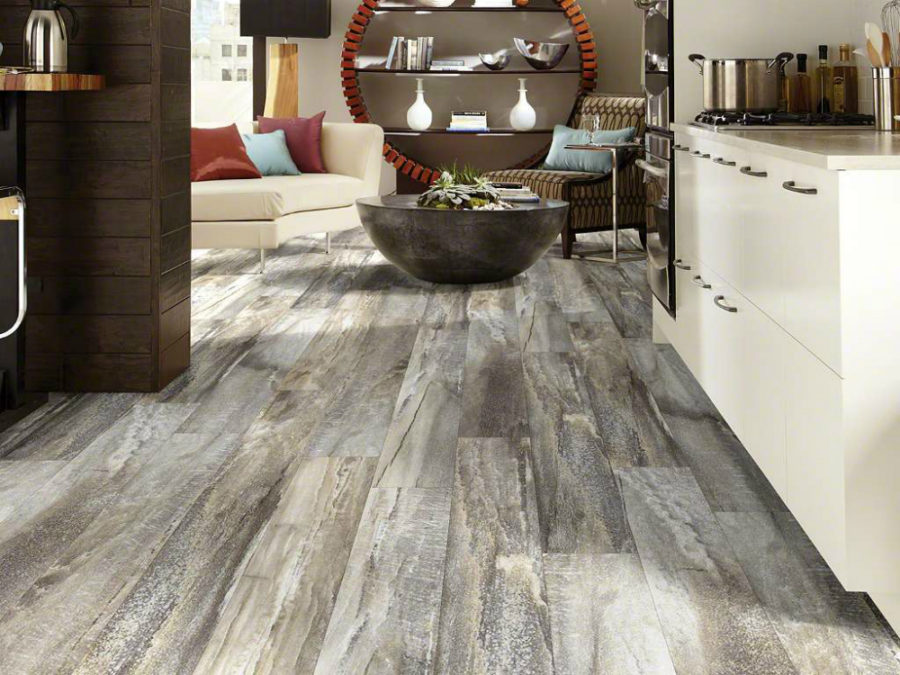
I’ve learned that successful wood look tile installation depends heavily on understanding how different tones interact with your existing color palette. Cool-toned grays and weathered whites have become incredibly popular in my recent projects, especially in coastal and Scandinavian-inspired designs. These lighter tones reflect more light, making spaces feel larger and airier, which I particularly appreciate in smaller homes and apartments.
Warm honey and amber tones bring coziness to any space, and I often recommend these for family rooms and bedrooms where comfort is paramount. I’ve noticed that these warmer wood tones pair beautifully with cream walls, soft blues, and sage greens. The trick is balancing the yellow undertones without overwhelming the space, which I achieve by incorporating cooler accent colors through furnishings and accessories.
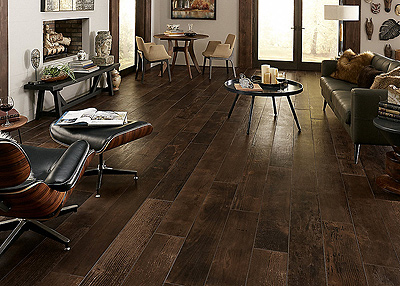
For clients seeking drama and sophistication, I turn to deep espresso and charcoal wood look tiles. These darker options create striking contrasts against white or light-colored walls and cabinetry. I’ve used these successfully in dining rooms and home offices where a more formal atmosphere is desired. However, I always caution clients that darker floors show dust and pet hair more readily, requiring more frequent maintenance to look their best.

Installation Patterns and Layout Ideas
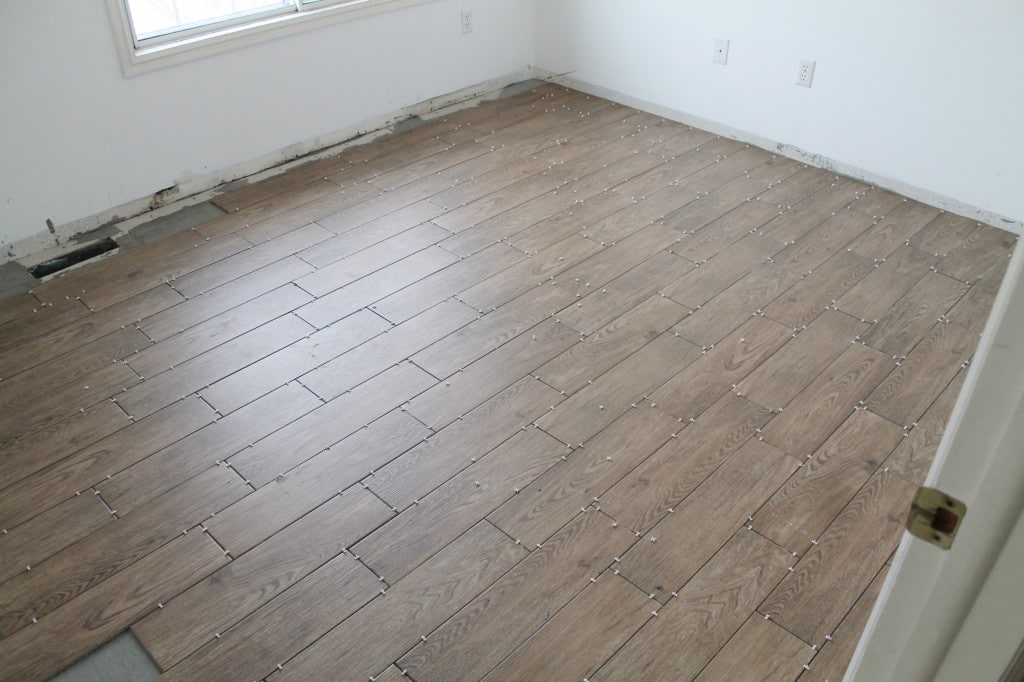
The installation pattern you choose can completely transform the character of your wood look tile floor. I’ve become particularly fond of the classic straight-lay pattern, which runs planks parallel to the longest wall for a clean, traditional appearance. This pattern works beautifully in rectangular rooms and helps visually elongate spaces, making it my go-to choice for hallways and narrow kitchens.
Herringbone patterns have gained tremendous popularity in my recent installations, and I understand why. This sophisticated pattern adds visual interest and movement to floors while maintaining the elegant look of traditional hardwood parquet. I find herringbone works exceptionally well in entryways, powder rooms, and dining areas where you want to make a statement. The pattern does require precise cutting and installation, so I always recommend working with experienced tile installers.
For a more contemporary approach, I sometimes suggest mixing plank sizes or creating custom patterns like chevron or basket weave designs. I’ve created stunning accent areas using contrasting wood tones in geometric patterns, particularly effective in open floor plans where you want to define different functional zones. The key is maintaining balance and ensuring the pattern enhances rather than overwhelms the overall design aesthetic.
Practical Applications in Different Rooms
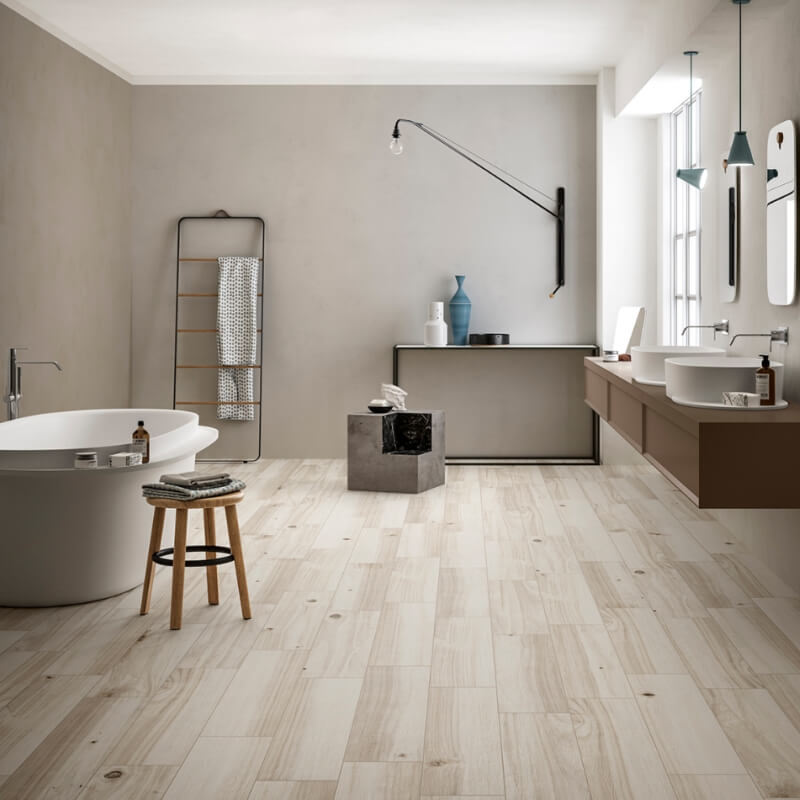
Bathrooms have become one of my favorite spaces for wood look tile because of the moisture resistance that traditional hardwood simply cannot provide. I love using lighter, weathered wood styles in master bathrooms to create spa-like retreats, while darker tones work beautifully in powder rooms for dramatic effect. The key is selecting porcelain varieties with proper slip resistance ratings for safety in wet conditions.
Kitchens present unique opportunities for wood look tile, especially in homes where pets and children create daily challenges for natural wood floors. I’ve installed these tiles successfully around islands and in breakfast nooks where the warm wood aesthetic complements natural wood cabinetry. The durability means I don’t worry about dropped pots, spilled wine, or muddy paw prints causing permanent damage.
Living areas and bedrooms benefit enormously from the cozy atmosphere that wood look tile provides while offering superior durability for high-traffic situations. I particularly enjoy using these tiles in family rooms where the realistic appearance creates warmth without the maintenance concerns of real wood. The sound-dampening qualities of porcelain also make these tiles excellent choices for second-floor installations where noise reduction matters.
Maintenance and Longevity Benefits
One of my favorite aspects of recommending wood look tile is discussing the maintenance advantages with clients who’ve struggled with traditional hardwood floors. Unlike natural wood, these tiles won’t warp, cup, or gap with humidity changes, making them perfect for basements, bathrooms, and homes in humid climates. I’ve seen these floors maintain their appearance beautifully for decades with minimal care.
Regular maintenance involves simple sweeping and occasional mopping with standard tile cleaners, a refreshing change from the specialized products and refinishing schedules required for hardwood. I always explain to clients that they’ll never need to worry about scratches from pet claws, furniture legs, or high heels, issues that plague natural wood floors. The surface hardness of porcelain means these floors can handle whatever family life throws at them.
The long-term cost benefits often surprise my clients when we calculate the total cost of ownership. While the initial investment might be comparable to quality hardwood, the elimination of refinishing costs, repairs, and early replacement makes wood look tile incredibly economical over time. I’ve tracked installations from fifteen years ago that still look as good as the day they were installed, proving the wisdom of this flooring choice.
Design Tips for Maximum Impact
I always encourage clients to consider the grout color carefully, as it can make or break the wood floor illusion. I typically recommend grout colors that closely match the tile for a seamless appearance, though sometimes a slightly contrasting grout can add interesting definition to the plank lines. The grout line width should be minimal, usually 1/8 inch or less, to maintain the authentic wood floor look.
Lighting plays a crucial role in showcasing wood look tile effectively, and I spend considerable time planning lighting schemes during the design process. Natural light brings out the subtle color variations and grain patterns that make these tiles so convincing, while strategically placed accent lighting can highlight texture and create ambiance. I often recommend adjustable LED fixtures that allow homeowners to modify the lighting mood throughout the day.
The transition between different flooring materials requires careful planning to maintain visual flow throughout the home. I use matching or complementary transition strips where wood look tile meets carpet or other hard surfaces, and I pay special attention to doorway transitions to ensure smooth, attractive connections. The goal is creating a cohesive design that feels intentional and professionally executed throughout the entire living space.

How do I distinguish high-quality wood look tile from cheaper alternatives?
Look for tiles with multiple color variations within each piece, realistic grain textures, and subtle surface irregularities that mimic natural wood. High-quality tiles will have consistent sizing, straight edges, and deep, varied color penetration rather than surface-only printing. Check the manufacturer’s reputation and warranty coverage as indicators of quality.
Can wood look tile be installed over existing floors?
In many cases, yes, but it depends on the existing flooring condition and height restrictions. The subfloor must be level, stable, and properly prepared. I always recommend having a professional assess whether your existing floor can support tile installation or if removal is necessary for best results.

What’s the best way to clean and maintain wood look tile floors?
Regular sweeping or vacuuming removes debris, while damp mopping with mild tile cleaner keeps them looking fresh. Avoid wax-based products or cleaners designed for natural wood, as these can leave residue. For deep cleaning, I recommend periodic professional cleaning to maintain the grout and restore the original luster.
How does wood look tile perform in high-moisture areas like basements?
Porcelain wood look tile excels in moisture-prone areas where natural wood would fail. It won’t absorb water, warp, or support mold growth. Proper installation with appropriate moisture barriers and drainage considerations makes these tiles ideal for basements, bathrooms, and other challenging environments.

Can I install wood look tile myself, or should I hire professionals?
While DIY installation is possible for experienced do-it-yourselfers, I strongly recommend professional installation for best results. Proper substrate preparation, precise cutting, and achieving straight lines requires expertise and specialized tools. Professional installation also ensures warranty coverage and optimal performance.
How do I choose the right size wood look tile for my space?
Consider your room size and desired aesthetic. Longer planks create more authentic wood appearance and work well in larger spaces, while shorter planks suit smaller rooms. Generally, I recommend planks at least 24 inches long and 6-8 inches wide for most applications, with larger formats for dramatic contemporary looks.
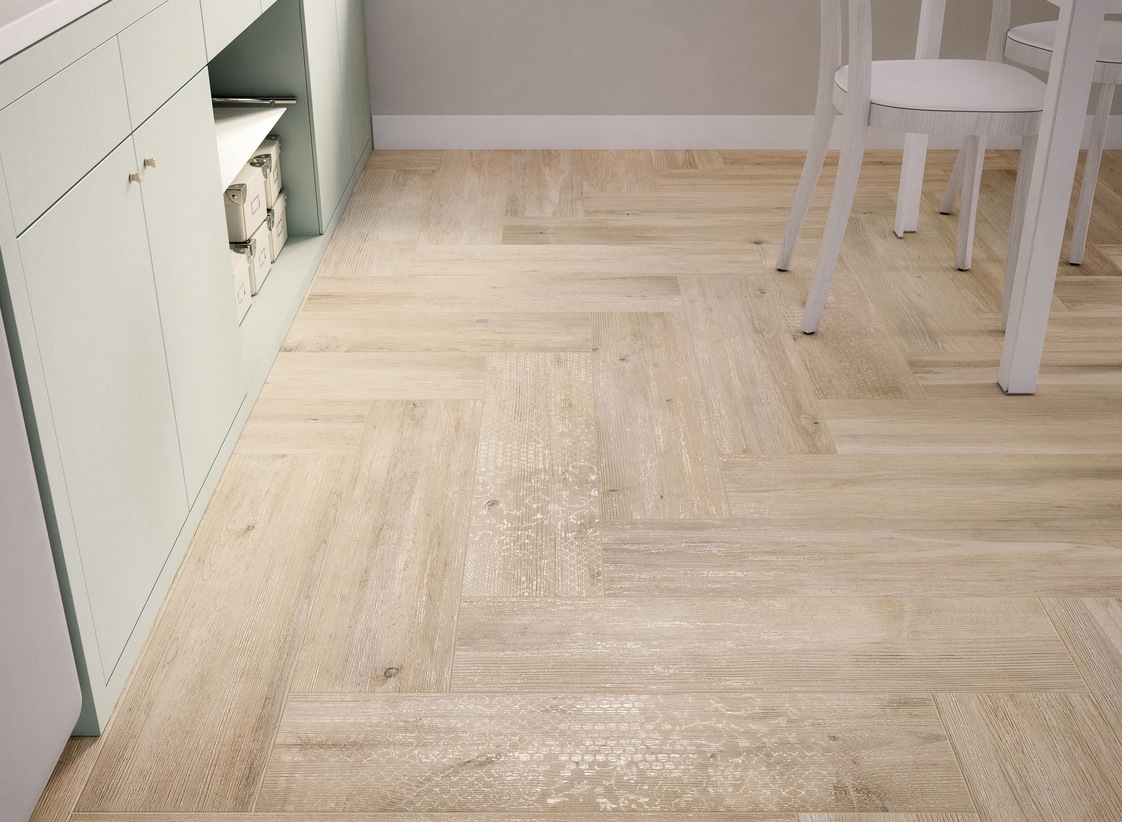
Wood Look Tile Floor & Decor
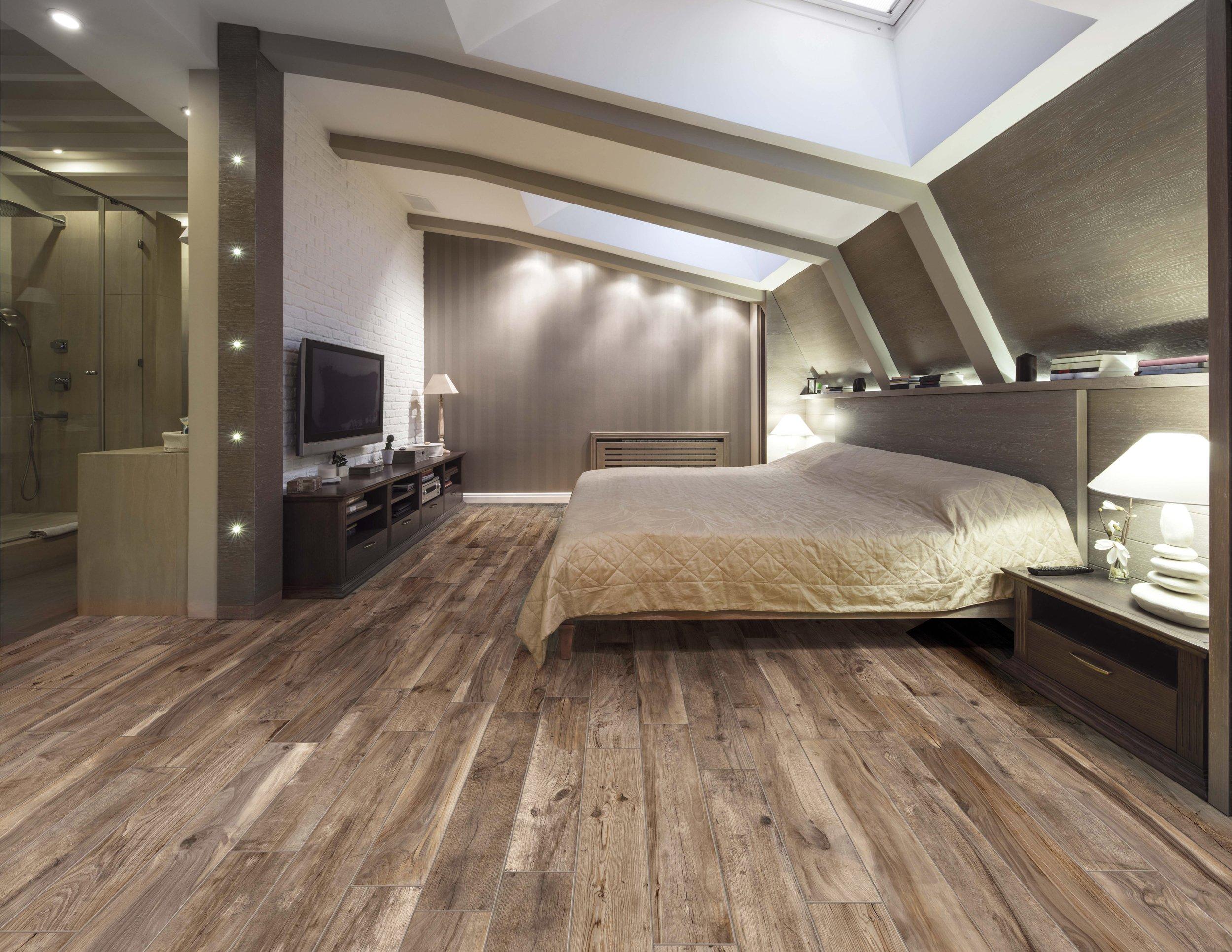
Wood Look Tile Flooring (Design Ideas) – Designing Idea
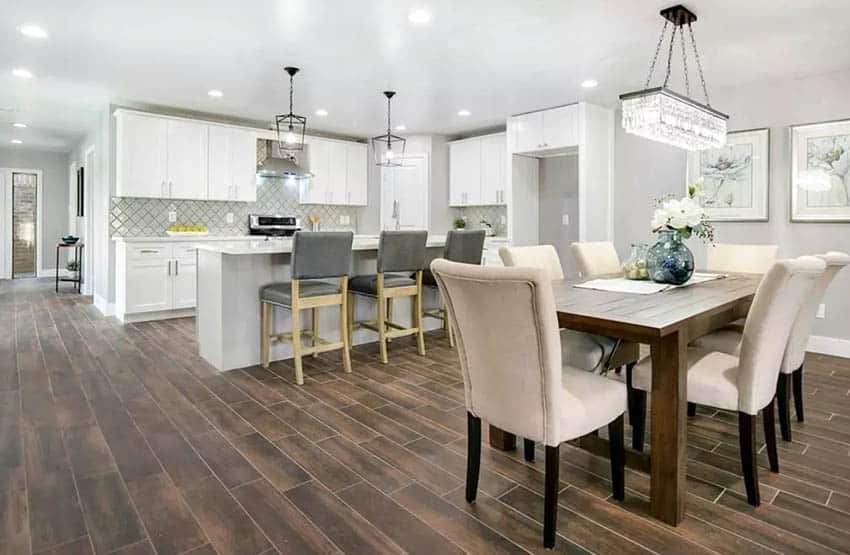
Wood Look Tile Floor ideas wood look tile, wood look tile

Tile Wood-look Flooring Ideas
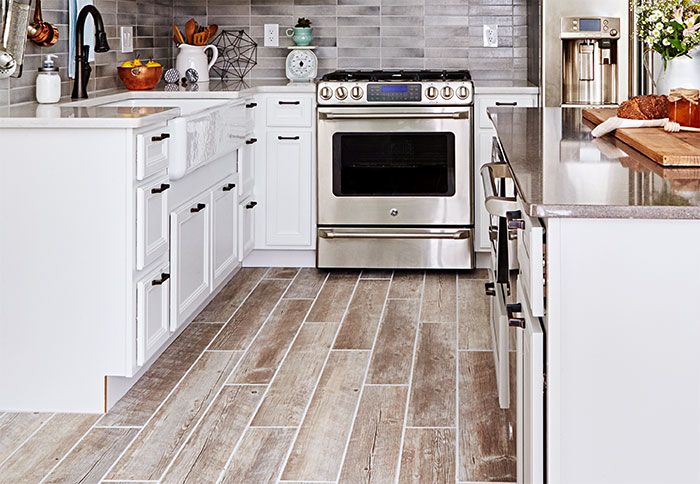
Tips for Achieving Realistic Faux Wood Tile
Related articles: