Tile Floor Heating Options
A Guide to Warmth and Comfort
Tile floors are a popular choice due to their durability, adaptability, and timeless aesthetic. However, they can be cold underfoot, particularly in the winter. Tile floor heating systems provide warmth and comfort while retaining the aesthetic features of tile. This post will go over the many types of tile floor heating alternatives, their benefits, installation considerations, and maintenance suggestions to help you make an informed selection.
Types of Tile Floor Heating Systems
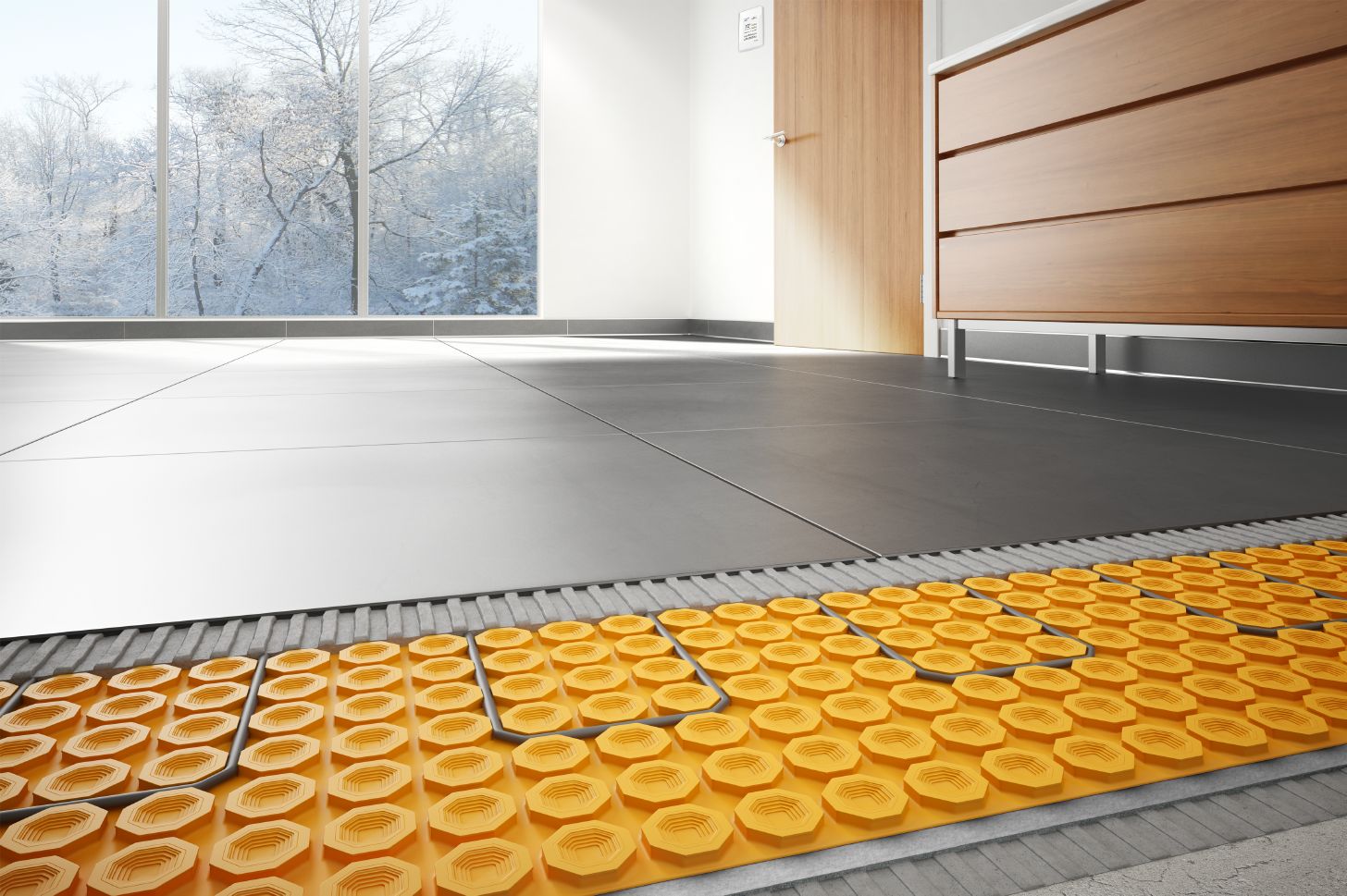
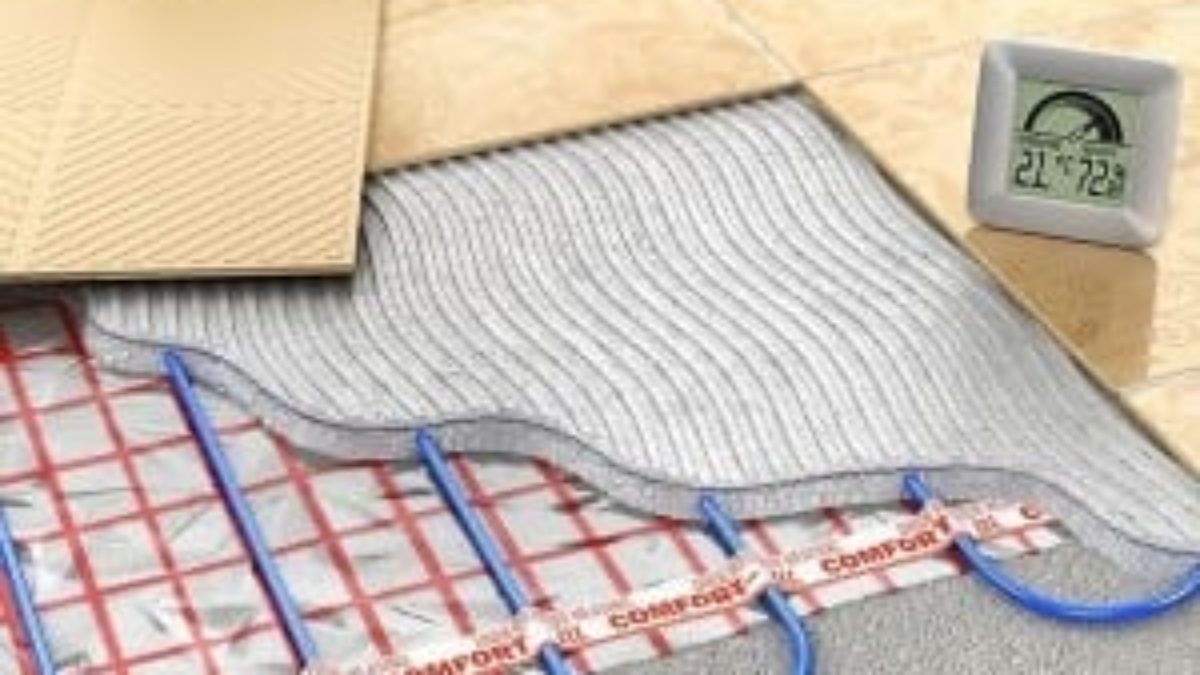
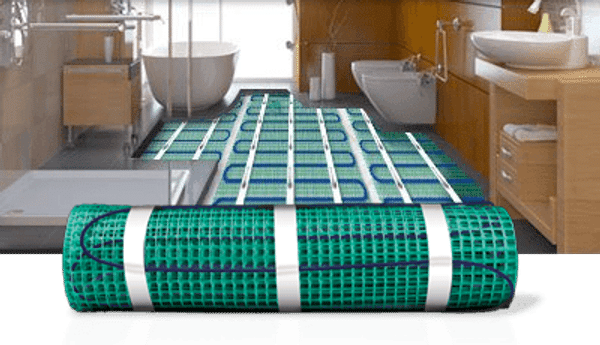
Electric radiant floor heating is one of the most popular choices for tile flooring. This technique generates heat by installing electric cables or mats beneath the tile. The cables or mats are connected to a thermostat, which allows you to precisely control the temperature. Electric systems are generally simple to install, particularly in small spaces such as bathrooms or kitchens.
Another popular alternative is hydronic radiant floor heating, which is especially useful for bigger spaces. This system circulates warm water through a network of pipes laid beneath the tile. Water is heated by a boiler or water heater and dispersed uniformly across the floor. Hydronic systems are very efficient and may be integrated into existing heating systems, making them an affordable option for whole-house heating.
Electric floor heating mats are a practical and user-friendly choice for DIY enthusiasts. These mats are pre-spaced with heating cables attached to a mesh backing, making them simple to roll out and install. They are perfect for retrofitting existing tile floors or installing heating in specified locations. Electric mats are also suitable for most varieties of tile, such as ceramic, porcelain, and stone.
Loose cable systems provide greater flexibility for unique layouts and strangely shaped rooms. These systems are made up of individual heating cables that can be placed and adjusted to suit the dimensions of your room. While more difficult to install than matting, loose cable systems offer greater control over heat distribution and are appropriate for complex floor plans.
Infrared floor heating is a more recent method that employs radiant panels set beneath the tile to emit infrared heat. This method heats items and people directly, rather than the air, resulting in a more comfortable and energy-efficient atmosphere. Infrared heating is especially useful in rooms with high ceilings or huge windows, where typical heating systems may struggle to provide continuous warmth.

Advantages of Tile Floor Heating
One of the key advantages of tile floor heating is the added comfort it offers. Walking on a heated tile floor is a wonderful feeling, particularly in the colder months. Radiant heat alleviates the discomfort of cold floors and produces a warm mood throughout the area.
Tile floor heating systems are also energy efficient. Unlike forced-air systems, which lose heat through ducts, radiant heating distributes heat directly to the floor and surrounding items. This lowers energy waste and may lower your heating expenditures. Furthermore, many systems are compatible with programmable thermostats, allowing you to maximize energy efficiency.
Another advantage is the even distribution of heat. Radiant floor heating removes hot and cold patches, resulting in continuous warmth throughout the floor. This is especially useful in larger rooms or open-concept settings, where traditional heating systems may struggle to keep temperatures uniform.
Tile floor heating systems are discrete and space-saving. Radiant heating is put beneath the floor, as opposed to radiators or baseboard heaters, which require wall space. This enables more versatile furniture placement and a cleaner, more streamlined appearance.
Finally, tile floor heating can help enhance indoor air quality. Unlike forced-air systems, which can circulate dust and pollen, radiant heating does not require air movement. This makes it a better choice for people who have allergies or respiratory issues.
Installation Considerations for Tile Floor Heating
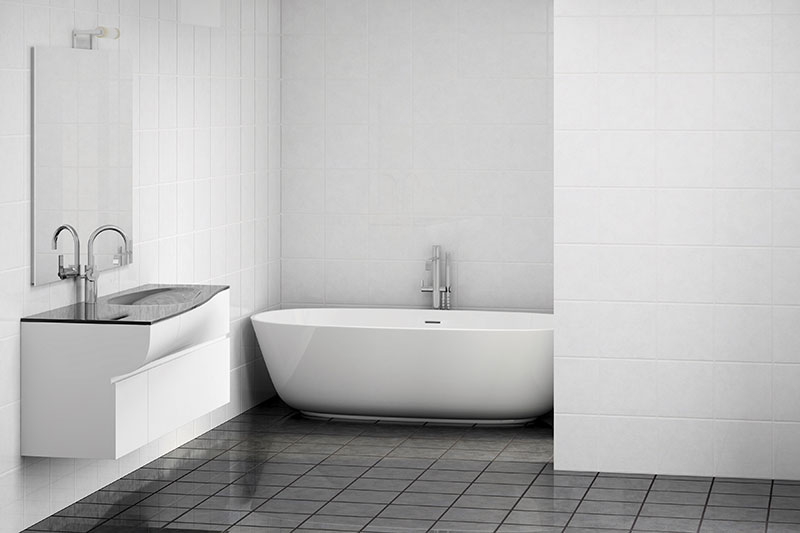
Before you install a tile floor heating system, evaluate your space and heating requirements. Consider the room’s size, the tile type you intend to employ, and your budget. Electric systems are typically easier and less expensive to install, although hydronic systems provide greater efficiency for bigger areas.
Proper subfloor preparation is critical to a successful installation. Ensure the subfloor is clean, level, and debris-free. Any irregularities can have an impact on the heating system’s function as well as the tile floor’s durability. To get a smooth surface, use a leveling compound as needed.
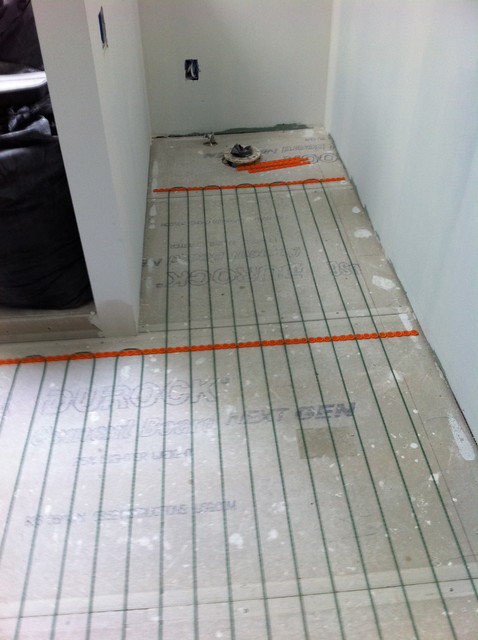
When installing electric heating mats or cables, carefully follow the manufacturer’s instructions. Lay out the mats or wires equally, making sure they cover the entire floor space. To secure the heating elements, apply a thin-set mortar and let it dry completely before placing the tile.
For hydronic systems, have a professional design and install the piping network. Proper insulation is critical for increasing efficiency and preventing heat loss. The pipes should be routed in a serpentine form to ensure even heat distribution. Once the system is in place, check for leaks before beginning tile installation.
After the heating system has been installed, apply a layer of thin-set mortar and lay the tile as normal. Use a notched trowel to properly distribute the mortar and firmly press the tiles into place. Allow the mortar to fully set before grouting and operating the heating system.

Maintenance Tips for Tile Floor Heating
Regular maintenance is critical to extending the life and performance of your tile floor heating system. Sweeping or vacuuming the floor on a regular basis will help eliminate dirt and debris. To clean the surface, use a damp mop or cloth and a mild cleaner, avoiding harsh chemicals that can damage the tile or heating elements.
Check the thermostat on a regular basis to ensure it is in good working order. If you detect any problems with heat distribution or temperature management, contact a professional to diagnose and resolve the issue. Early detection can help to save money on future repairs.
Annual maintenance for hydronic systems should include an inspection of the boiler, pipes, and pump. Check for evidence of leaks, corrosion, or wear and tear. Flushing and refilling the water can assist keep the system running smoothly and avoid pipe buildup.
If you have a power outage or an electrical problem, first reset the thermostat and check the circuit breaker before thinking the heating system is broken. Many systems include built-in safety features that may temporarily turn off the heat to prevent damage.
Finally, use area rugs or mats in high-traffic areas to protect the tile and heating elements from excessive wear. Avoid placing heavy furniture directly on the heated floor, as this might compress the heating cables or pipes, reducing their efficiency.

Warm Up Your Bathroom With Heated Floors
The Pros and Cons of Heated Bathroom Floors
In-Floor Heating: Is It Worth It? Home Matters AHS

Radiant Warm Tile Under Floor Heating System 260-300 sq.ft. (24

heated travertine floor Floor heating systems, Bathroom flooring

Electric Floor Heating Radiant Heated Floors WarmlyYours
How to Install In-Floor Radiant Heat

Related articles: