Having dealt with my fair share of flooring issues over the years, the idea of a truly waterproof solution has always been appealing. That’s what drew me to explore epoxy flooring, particularly its remarkable ability to resist water damage. Let me share what I’ve come to understand about this resilient flooring option.
The Seamless Waterproof Barrier
What first caught my attention about epoxy flooring is its seamless nature. Unlike tiled or plank flooring with grout lines or seams where water can seep through, a properly installed epoxy floor creates a continuous, impermeable surface. This lack of seams is a significant advantage in areas prone to moisture, like bathrooms, kitchens, laundry rooms, and even basements. I’ve seen firsthand how water can find its way into the smallest gaps, leading to mold growth, structural damage, and unpleasant odors. The seamless barrier of epoxy effectively eliminates these vulnerabilities.
The composition of epoxy contributes significantly to its waterproof properties. Epoxy is a thermosetting polymer that, when properly mixed and cured, forms a hard, durable, and chemically resistant surface. This cured resin is inherently non-porous, meaning water cannot penetrate its structure. This is a stark contrast to more porous materials like concrete or wood, which can absorb moisture and become susceptible to water damage over time. I appreciate the peace of mind that comes with knowing the floor beneath my feet isn’t silently absorbing water from spills or humidity.
Beyond just repelling surface water, a well-applied epoxy system can also act as a barrier against moisture vapor transmission from the subfloor. This is particularly important in basements or on concrete slabs that can experience dampness from the ground. By sealing the surface, epoxy helps to prevent this moisture from rising and affecting the flooring or the air quality in the room. This comprehensive waterproofing capability is a key reason why epoxy has become a popular choice in both residential and commercial settings where water resistance is paramount.

Applications Where Waterproofing Matters
Thinking about where waterproof flooring truly shines, several areas in a home immediately come to mind. Bathrooms, with their frequent exposure to splashes and humidity, are prime candidates. I remember the headaches of dealing with water damage around the toilet and shower in my old bathroom – something I wouldn’t wish on anyone. Epoxy flooring offers a sleek and easily cleanable surface that can handle these conditions without issue. Similarly, kitchens, where spills are almost inevitable, benefit greatly from a waterproof floor that won’t warp or stain from moisture.
Laundry rooms are another area where the risk of water leaks from washing machines or sinks is significant. A waterproof epoxy floor can provide a protective layer, preventing damage to the subfloor and making cleanup much easier. Even basements, which can be prone to dampness or even minor flooding, can be made more usable and less susceptible to mold and mildew with a waterproof epoxy coating. I’ve considered epoxy for my basement precisely for this reason, as it offers a durable and moisture-resistant solution.
Beyond these common household areas, the waterproof nature of epoxy also makes it ideal for certain commercial and industrial applications. Think about food processing plants, hospitals, or chemical storage facilities where hygiene and the prevention of waterborne contaminants are critical. The seamless and non-porous surface of epoxy allows for easy cleaning and disinfection, contributing to a safer and healthier environment. It’s fascinating to see how this practical benefit extends across such a wide range of needs.
Durability and Longevity Alongside Waterproofing
While the waterproof aspect of epoxy flooring is a major draw, its impressive durability is another significant advantage. The cured epoxy resin forms a very hard and abrasion-resistant surface, capable of withstanding heavy foot traffic, impacts, and even some chemical spills. This robustness means that an epoxy floor not only protects against water damage but also holds up well to the everyday wear and tear of a busy household or a demanding commercial environment. I appreciate flooring options that don’t require constant babying.
The longevity of epoxy flooring is closely linked to its durability and waterproof properties. By preventing water from seeping into the subfloor and causing structural issues, epoxy helps to extend the life of the entire flooring system. When properly installed and maintained, an epoxy floor can last for many years, often outperforming other types of flooring in high-moisture or high-traffic areas. This long lifespan can translate to significant cost savings over time, as replacement or extensive repairs become less frequent.
I’ve learned that the specific formulation and application of the epoxy can influence its overall performance. Different types of epoxy resins are available, each with varying levels of chemical resistance, flexibility, and abrasion resistance. Choosing the right type for the intended application is crucial for maximizing both its waterproof capabilities and its long-term durability. A professional installation ensures that the epoxy is properly mixed, applied, and cured, which is essential for achieving a seamless and long-lasting waterproof barrier.
Aesthetic Options in Waterproof Epoxy
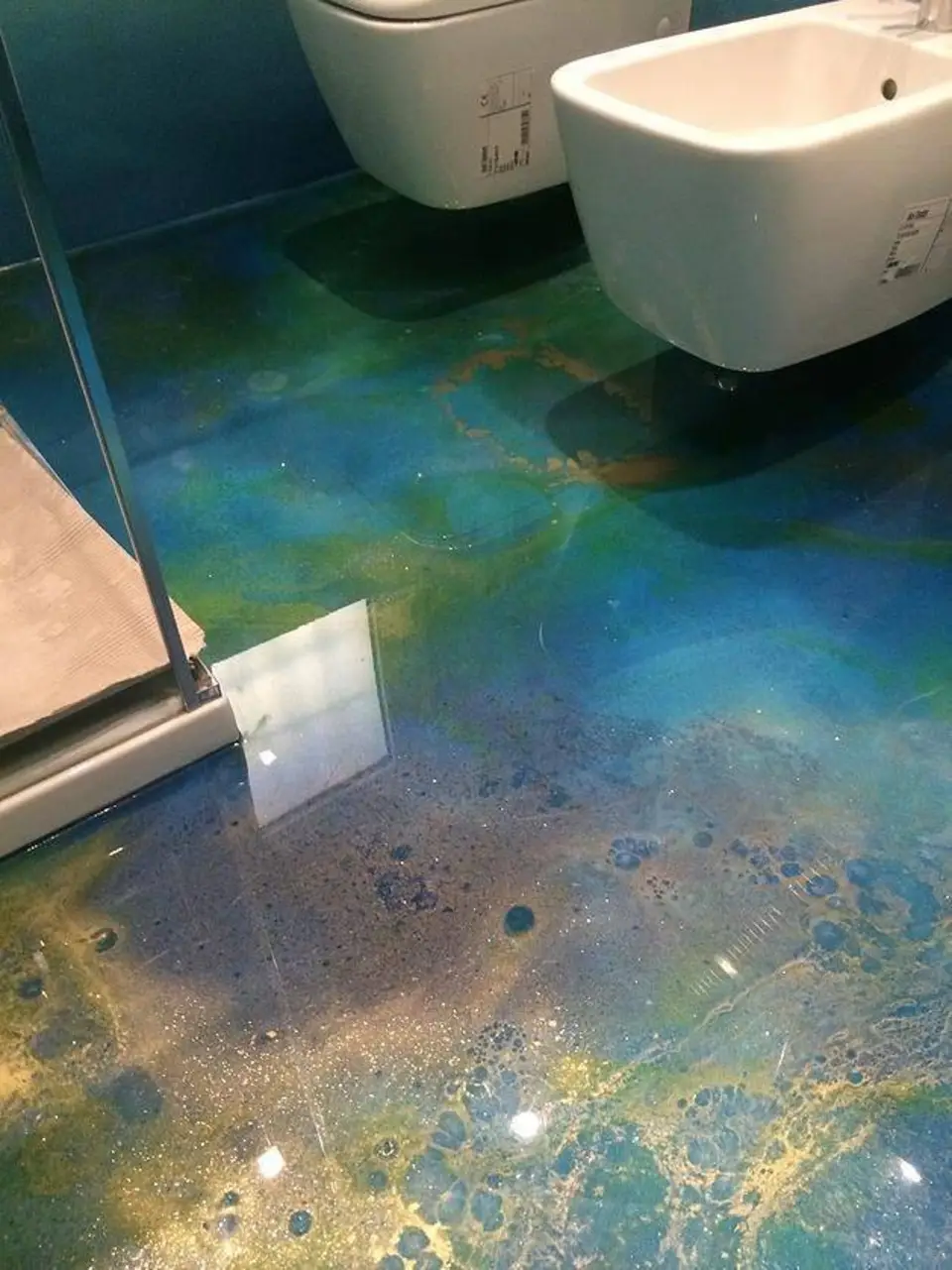
My initial perception of epoxy flooring was that it was purely functional, perhaps with limited aesthetic appeal. However, I was pleasantly surprised to discover the wide range of decorative options available today. Epoxy can be tinted in virtually any color, and various techniques can be used to create different patterns, textures, and even metallic or glitter effects. This allows for a waterproof floor that not only performs well but also looks great and complements the overall design of a space.
One popular decorative technique involves adding colored flakes or quartz aggregates to the epoxy before it cures. This creates a terrazzo-like appearance with added texture and slip resistance – a practical and attractive option for garages or commercial spaces. Another technique involves creating self-leveling epoxy floors with a high-gloss finish, which can give a modern and sleek look to residential or retail environments. I’ve seen some stunning examples of epoxy floors that look more like art than just a functional surface.
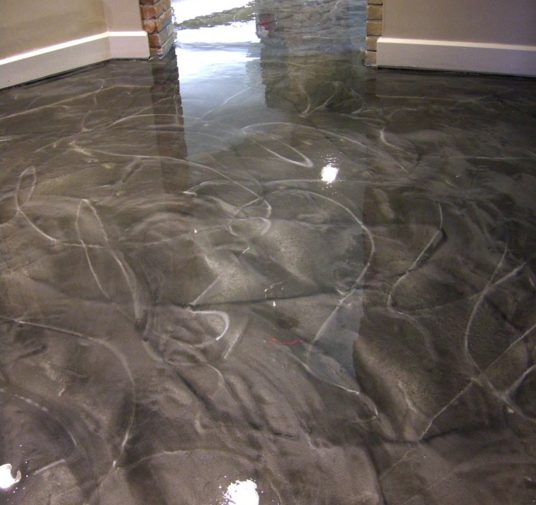
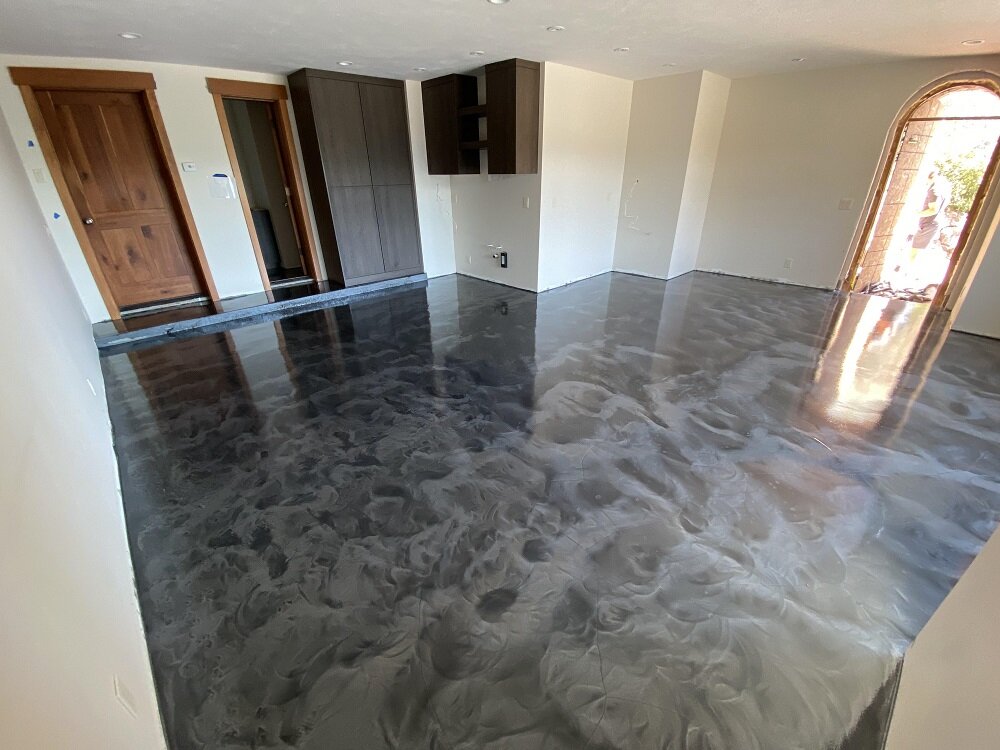
For those seeking a truly unique look, metallic epoxy coatings can create a swirling, three-dimensional effect that adds depth and visual interest. These finishes are particularly striking in showrooms or entertainment venues. The versatility of epoxy in terms of color, texture, and decorative effects means that achieving a waterproof floor doesn’t have to come at the expense of style. I appreciate having the option to combine practicality with personalized aesthetics.
Installation Considerations for Waterproofing
Proper installation is paramount to ensuring the waterproof integrity of an epoxy floor. The subfloor must be clean, dry, and properly prepared before the epoxy is applied. Any cracks or imperfections in the concrete subfloor, for example, need to be repaired to prevent moisture from wicking through later. I understand that thorough surface preparation is a non-negotiable step for a successful and waterproof epoxy application.
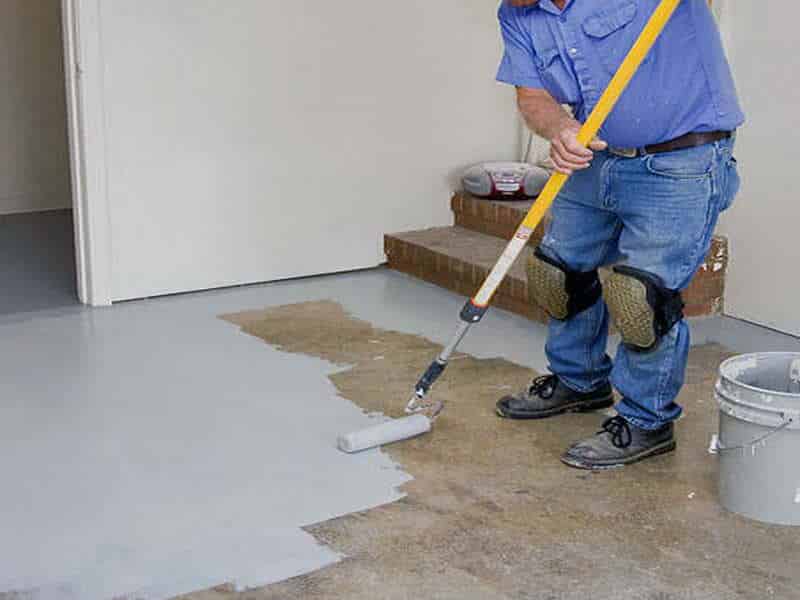
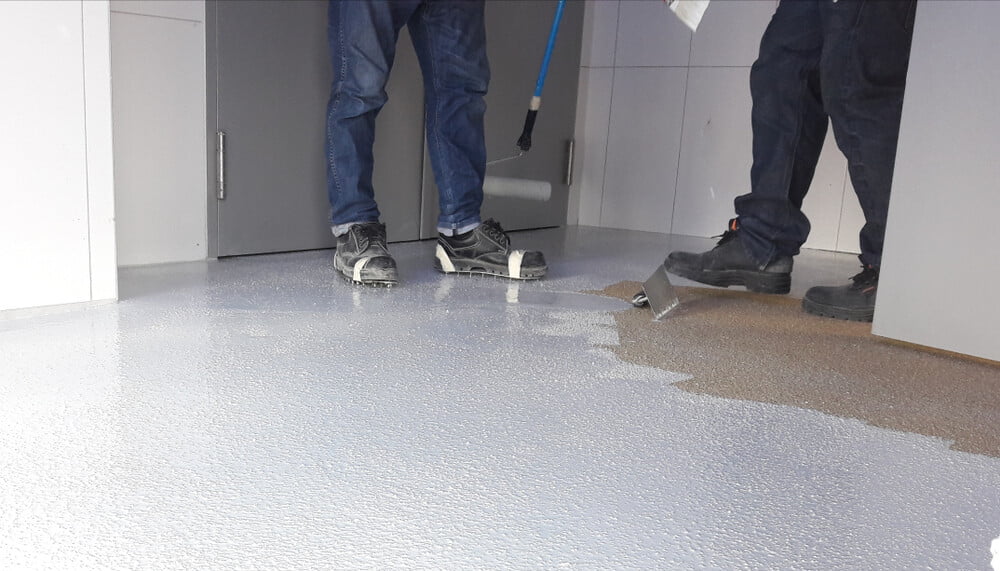
The application process typically involves mixing a two-part epoxy resin and hardener according to the manufacturer’s instructions. Precise mixing ratios are crucial for the proper curing and performance of the epoxy. The mixture is then spread evenly over the prepared subfloor using specialized tools. For larger areas, self-leveling epoxy formulations can help to create a smooth and seamless surface. Multiple coats may be necessary depending on the desired thickness and durability.
Curing time is another important factor. The epoxy needs sufficient time to harden completely before the floor can be subjected to foot traffic or moisture. Rushing this process can compromise the integrity and waterproofness of the final result. While DIY epoxy kits are available, for critical applications where guaranteed waterproofing is essential, professional installation is often recommended. Experienced installers have the knowledge and equipment to ensure proper surface preparation, mixing, and application for a long-lasting and truly waterproof epoxy floor.

Maintaining a Waterproof Epoxy Surface
Once installed, maintaining a waterproof epoxy floor is generally quite simple. Its seamless and non-porous surface makes it easy to clean with regular sweeping or mopping. Unlike tile floors with grout lines that can trap dirt and moisture, epoxy floors can be wiped clean with minimal effort. I appreciate low-maintenance flooring options that save time and effort in the long run.
For more stubborn spills or stains, a mild detergent diluted in water is usually sufficient. Harsh chemicals or abrasive cleaners should be avoided as they can potentially damage the epoxy finish over time. Regular inspection for any signs of damage, such as cracks or chips, is also a good practice. Addressing any minor issues promptly can help to maintain the waterproof barrier and prevent more significant problems down the line.
While epoxy is durable, it’s not entirely impervious to scratches from sharp objects or heavy dragging. Using protective mats in high-traffic areas and under furniture can help to minimize wear and tear and prolong the life of the floor’s waterproof properties. Overall, the maintenance requirements for a waterproof epoxy floor are relatively low, making it a practical choice for busy households and commercial spaces alike.
Can epoxy flooring truly be considered 100% waterproof in all situations?
When properly installed over a prepared subfloor, epoxy flooring creates a seamless and non-porous surface that is highly resistant to water penetration, making it effectively waterproof for most common scenarios, including spills, splashes, and even standing water for reasonable periods. However, extreme hydrostatic pressure from below the slab or significant structural damage that compromises the epoxy layer could potentially allow moisture intrusion over extended periods. For typical residential and commercial use, a well-applied epoxy system offers excellent waterproof protection.
Is epoxy flooring slippery when wet, and are there ways to improve traction for safety?
Smooth, high-gloss epoxy finishes can become slippery when wet. However, various additives can be incorporated into the epoxy during installation to enhance traction. These include textured aggregates like sand, quartz, or aluminum oxide, which create a non-slip surface. The level of texture can be adjusted based on the specific needs of the area, making epoxy a safe option even in potentially wet environments like bathrooms, kitchens, or pool decks. I would definitely consider adding a non-slip additive if I were installing epoxy in a moisture-prone area.
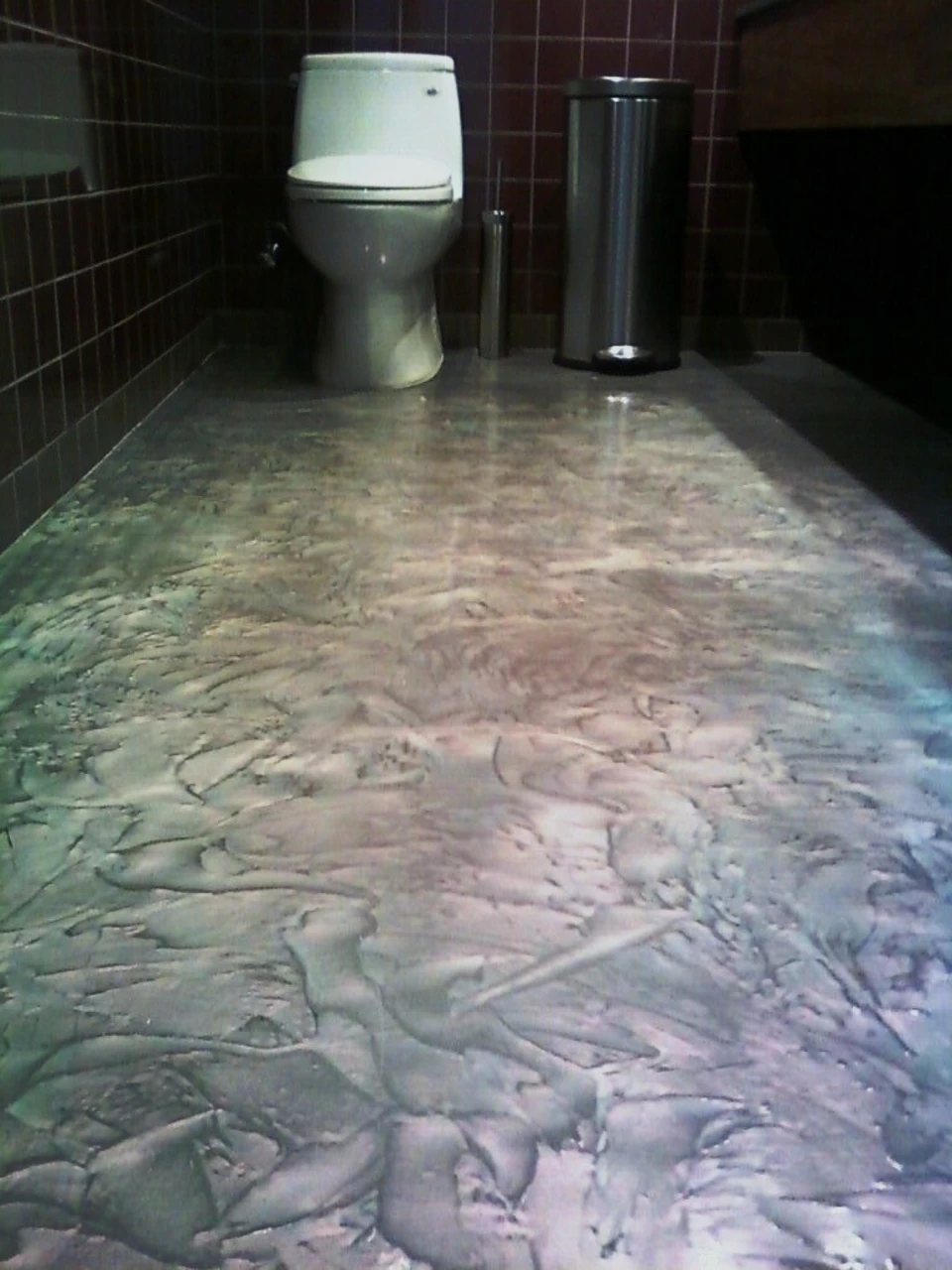
How does the cost of waterproof epoxy flooring compare to other waterproof flooring options like vinyl or tile?
The initial cost of epoxy flooring can vary depending on factors such as the size of the area, the complexity of the design, and the need for subfloor preparation. In some cases, it might be comparable to mid-range tile or high-quality vinyl installations. However, considering the long-term durability, low maintenance, and seamless waterproof protection that epoxy offers, it can be a cost-effective solution over time, potentially outlasting other flooring types and reducing the need for replacements or repairs due to water damage.
Can existing flooring like tile or linoleum be covered with epoxy to make it waterproof?
In some instances, epoxy can be applied over existing flooring like tile or well-bonded linoleum, provided the surface is properly prepared – clean, dry, and free of loose material. However, the underlying floor’s integrity is still a factor. If there are existing moisture issues coming from beneath the old flooring, simply applying epoxy on top might not solve the root problem and could even trap moisture. A thorough assessment of the existing floor and subfloor conditions is crucial before attempting to apply epoxy over it for waterproofing purposes.

Are there any specific types of epoxy coatings that offer better waterproof performance than others?
Different epoxy formulations offer varying levels of chemical and water resistance. For applications where consistent and prolonged exposure to moisture is expected, such as industrial kitchens or chemical processing plants, high-performance epoxy systems with specific chemical and water resistance properties are recommended. These often involve multiple layers and specialized resins designed for demanding environments. For typical residential use, standard epoxy floor coatings provide excellent waterproof protection when properly applied.
Can a DIY epoxy kit provide the same level of waterproof protection as a professional installation?
While DIY epoxy kits are available and can be suitable for certain applications, achieving the same level of seamless, long-lasting waterproof protection as a professional installation can be challenging. Proper subfloor preparation, precise mixing of the epoxy components, and uniform application are critical for a truly waterproof result. Professional installers have the experience, tools, and expertise to ensure these steps are carried out correctly, minimizing the risk of future water-related issues. For guaranteed waterproofing, especially in high-moisture areas, professional installation is generally the more reliable option.
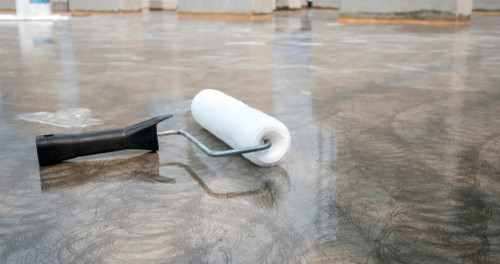
How to apply waterproof epoxy floor over concrete.
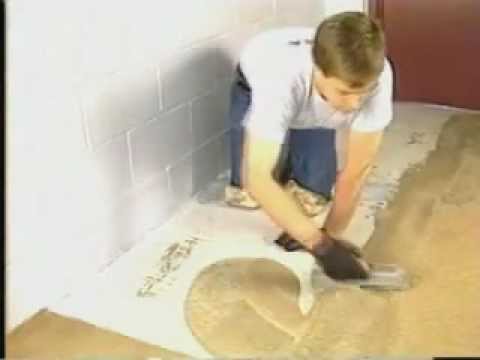
Lifetime Epoxy Utah – 3 Things You May Not Know About Epoxy Floor
Related articles: